
Roughly 241,000 Uber drivers in the European Union and the United Kingdom have brought a collective claim arguing that the company breaks the law when it sets pay and hands out jobs by automated decision-making, profiling included. The same claim says Uber used driver data to train AI models without a legal basis. The drivers want compensation and a ban on the practices they say violate GDPR. Uber says it has not yet seen the claim and categorically rejects the allegations.
The mechanism at the center of the case is an opaque algorithm that draws on data about each driver and assigns an individual rate to each trip. Drivers believe it searches for the lowest number a particular person will accept. The same job, they say, can be offered to different people at different prices. After a long trip, the system can pay less for the way back, on the apparent assumption that a driver will not want to drive home empty and will take what is offered.
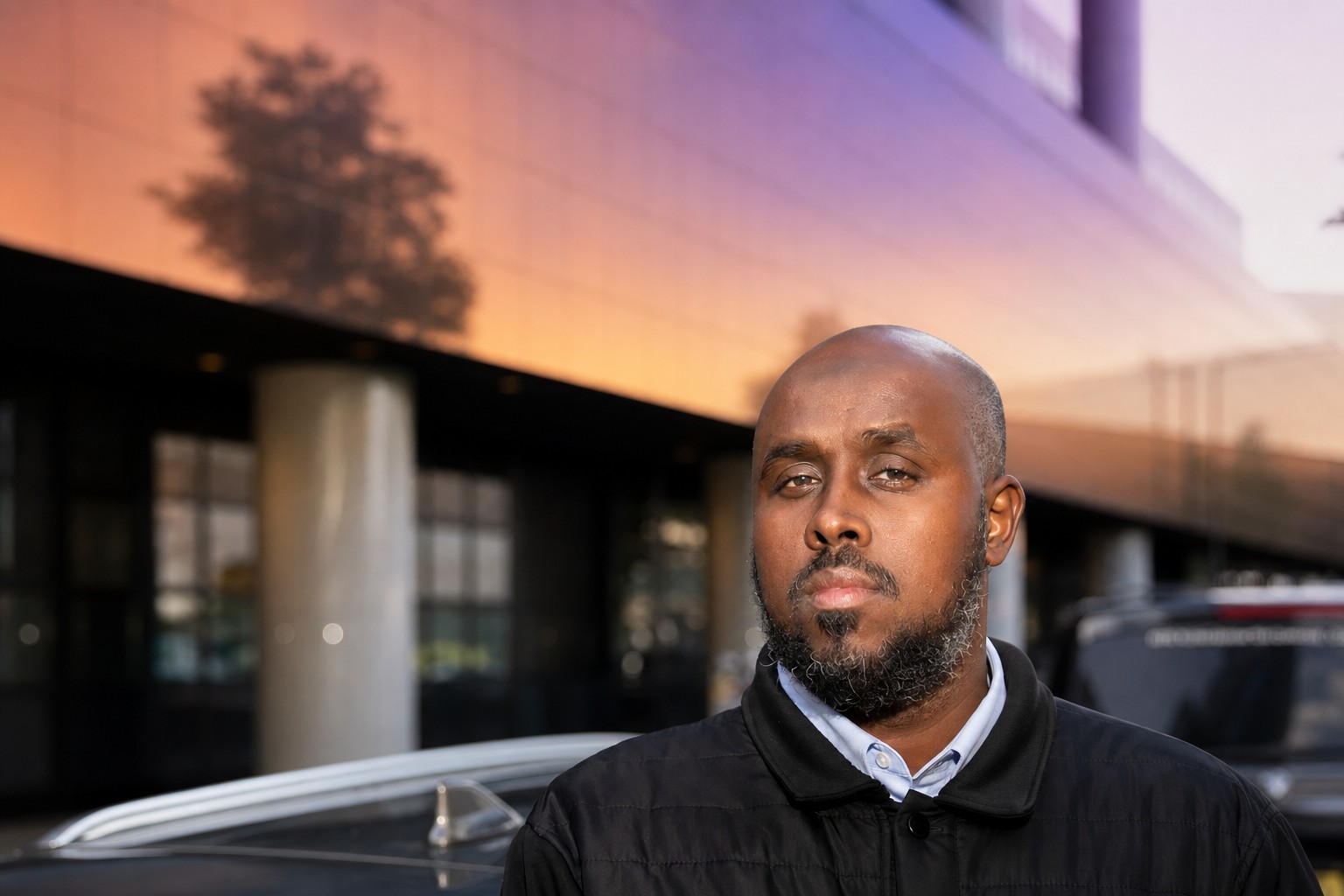
Mohamed Shirva, 41, who drives for Uber in Rotterdam, compares the algorithm to a manager who watches him constantly and knows where he is weak. In his account, the system learns what pay he will accept, sees that he needs the work, and lowers its offers from there, leaving him without a choice.
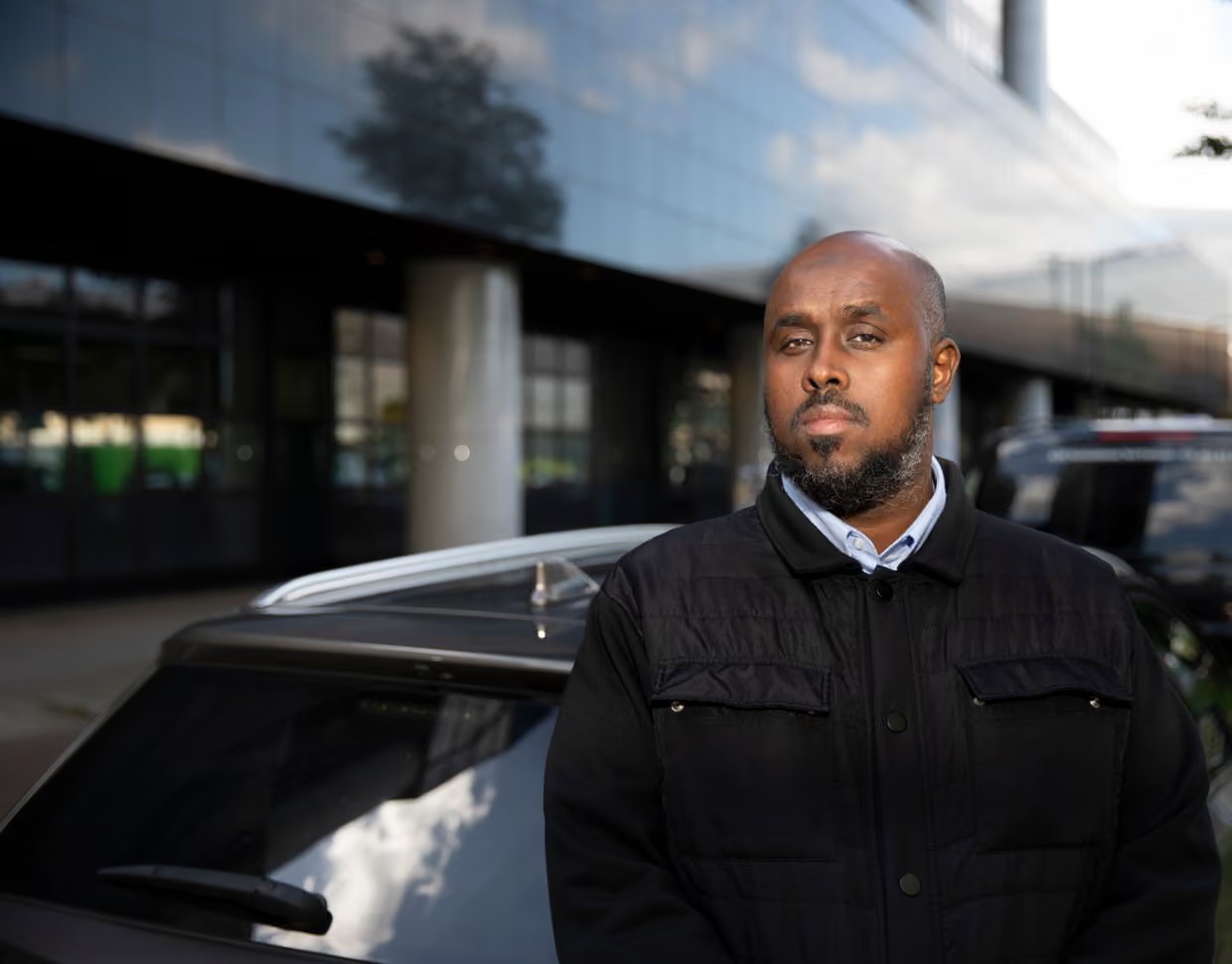
Mohamed Shirva, an Uber driver from Rotterdam, says Uber's pay mechanism exploits drivers' vulnerability
Source: theguardian.com
Kola Oba, 48, who calls the algorithm "soulless," was once resting in Tottenham, north London, alongside another driver when both were offered the same trip at the same moment. The other driver was offered £27. Oba was offered £23. Their guess was that the system had registered several cheap trips Oba had recently accepted and concluded he would take less. Uber has previously attributed discrepancies like this to GPS, surges in demand, promotions and testing.

Kola Oba from Tottenham, north London, says Uber uses the information it has collected about him to cut his fares
Source: theguardian.com
Oba's objection is not really about £4. It is that the company holds information about him and, in his view, uses it against his interests — the algorithm decides what he earns, how long his day is, how much time he has with his family and whether he can rest. AI systems are increasingly used to hand out work to people, reading a company's needs and its workers' behavior and then deciding, in the role of an artificial manager.
Uber denies that it varies pay according to an individual driver's behavior, and says a driver's history of accepted and rejected trips is not used to personalize offers. Its account of dynamic pricing is the mirror image of the drivers': the system raises pay on less attractive trips and lifts potential earnings. A spokesperson said the app calculates the cost of a trip in real time from the route, the duration and the destination, that drivers see estimated earnings and the direction of travel before they accept, that the overwhelming majority of revenue stays with drivers, and that the company's share of the fare has barely moved overall.
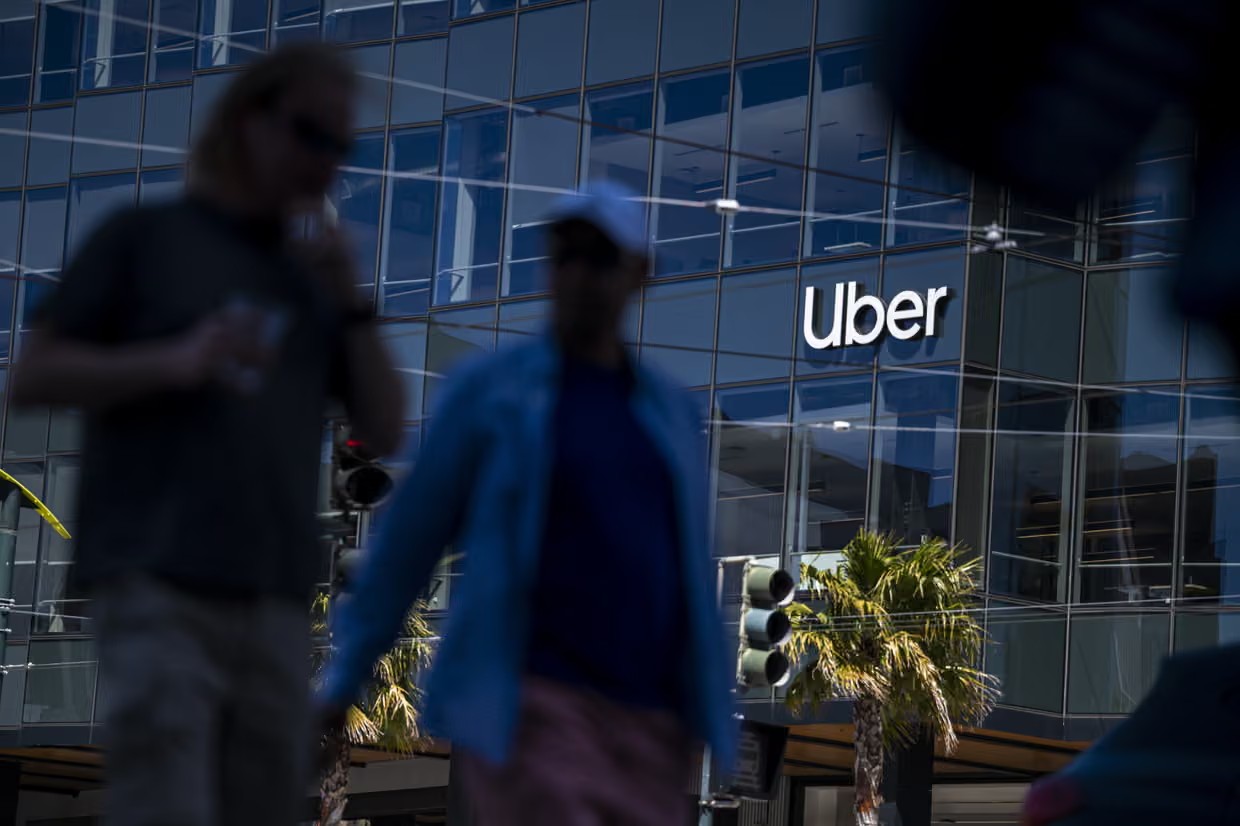
Uber, headquartered in San Francisco, said it categorically rejects the accusations
Source: theguardian.com
The denial is narrower than the accusation, and the defense answers a question nobody asked. Uber rejects one specific input — accept-and-reject history — while the claim is about individualized pricing built on driver data generally. And a take rate that is stable overall is perfectly compatible with fares that fall: the company's percentage can hold steady while the number it is a percentage of comes down. Uber's own chief executive, Dara Khosrowshahi, has said the company can match different trips to different drivers based on their preferences and behavioral patterns, which is not the same sentence as the denial but is close enough to be awkward beside it.
The drivers put a number on the gap. They say Uber has used dynamic pay in the UK for about three years and that annual earnings may have fallen by around £5,000 over that stretch; the Netherlands got the system much later. A study by Oxford University researchers found a substantial drop in driver earnings after the dynamic algorithm was introduced. Uber says its authors used incomplete and selectively chosen data.
The case is run by Worker Info Exchange, whose founder, James Farrar, previously won the UK Supreme Court ruling that made Uber drivers workers rather than contractors. That history matters for how this one is likely to be fought: the last fight was about what drivers are, this one is about what the software is allowed to do to them. Farrar argues that Uber's dynamic algorithms have cut driver pay for years, and that watching workers' behavior and trying to shape it strips them of dignity. Anton Ekker, the Dutch lawyer leading the case, argues that a computer algorithm should not be making decisions on its own that take away people's livelihoods, and that digital platforms must answer for exploiting the vulnerabilities of European citizens at scale.
Europe has already shown it will reach for data law rather than labor law here. The Dutch data protection regulator fined Uber €825 million (£708 million) a month before this claim was filed, for automatically deactivating driver accounts without adequate notice; Uber is appealing. Meanwhile the company is preparing to put driverless cars on the road in European cities from London to Zagreb, with human monitors watching the rides at first.
That is the shape of the tension. The remedy the drivers are asking for is not a higher fare — it is an obligation to explain and, in places, to stop deciding automatically at all. A pricing system that has to justify each individual offer is a different system from the one Uber is running, and a lot slower to change. And the driverless fleet arriving in the same cities is the version of the business where the question of what the algorithm knows about the driver stops arising, because there is no driver left to profile.