
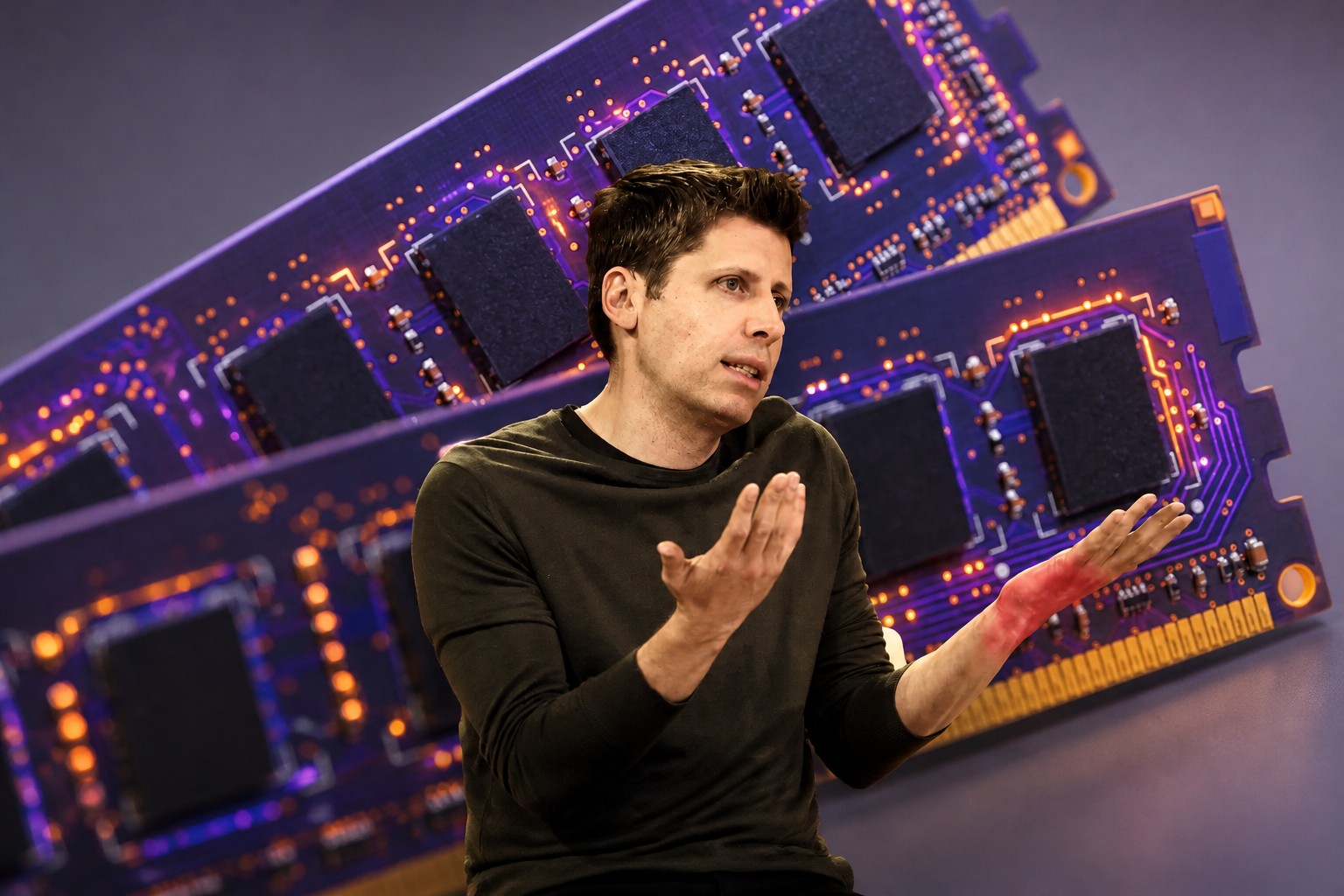
OpenAI CEO Sam Altman first criticized the idea of running AI models on home computers, saying RAM is used more efficiently in data centers. After a sharp backlash, especially from PC enthusiasts, he wrote on X that he wants people to be able to install as much memory in their computers as they need. The dispute comes amid a chip shortage, rising component prices and tensions over data center construction.
Sam Altman says people need more RAM
From data centers to home computers
In a recent podcast episode, Altman discussed how to allocate the world’s limited supply of dynamic RAM. In his view, it does not make sense for people to keep large amounts of RAM in personal computers if the same resources can be put to work in data centers. Some members of the public oppose these centers.
The remarks angered social media users, particularly PC enthusiasts. They are watching components become less affordable as demand from the AI industry grows.
Altman clarifies his position
On election night, Altman posted on X. He said he wants the world to have plenty of memory and for people to be able to install as much of it in their computers as they want. He said his remarks had been taken out of context and that he has long supported increasing memory production. In a reply to another user, Altman said he wants people to have plenty of RAM and urged manufacturers to produce more.
The source also links Altman’s original position to the industry’s interests: if people run AI models at home, demand for expensive cloud-service subscriptions could weaken.
Pressure on the industry
The debate over home computers is just one of Altman’s problems. Data centers have become a political risk for technology companies, with new construction moratoriums potentially on the horizon. That could make it even harder to increase chip supplies.
Chipmakers continue to operate amid a crisis. Last week, Intel suffered its largest one-day loss in market value since 1974. Experts warn that serious disruptions to chip supplies worldwide could continue for many years. According to the source, AI company executives, including Altman, are actively approaching overseas manufacturers in search of additional supply.
Two views of AI
The exchange reflects a difference between how industry leaders and some members of the public see AI. For the former, it is a technological revolution; a disillusioned public, especially PC enthusiasts frustrated by rising prices, sees it as a waste of resources. The source also points to the risk that tensions in financial markets could have serious consequences.
Dataist’s take: the dispute over RAM is about more than component prices; it also touches on how the AI market is structured. Home models compete with cloud services, while data center expansion puts further pressure on chip supplies. The source does not say when memory production might meet rising demand.
Daily AI news
Every day we pick what actually matters in AI and explain it plainly — no hype, no filler. Subscribe if you want to follow where the industry is going.
Only what matters — every day
Follow on X