
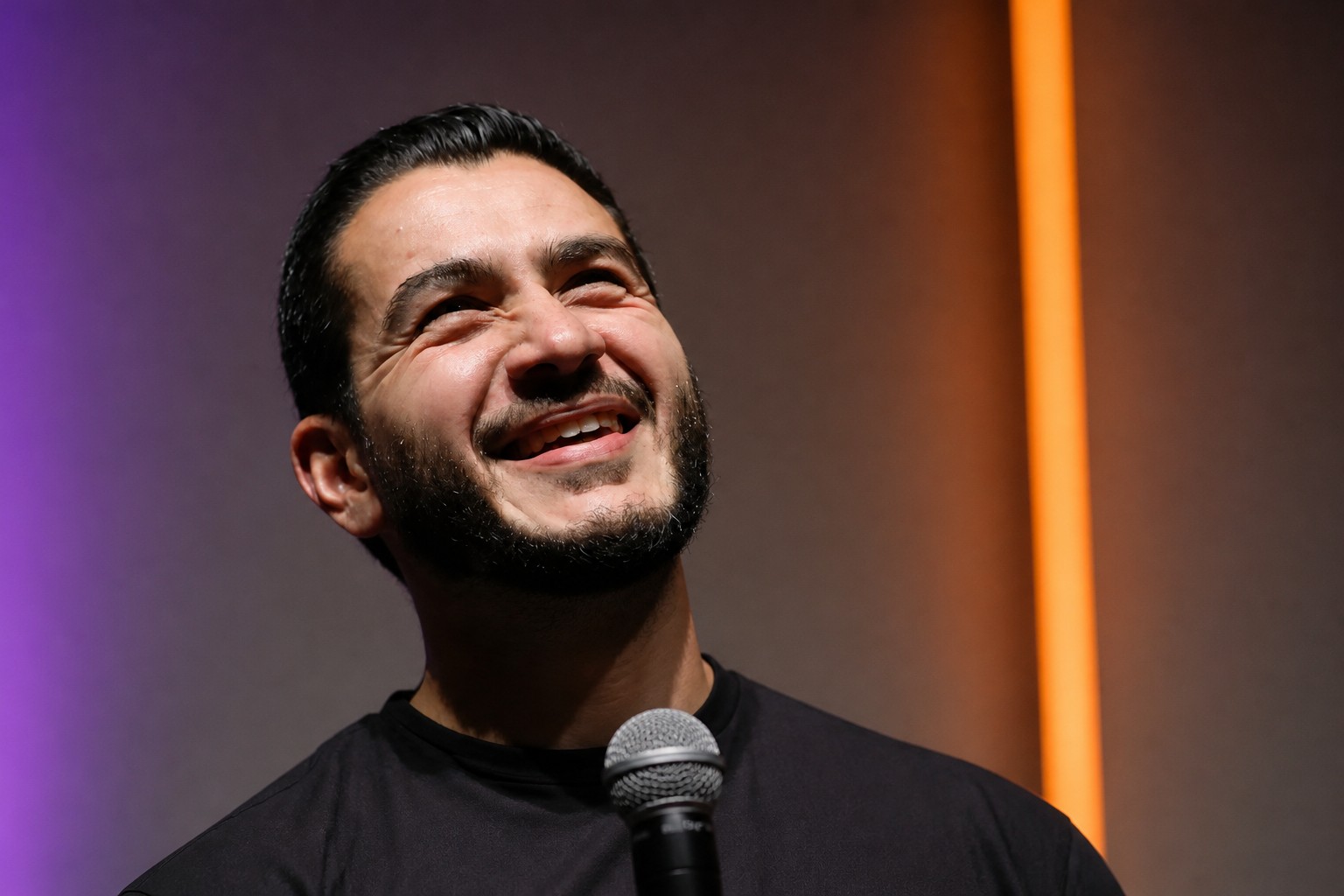
El-Sayed’s AI Under Democracy plan would force major technology companies to sell some investments in AI firms, regulate data-center construction and give the public a majority of seats on influential AI-company boards. The Michigan Democrat is making the case as AI regulation becomes a campaign issue ahead of the midterms. Its most consequential proposal is also its hardest sell: treating control of powerful AI companies as a matter for the public, not just their owners.
A healthcare principle, applied to AI
El-Sayed’s approach comes less from his political career than from his work in healthcare. His guiding principle is “first, do no harm”: a version of the Hippocratic oath for an industry balancing profit against public interests.
The plan argues that the biggest technology companies have too much influence over frontier AI firms. Google, Microsoft, Meta and Amazon should sell or give up their stakes in companies including OpenAI and Anthropic, El-Sayed proposes. Microsoft is estimated to own 27% of OpenAI, while Google owns 14% of Anthropic; those investments, he argues, can put commercial interests at odds with public safety.
The plan also targets data centers, with measures intended to slow new construction, support local jobs, freeze residents’ utility costs and address noise, pollution, public health and quality of life. El-Sayed has been particularly vocal against the large OpenAI and Oracle data center being built near Ann Arbor, where he studied at the University of Michigan.
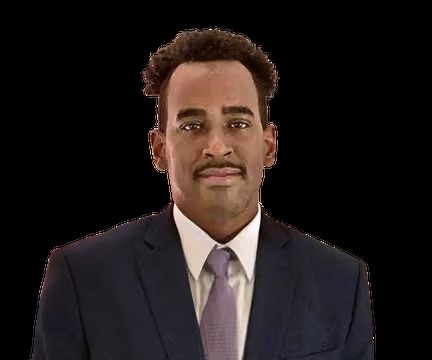
Source: theguardian.com
The most contentious proposal would let the public appoint or elect, by a simple majority, more than half of the directors at influential AI companies: 50% plus one seat. That could give Americans a way to block decisions that harm public interests, from data-center construction to the production of biological weapons.
Public ownership is the political test
There is some evidence that the public may be more receptive to shared ownership than the political rhetoric suggests. A June report found that about 69% of American adults support putting 50% of AI-company shares into a public wealth fund for public needs. Bernie Sanders, El-Sayed’s most prominent supporter in Congress, has proposed making that model law.
But support for tighter regulation or a pause in AI development is not the same as support for public control of private companies. To many voters, transferring businesses to a public trust sounds like socialism, a framing Republicans use to attack El-Sayed. His Republican opponent, Mike Rogers, has tried to portray him as a helpless communist.
The political opening is real, but narrow. An August poll found that only one in nine Americans would support building a data center in their own neighborhood. El-Sayed’s proposals speak to concerns that reach beyond AI itself: who benefits from its expansion, and who bears the costs.
The unanswered question
The case for intervention is gaining attention as the midterms approach. Barack Obama recently urged Democrats to unite around AI regulation, while El-Sayed and many progressive Democrats have pushed for it for years. El-Sayed calls for pausing the release of the most powerful systems, banning artificial superintelligence and creating an AI “off switch.”
Some AI-company leaders are also backing the idea of regulating the pace of frontier-model development, including OpenAI’s Sam Altman and Anthropic’s Dario Amodei. At the same time, the Trump administration has mocked calls to slow AI, calling concern about it a “hoax” while pushing for US leadership in the field at almost any cost.
I think the plan’s central weakness is also its most important question: who gets to decide what the public interest means, and how would those representatives be held accountable? The proposal offers a way to challenge decisions made by AI companies, but the article leaves the mechanics of that public control largely unspecified. Without an answer, public ownership may be easier to support in a poll than to build into policy.
Daily AI news
Every day we pick what actually matters in AI and explain it plainly — no hype, no filler. Subscribe if you want to follow where the industry is going.
Only what matters — every day
Follow on X