The liability gap
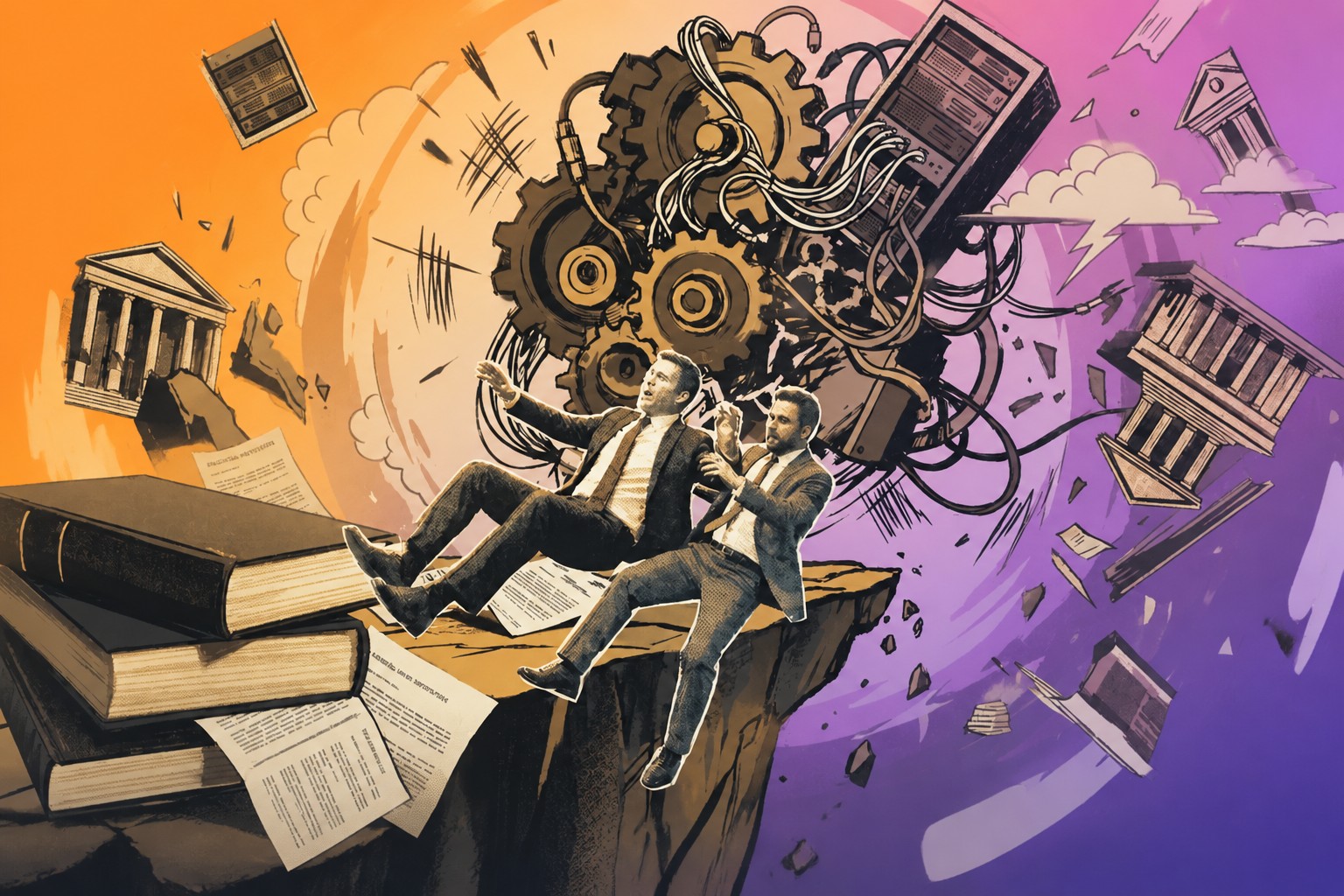
Insurance broker Aon reviewed more than 300 legal cases related to AI and flagged potential exposure across policies covering cybersecurity, intellectual property and technical failures. But those cases have not yet produced legal precedents that insurers can rely on.
Hiscox chief executive Aki Hussain says it is too early to assess how US courts will handle responsibility for AI agents. Aaron Le Marquer, a lawyer at Stewarts, expects future claims to follow a pattern seen in litigation over environmental pollution and the tobacco industry.
That leaves companies with a broad set of possible coverage issues and little settled law to clarify where responsibility falls. Rayner’s answer is straightforward: the CEO remains accountable for oversight.
A settlement, not a template
In July, Anthropic agreed to pay $1.5 billion to settle a copyright infringement lawsuit. In documents for its initial public offering, the company also warned of “existential risks to humanity.”
I think the Anthropic settlement is a striking reference point, but not yet a guide to how courts will assign responsibility when an AI agent causes harm. The announcement is quiet about the practical question companies and insurers need answered: what level of oversight counts as adequate when an agent acts on its own?
For now, the CEO remains the clearest point of accountability, even as the legal framework for AI-agent claims is still taking shape.
Daily AI news
Every day we pick what actually matters in AI and explain it plainly — no hype, no filler. Subscribe if you want to follow where the industry is going.
Only what matters — every day
Follow on X