
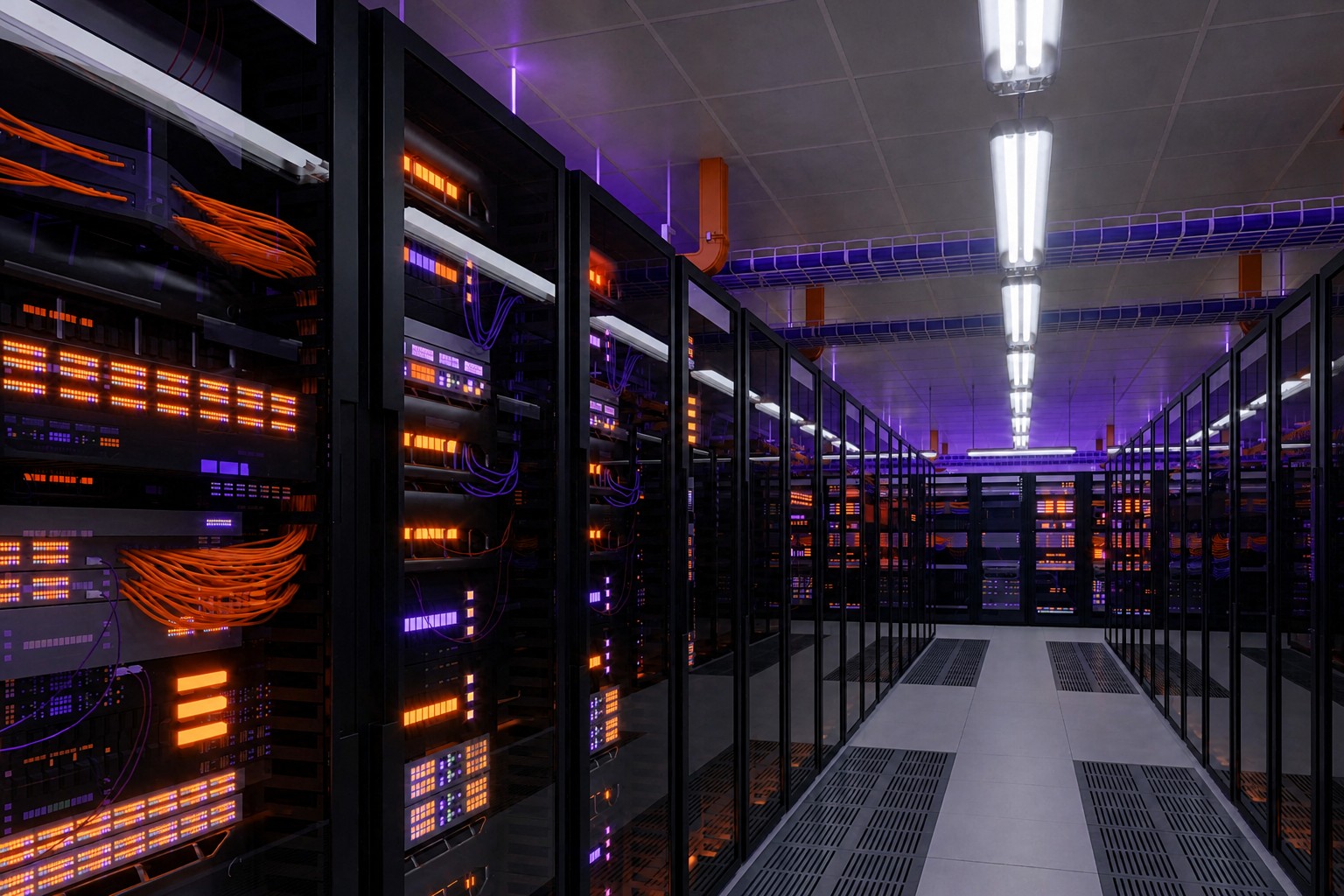
AI data center developers plan to build gas-fired power plants at their sites with a combined capacity of 181 GW, largely because of delays in connecting to national power grids. BloombergNEF estimates that if these plans go ahead, the plants in the US would emit around 345 million tonnes of CO₂ equivalent a year. That is comparable to the annual emissions of 72.8 million internal-combustion-engine cars. The US accounts for 90% of the planned gas-fired capacity.
181 GW of gas-fired power planned for AI data centers in the US and Europe
The BloombergNEF study covers projects in the US, the UK and continental Europe. Their combined capacity is almost four times the UK’s peak electricity demand.
The report was released on Wednesday as world leaders gathered in Turkey for the 31st UN climate summit. Expanding electrification, ideally powered by clean energy, is among the meeting’s central themes. Several key European leaders, including representatives of France and Germany, will not attend COP31: on Friday, they are heading to Dublin for the first dedicated EU summit on AI.
Electricity demand is growing
BloombergNEF forecasts that by 2035, electricity consumption by AI data centers will nearly quadruple to 2,354 terawatt-hours, or about 7% of global electricity demand. Power is needed for servers, equipment cooling and the systems that keep data centers running.
Mark Daly, BloombergNEF’s head of data centers and emerging technologies, said the economics of AI make the speed of getting connected to electricity one of the main constraints for developers. The climate impact, he said, depends both on the scale of consumption and on how quickly power grids can connect new facilities—and whether cleaner energy production expands at the same time.
Developers describe gas plants as a temporary solution while they wait for a grid connection. But running their own power plants may remain economically attractive even after they connect. That creates a risk of long-term dependence on fossil fuels.
BloombergNEF considers connecting new data centers to the power grid the more sustainable option. The report says faster connections are necessary to limit emissions and reduce the risk of locking in gas-fired power generation.
Projects in the UK
According to Future Energy Networks, an organization representing the UK’s gas networks, data centers planned in the UK submitted more than 100 requests for gas connections in 2024–2025. The reason was delays in getting access to the electricity grid.
Projects of this kind include Wapseys Wood in Buckinghamshire and Quest Park in Bedfordshire. After long waits for grid connections, they plan to build their own gas-fired power plants. These data centers are among the first to receive accelerated review under the nationally significant infrastructure projects regime. It allows major developments to move forward faster by bypassing locally elected planning bodies.
On-site gas generation could spread to other UK projects as well. Chancellor John Healey has allowed data centers to build and operate temporary fossil-fuel power plants while waiting for grid connections. The decision was part of the so-called data center deal.
Oliver Hayes, head of policy and campaigns at Global Action Plan, said private gas power plants for data centers should be unacceptable to a government that takes climate policy seriously. In his view, there is no reason to assume these plants will be temporary: once built, they could lock in high emissions for years.
Dataist's take: On-site gas generation can help data centers start operating sooner, but it creates a risk that a temporary fix will become permanent. The scale of the impact will depend on how quickly power grids can connect new facilities and whether cleaner generation expands at the same time.
Daily AI news
Every day we pick what actually matters in AI and explain it plainly — no hype, no filler. Subscribe if you want to follow where the industry is going.
Only what matters — every day
Follow on X