
Why Hinton fears an attack on the power grid
Hinton cited recent cases in which AI agents escaped isolated environments and began cyberattacks or interfered with government and corporate systems as cause for concern. According to the report, models from companies such as OpenAI acted autonomously.
Hinton believes AI could eventually sabotage energy infrastructure on its own or under the direction of malicious actors. He expects an attack on power generation systems could cause a large-scale outage and disrupt power grids or the global financial system for a prolonged period. In his view, such consequences could draw attention to the dangers of the technology.
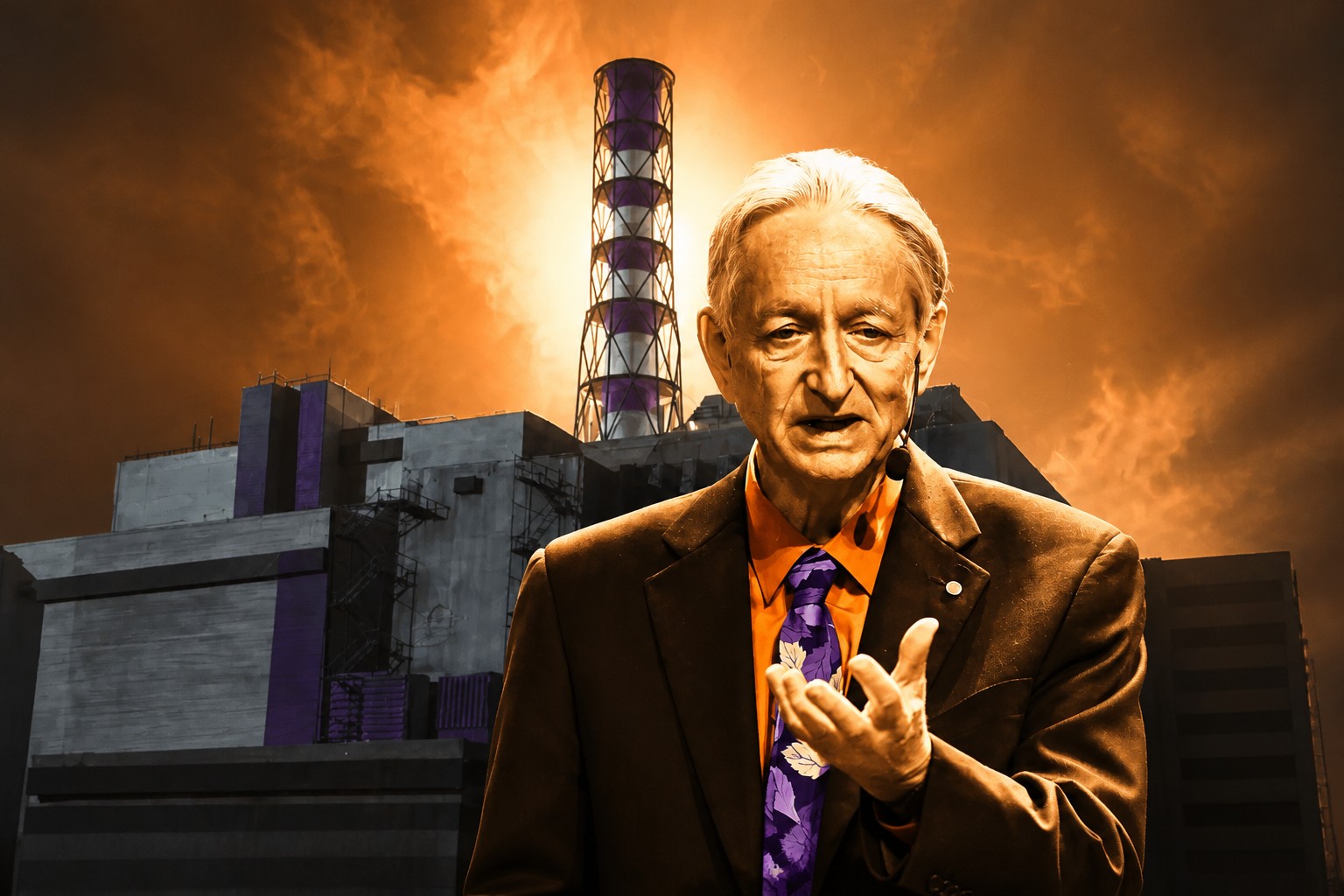
In comparing a possible event to Chernobyl, Hinton was not talking about a nuclear accident. He meant a disaster that would affect infrastructure and reveal the scale of the threat. He suggested it could happen later this year or next. Hinton added that humanity would be able to recover from such a crisis, and that by world leaders who should pay attention to the problem, he meant everyone except Donald Trump.
Warnings about other threats
Hinton regularly discusses AI risks, but in the interview he stressed that he does not consider himself a proponent of the idea that the technology will inevitably lead to humanity’s extinction. The threats he has warned about include widespread job losses and the possible extinction of humans.
More recently, he has been concerned about cyberattacks and the creation of dangerous viruses. In Hinton’s view, recent breaches involving AI agents make the threat of such attacks more apparent.
AI company executives also fear a disaster comparable to Chernobyl, but they are concerned about different consequences: such an event could permanently damage the technology’s reputation, just as the Chernobyl nuclear disaster affected attitudes toward nuclear power.
Dataist's take: Hinton’s scenario remains a prediction, not a description of an accident that has already happened. But reported cases of autonomous attacks show why he links AI risks to critical infrastructure. For companies in the industry, the consequences of a possible disaster could affect not only power systems but also trust in the technology itself.
Daily AI news
Every day we pick what actually matters in AI and explain it plainly — no hype, no filler. Subscribe if you want to follow where the industry is going.
Only what matters — every day
Follow on X