
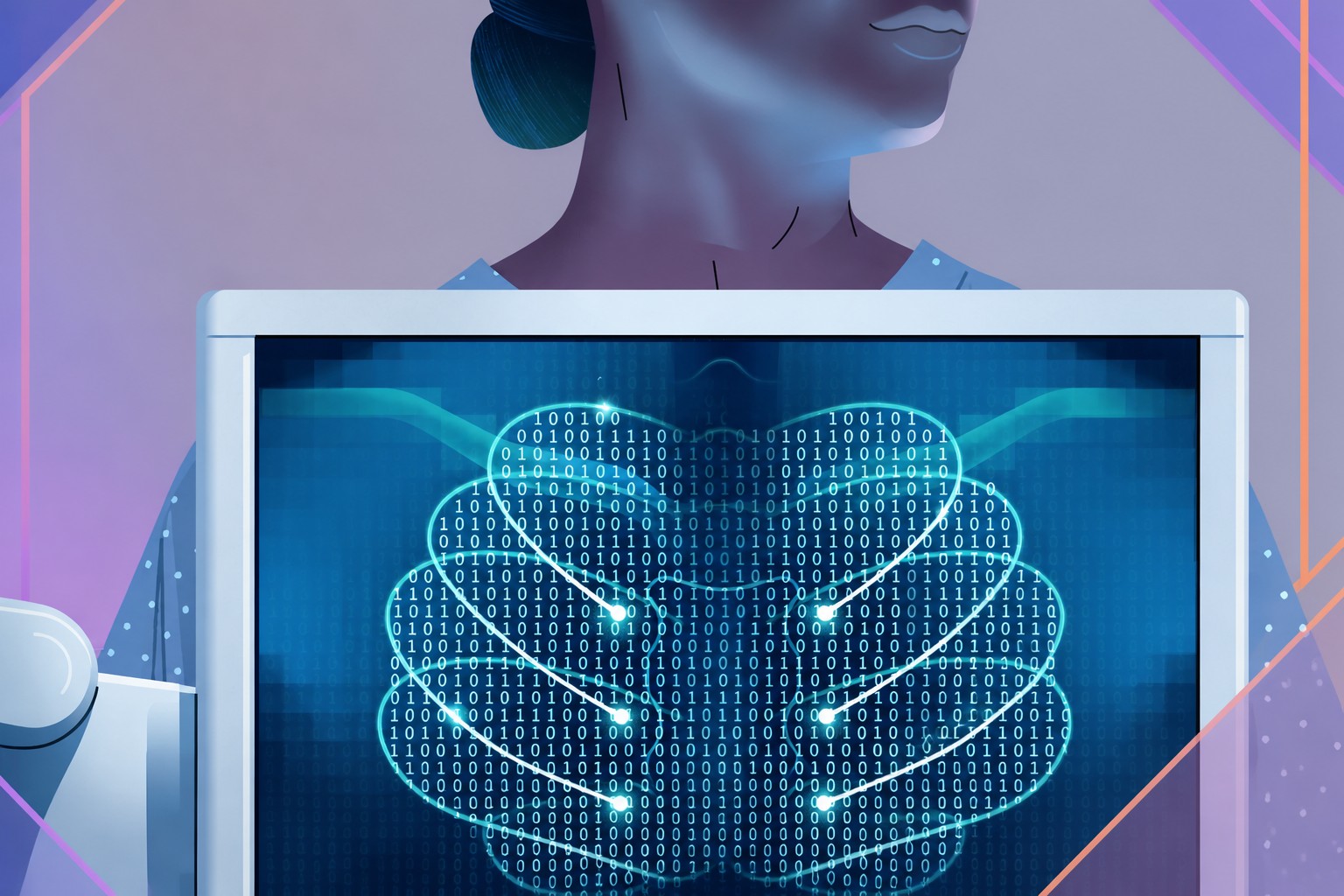
My grandmother June died of pancreatic cancer nine years ago. Her tumor seemed to appear from nowhere, but researchers now suspect that earlier scans may contain signals that physicians could not see. That possibility is more concrete than the promise of one machine-discovered cure for every cancer.
Cancer is not one disease
“Cancer” describes many diseases with different cell types, genetic changes and treatment options. Tumors are named for where they begin — in the breast, prostate, lungs, brain, blood or pancreas — but even cancers in the same organ can behave differently.
The diversity is especially visible in the brain. Felix Zamm, a neuropathologist at Heidelberg University Hospital, says there are more than 100 types of brain tumor, more than in any other single organ. Many questions about their biology and treatment remain unresolved.
That makes a universal cure not merely unlikely, but practically impossible. The more realistic opportunity is to improve several decisions along the patient journey:
Ajit Goenka, a radiologist and nuclear-medicine specialist at Mayo Clinic in Minnesota, is working on the first of those opportunities: finding pancreatic cancer earlier.
Some patients who later developed pancreatic cancer had undergone CT scans months or even years before diagnosis. At the time, the images looked normal. Goenka’s team suspected they might still contain measurable microscopic changes that were invisible to a radiologist.
A 2022 study supported that idea. Machine-learning tools found pancreatic tumors, including in organs that appeared normal, before a clinical diagnosis was made. Later studies examined whether the method was reliable, reproducible and useful across different medical institutions.
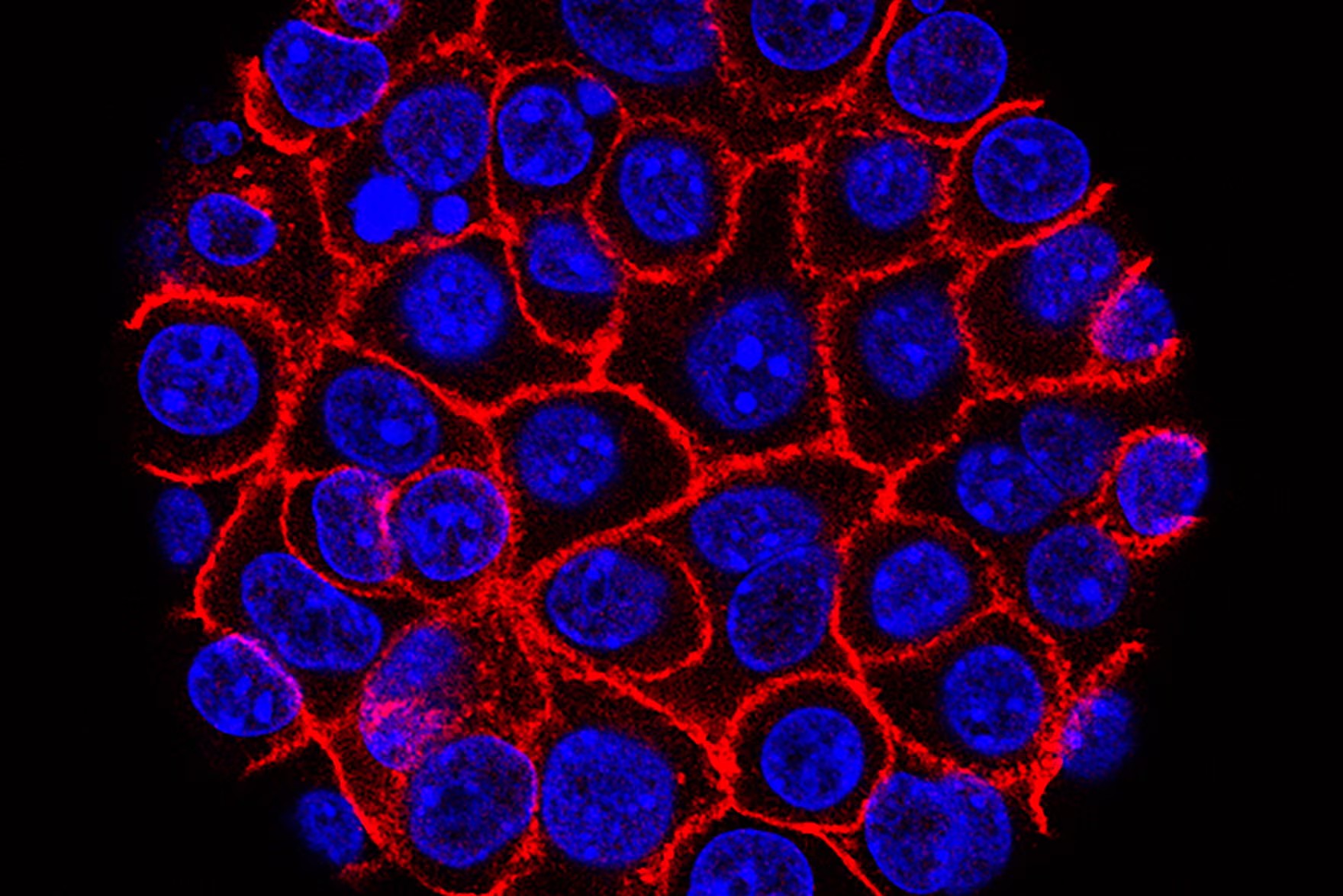
For someone like June, an earlier warning might have changed the available choices. It would not have guaranteed a cure. But it shows where AI can matter: not as an oracle that solves oncology, but as a tool that detects a faint signal before the disease becomes obvious.
From scan to treatment
Medical imaging is one part of a larger chain. Felix Zamm leads EUcanAI, a European interdisciplinary collaboration using AI agents to improve treatment for brain tumors and other cancers of the central nervous system.
His model of the process is sequential. Each stage builds on the previous one and produces information for the next. The potential gain is not one spectacular prediction, but less delay and uncertainty for a patient.
Zamm describes a teenager with a brainstem tumor. Based on the scans and the patient’s age, doctors believed the tumor was fatal. They operated, took a biopsy and rapidly sequenced the sample to identify the mutations causing the disease.
Normally, those results go to a specialist board, which discusses further surgery and treatment. If the data arrive during the operation, the patient may save time and money. Zamm expects AI agents could accelerate the process further: a surgeon could collect and image a tumor, then receive information about its mutation type and possible drugs.
That work is already being tested, but it is not standard practice. In rural areas and other places without oncology centers, specialists or advanced diagnostic tools, machine-learning systems could also help medical workers obtain more complete information sooner.
AI has already changed cancer care in smaller ways. It can analyze lung images for early signs of malignancy, assist with brain-tumor removal and help researchers generate hypotheses for new drugs. The result may be more personalized care and a wider distribution of specialist knowledge.
The missing step is biology
OpenAI and Anthropic have moved beyond chatbots into partnerships with companies, research centers and pharmaceutical firms. Their large language models and other AI systems are being used in drug development. IsoLabs, a startup created from Google DeepMind, says its goal is to “solve” all diseases.
The counterargument is not that AI is useless. It is that computation cannot substitute for experiments.
Emilia K. Jaworski, a physician and researcher at the Future of Life Institute, argues that fundamental biological truth must be measured rather than computed. In an essay on AI and cancer published in March, she wrote that the main constraints are data, regulation and the incentives around cancer research, not simply the intelligence of the systems.
After 13 years of active use of AI in drug development, there is still no drug that has been approved by the Federal Drug Administration and completed the full route into reimbursement and clinical practice. AI may identify promising targets, but people still have to test them.
A March report by The Australian illustrated the same boundary from another direction. A Sydney data analyst synthesized a personalized cancer vaccine for his dog Rosie after uploading its genetic data to ChatGPT. Some observers were impressed; others pointed out that people in a laboratory still did the essential work.
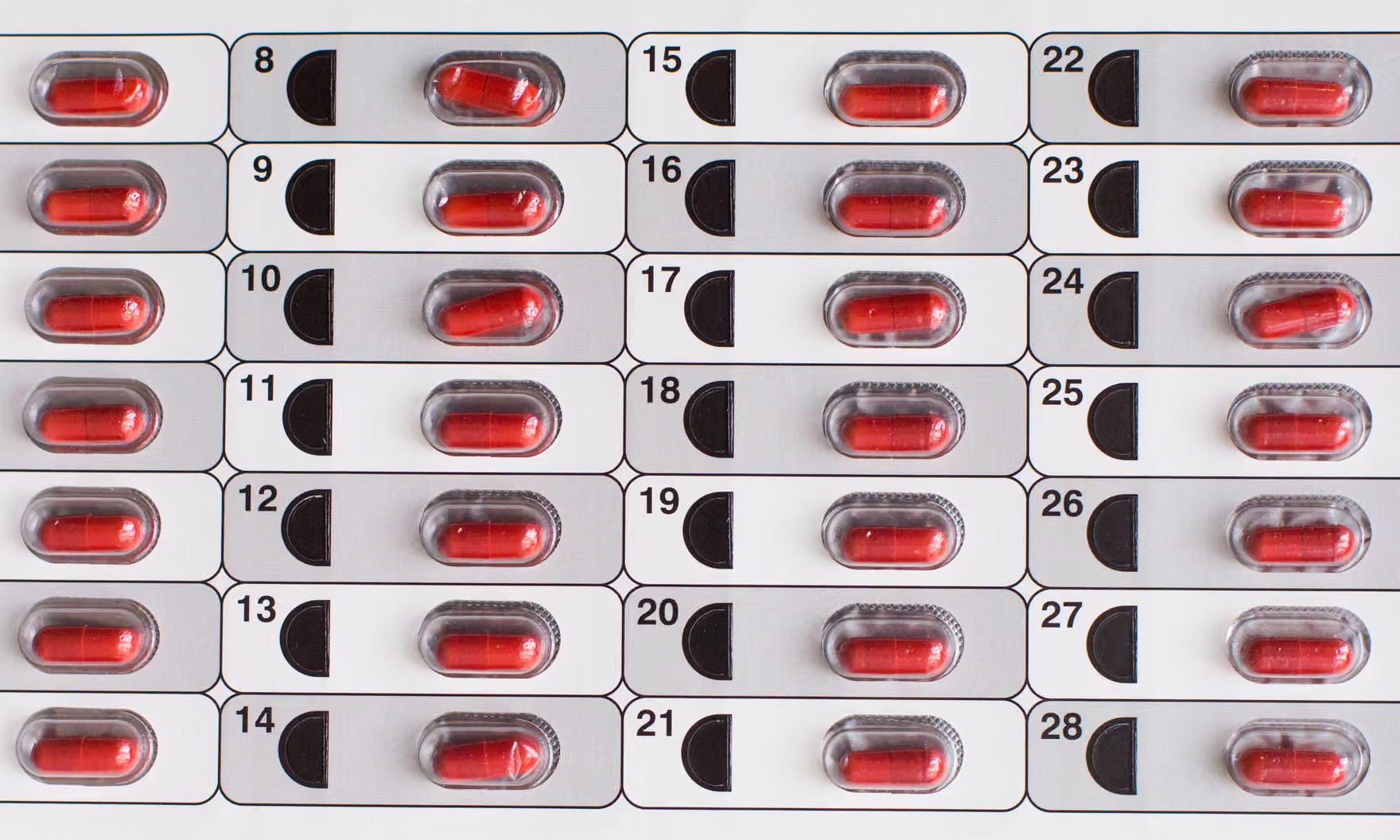
Even if AI can determine the most effective targets for new drugs, it cannot cut through red tape. Photograph: Phanie/Alamy
Source: theguardian.com
Most AI cancer research remains experimental or part of clinical trials. Even when a tool is considered safe for research participants, the European Union still lacks a clear regulatory path for bringing such systems to market.
I think this is the central mismatch in the industry’s cancer narrative. The strongest promises come from companies building models, while the people studying cancer keep describing unknown pathologies, incomplete datasets and experiments that have not yet become routine care.
AI can produce a million hypotheses, as Loy puts it. Humans still have to determine which ones are true. The technology may shorten the route from an image to a decision, or from a mutation to a candidate drug, but cancer treatment still depends on the slower work of biology, laboratories and institutions.
That is why the most credible AI future in oncology is also the least cinematic: earlier detection, fewer delays and better decisions for particular cancers. The machine may find the signal, but the cure still has to survive the real world.
Daily AI news
Every day we pick what actually matters in AI and explain it plainly — no hype, no filler. Subscribe if you want to follow where the industry is going.
Only what matters — every day
Follow on X