


Source: wired.com
How the ring suggests actions
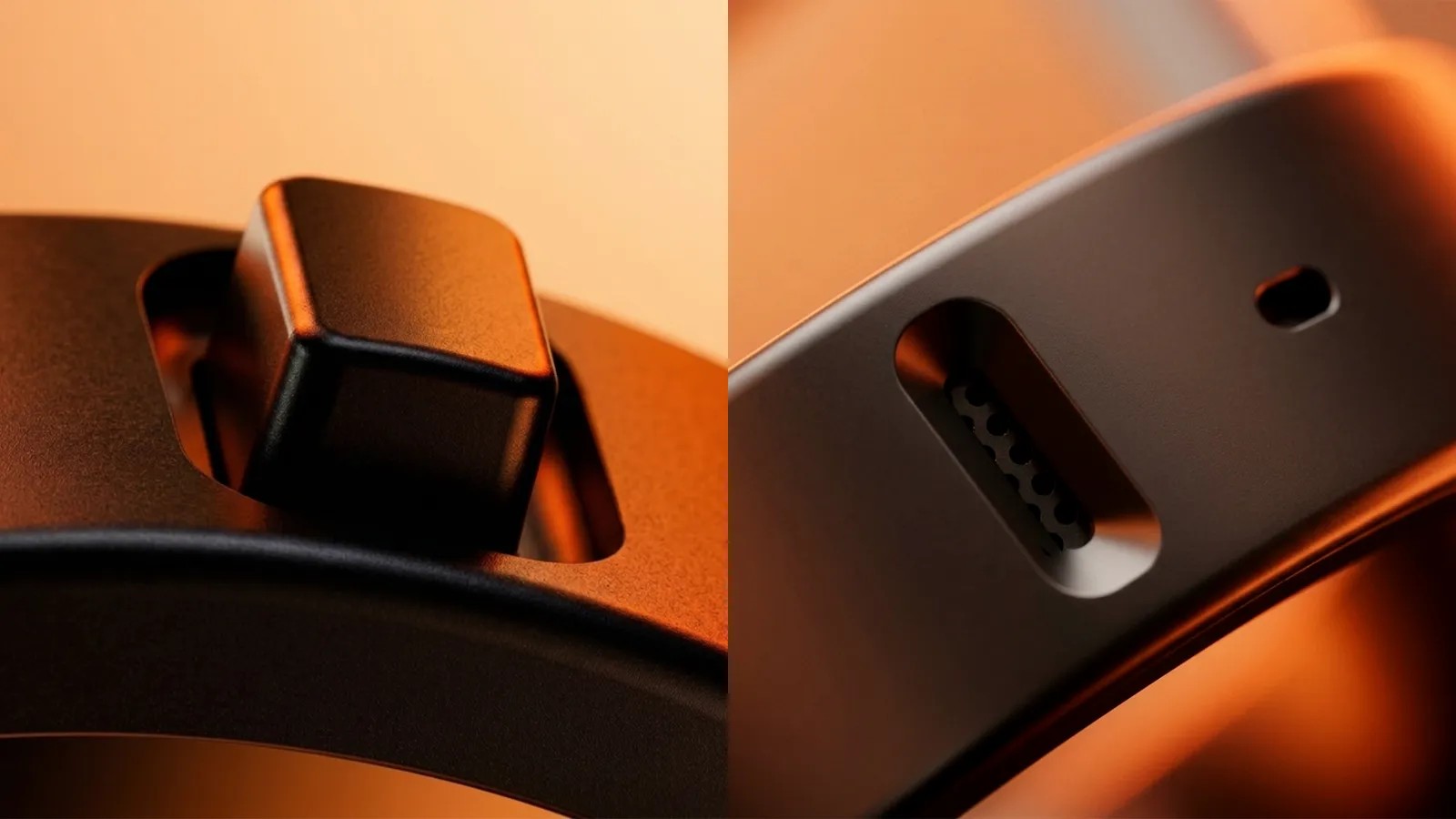
Aina founder Apurv Shankar believes future interfaces will revolve around approvals and rejections: an AI agent will suggest doing a task, and the person will decide whether to agree. Constantly reaching for a phone to answer such prompts could become a bottleneck. The ring lets users respond quickly with a button press while keeping their phone in their pocket.
Before unveiling the ring, the company worked in stealth for 15 months. At CES 2026, it showed several experimental devices under the name Project Mirage. One of them, Dune, connected to a Mac and turned three buttons into contextual controls. During a meeting, for example, users could assign them to mute the microphone, turn off the camera or start recording. After studying how people used Dune, the team developed Aina Ring.
The ring’s system suggests actions based on a user’s habits and personal data, including location, calendar and email. To use services, users need to connect them in the Aina app. Available features and actions depend on support from each specific app.
Shankar calls these suggestions Aina Cues. They run on the Context Aware Operating System. For example, if someone usually goes for a run at 6 a.m., the ring might suggest continuing a podcast they listened to the day before or playing music. The joystick also controls playback. If a user usually takes an Uber to work at 8:30, the ring can suggest booking a ride; they can confirm by tilting the joystick in the confirmation direction. Before a Zoom meeting, if the user is running late, the system might suggest sending an email to let others know.
Users will be able to create their own Cues in natural language. For example, they can set a reminder to turn on the coffee machine every morning at 8. If an app or service is not supported by Aina, users can connect a third-party AI agent to the ring, such as Muse or Instinct. These agents carry out tasks through virtual browsers.
The screen shows whether an action has been completed. Shankar says confirmation on the display helps users know that a command has actually gone through, since agents do not always respond immediately.
Other ring features
The ring can work as a contextual remote. If a user is on a Zoom call on a Mac, the device will offer Zoom controls. When connected to a TV system, Aina can act as a television remote.
Aina Voice lets users talk to AI agents through the central button or ask the ring to take notes. Similar features are available on the Sandbar Stream and Pebble Index 01 smart rings. The device also has a small speaker for phone calls: users can start a call with a voice command and then hold their hand to their ear like a headset.
Before Aina, the team considered other device formats, including smart glasses and pendants, but settled on a ring as a convenient way to interact with agents. Shankar already had experience with smart rings: he previously served as vice president of hardware at Ultrahuman, which makes a ring for tracking fitness and health and competes with Oura. A patent dispute briefly barred Ultrahuman from selling devices in the US.
Source: wired.com
The ring does not replace the phone
Companies have already tried to build new devices for the AI era. Notable examples include Humane and Rabbit, but none of these devices has yet become mainstream. OpenAI is developing its own product with former Apple designer Jony Ive. Many such devices promised to replace the smartphone, while Rabbit, according to the source author’s assessment, was uncomfortable to carry alongside a phone.
Aina is not aiming to do that. Shankar believes smartphones already do their jobs too well; the ring is meant to keep users from slowing AI agents down while they wait for approval. He says agents can perform an increasing range of tasks, but still often wait for a person to decide.
Dataist’s take: Aina is building around a specific constraint on AI agents: they need users to approve actions quickly. But the available actions depend on app and service support, and shipments are scheduled to begin in January 2027.
Daily AI news
Every day we pick what actually matters in AI and explain it plainly — no hype, no filler. Subscribe if you want to follow where the industry is going.
Only what matters — every day
Follow on X