

In October, Character.ai filed for bankruptcy, five years after launching. In November, family AI assistant Ollie announced it was shutting down. These are part of a broader picture: according to S&P Global Market Intelligence, companies eventually abandon about 42% of their own AI projects. Reasons include a lack of funding, technical problems, competition, difficulty scaling and weak demand. The list is not limited to startups: large companies also shut down products, fold their features into other services or rethink launches.
AI projects’ graveyard: which products shut down and why
OpenAI combined products and rolled back an update
Even for large companies, AI projects do not always find a lasting place. On July 9, OpenAI updated ChatGPT in an effort to turn it into a universal app. The update brought together several modes, including separate “Chat,” “Codex” and “Work” sections, and renamed the familiar version ChatGPT Classic.
Users criticized the interface as confusing and overloaded. OpenAI soon rolled back the update and restored ChatGPT’s previous appearance.
The company has gradually shut down other standalone products, moving their features into ChatGPT:
Siri was delayed, but appeared in beta
In 2024, Apple introduced Apple Intelligence and highlighted an updated Siri among its capabilities. The company promised the assistant would take context into account, understand what was happening across different apps and carry out tasks.
But Apple repeatedly postponed the launch of the new Siri, citing engineering problems and bugs, among other reasons. The delays were one factor in a $250 million settlement: Apple agreed to pay that amount to resolve claims about how it advertised AI capabilities in the iPhone 16.
The new Siri appeared in the iOS 27 beta in July. This month, Apple began rolling out the update to English-speaking users; support for other languages is expected later.
Character.ai went bankrupt after its deal with Google
Character.ai was founded in 2021 by former Google researchers Noam Shazeer and Daniel De Freitas. The app let users chat with customizable bots, including ones modeled on celebrities and fictional characters. In 2023, the startup raised $150 million at a $1 billion valuation.
The following year, Google reportedly paid $2.7 billion for a license to Character.ai’s technology and the return of its founders to the company. The startup continued operating without them.
In the years that followed, the company faced lawsuits from families who alleged that chatbots contributed to teen suicides and self-harm. Disney sent it a letter demanding that it stop using its characters without permission. Late last year, Character.ai barred users under 18 from having open-ended conversations, and in early 2026 it agreed with Google to settle several lawsuits.
In early October, the company filed for bankruptcy, citing legal, regulatory and operational difficulties. Disney unexpectedly became the first bidder for its assets, offering $20 million for a license to some of Character.ai’s intellectual property. The app will continue operating during the process, which is expected to conclude by late November or early December.

Relay could not withstand the competition
Relay, an AI workflow automation service built as an alternative to Zapier, shut down completely in August 2026.
The service used AI agents to automate email and task management. But OpenAI, Google and other large platforms began adding similar capabilities directly to their products. For five-year-old Relay, it became harder to explain why users needed a separate service.
Ollie could not attract enough users or capital
Ollie launched in June 2026 and became one of the first popular apps to meet the SOC 2 data protection standard.
The service for families brought together information from school messages, calendars, task lists and group chats. It helped sync calendars, email, reminders and other household tasks, and sent users the information they needed by text message.
Co-founder and CEO Bill Lennon announced that the app would shut down on November 6. He cited difficulty standing out from competitors, lack of growth and a shortage of capital raised. Ollie also competed with the major services Muse and Instinct.
Microsoft Recall raises data-protection concerns again
Microsoft introduced Recall at its Build developer conference in 2024. The feature was described as a “photographic memory” for Windows computers: it was supposed to take screenshots periodically so users could later search information about their digital activity.
The announcement drew immediate criticism over privacy and security risks. Recall’s opponents feared the feature would create a searchable archive containing sensitive data — passwords, private messages, financial information and other details. Microsoft delayed the launch by almost a year to rethink data protection.
The redesign did not settle the debate. Recently, a cybersecurity researcher created a tool that extracted and displayed data saved by Recall. This raised the question again of whether Microsoft had managed to fix the original problem.
Notion Mail will shut down in September
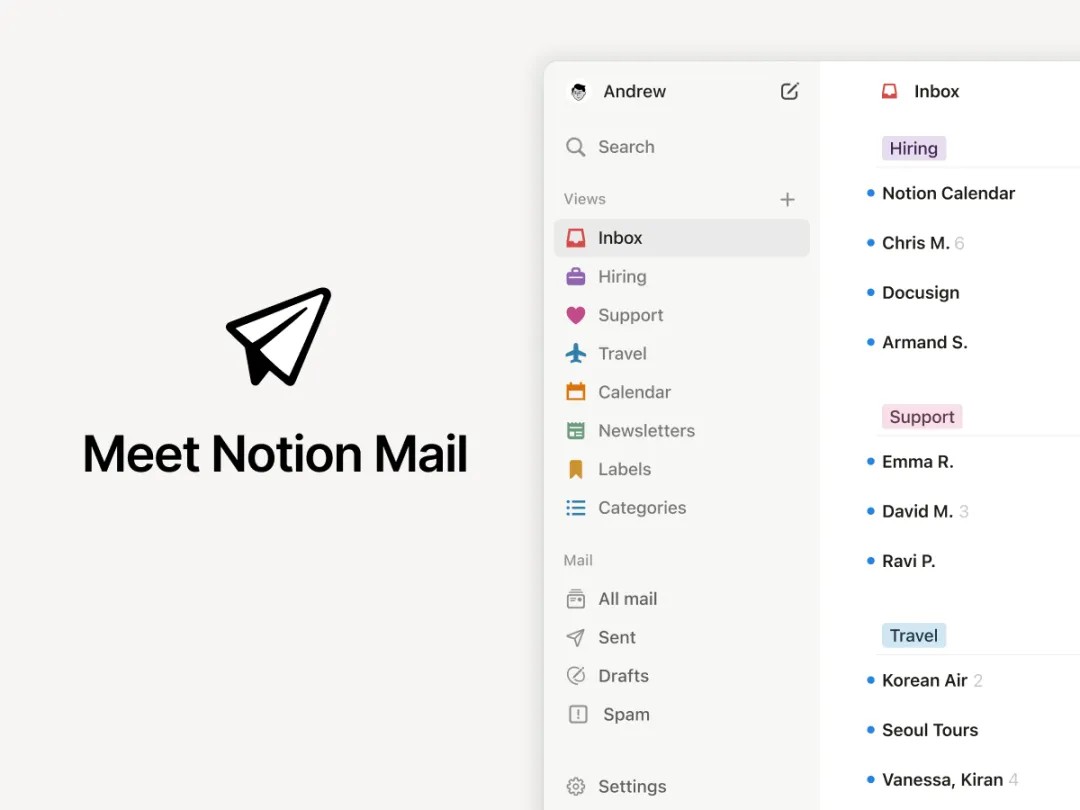
Notion Mail launched in April 2025 as an email product with AI features for organizing and automating incoming messages. But the company found that users preferred to delegate email tasks to standalone AI agents. Notion Mail is scheduled to shut down on September 22.
Humane AI Pin fell short of expectations
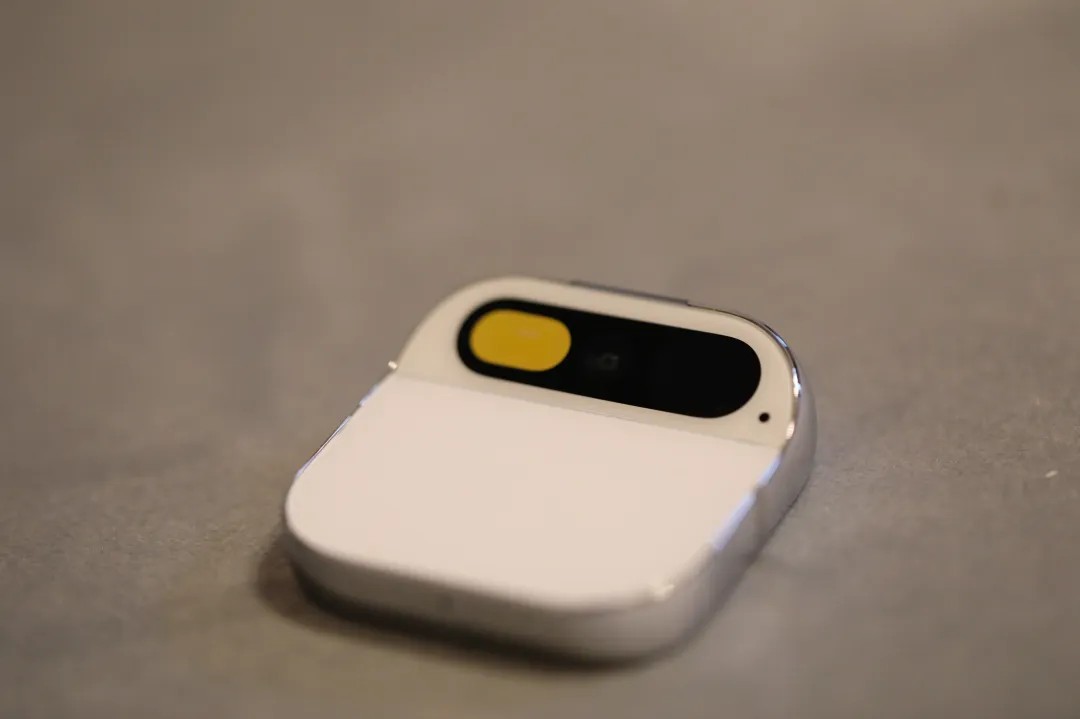
The Humane AI Pin wearable was intended to provide access to AI features without a conventional smartphone. The project raised $230 million in investment and attracted considerable attention, but the device struggled with everyday tasks.
Humane later warned buyers not to use the charging case because of a risk that its battery could catch fire. In February 2025, the company shut down its AI Pin business. HP acquired most of its assets for $116 million.
Rabbit R1 continues to receive updates
The Rabbit R1, introduced at CES in January 2024, was designed as an AI assistant capable of carrying out its owner’s requests. Shortly after launch, Rabbit said it had sold 100,000 devices.
Early reviews, however, called the product unfinished: it was unreliable, and the number of useful integrations was limited. The company has not abandoned work on the R1 and has continued releasing updates. It now positions the device as a computer controller for tasks carried out by an AI agent.
Rabbit also recently announced a new hardware project, Project Cyberdeck. The company plans to create a portable device for programming with prompts.
Huxe shut down amid competition
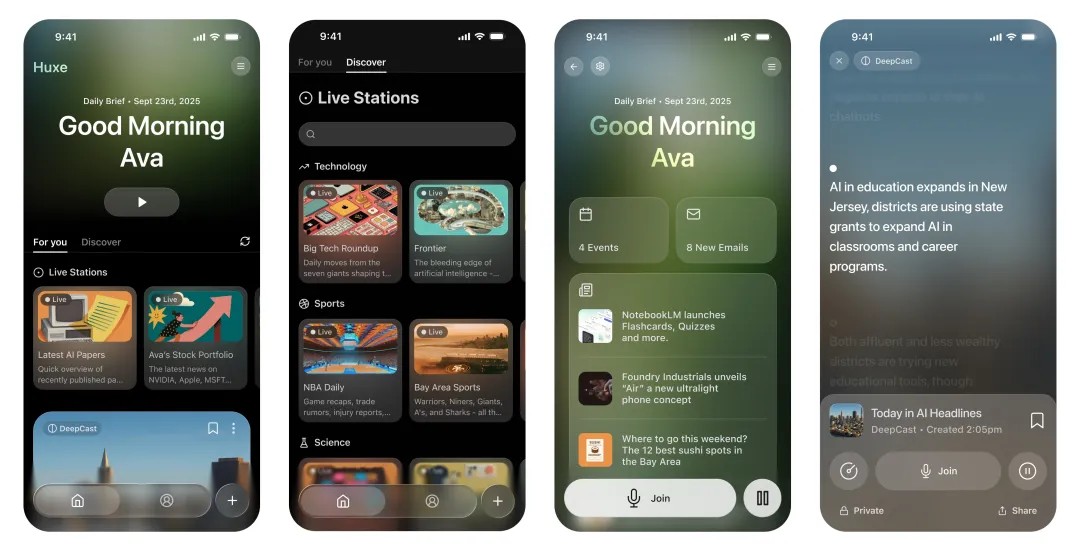
Huxe was created by former Google NotebookLM developers. The app turned written materials into audio in a conversational, podcast-like format.
The company shut down in May 2026. One reason was that similar features were appearing on major platforms that already had large audiences. Spotify, for example, is expanding its own AI audio tools.
Yupp could not find a sustainable model
Yupp was a free platform where users could compare the responses of hundreds of AI models side by side, vote on them and earn cryptocurrency. At its peak, the platform let users test more than 800 models, including those from OpenAI, Google and Anthropic.
The founders said the product did not find strong enough product-market fit to continue operating. The platform shut down in March 2026.
Figgs AI could not keep access free
Figgs AI operated from 2023 to 2024. Users could create AI characters and interact with them in role-playing scenarios and stories. The platform reportedly had more than 1 million users.
The developers shut down the service, saying it had become too expensive to keep it free.

Dataist’s take: These products show that interest in AI does not guarantee lasting demand for a standalone app or device. Large platforms can move similar features into services people already use, while other projects depend on their operating costs, product quality and ability to attract users and capital.
Daily AI news
Every day we pick what actually matters in AI and explain it plainly — no hype, no filler. Subscribe if you want to follow where the industry is going.
Only what matters — every day
Follow on X