
What changed
Meta launched Muse on September 8. Within its first week, the app became the most downloaded free app in the US App Store.
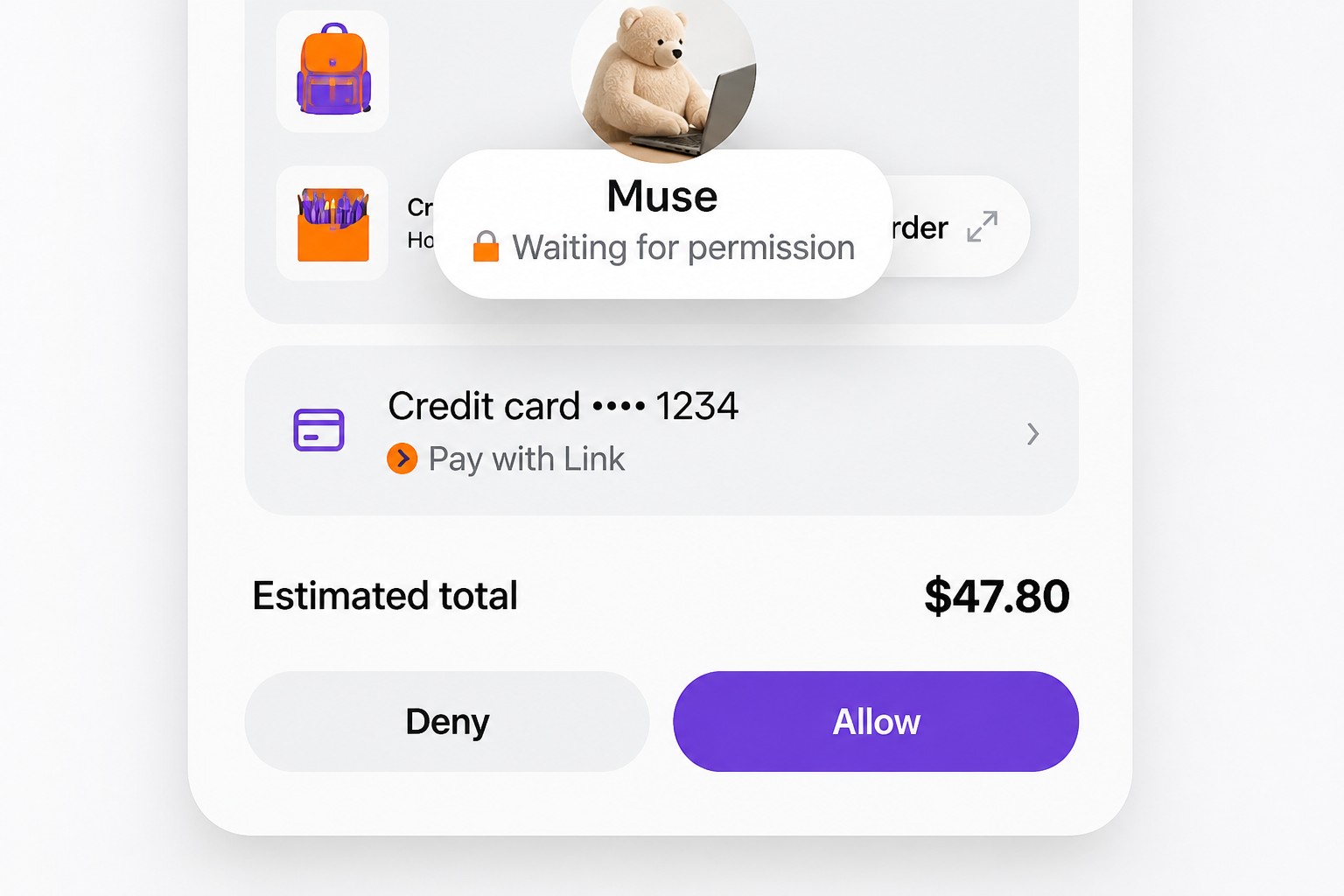
Meta had previously said that Muse could not access customers’ passwords or payment data. That assurance has not stopped Amazon from treating the agent’s access as unauthorized.
The notice gives a legal basis for the block, but little operational detail. It does not explain which specific behavior violates Amazon’s terms or whether the restriction is about data access, automated browsing, or control over the purchasing process.
Amazon’s wider stand against shopping agents
Amazon’s actions now include agents from:
The conflict is not a clean break with those companies. Amazon continues to do business with them, just as it does with Meta. In April, Meta signed a $1 billion deal with Amazon to supply cloud chips.
The platform still controls the checkout
The interesting part is the contradiction: Amazon is willing to work with the companies building AI systems while resisting their agents inside Amazon’s storefront.
I think this makes the Muse block less a dispute about whether an agent can keep passwords safe and more a dispute over who owns the shopping interface. Amazon can accept Meta as a chip customer and still reject Meta’s software as a participant in its retail system.
What I’d want to know is whether Amazon applies a consistent technical standard to these agents. The announcement, as described here, names a violation but does not reveal the test behind it. That silence leaves the retailer with broad control over which AI shopping experiences can exist on its platform.
The business relationship can survive while the software remains outside the gate: Meta may help supply Amazon’s infrastructure even as Muse is denied access to Amazon’s store.
Daily AI news
Every day we pick what actually matters in AI and explain it plainly — no hype, no filler. Subscribe if you want to follow where the industry is going.
Only what matters — every day
Follow on X