
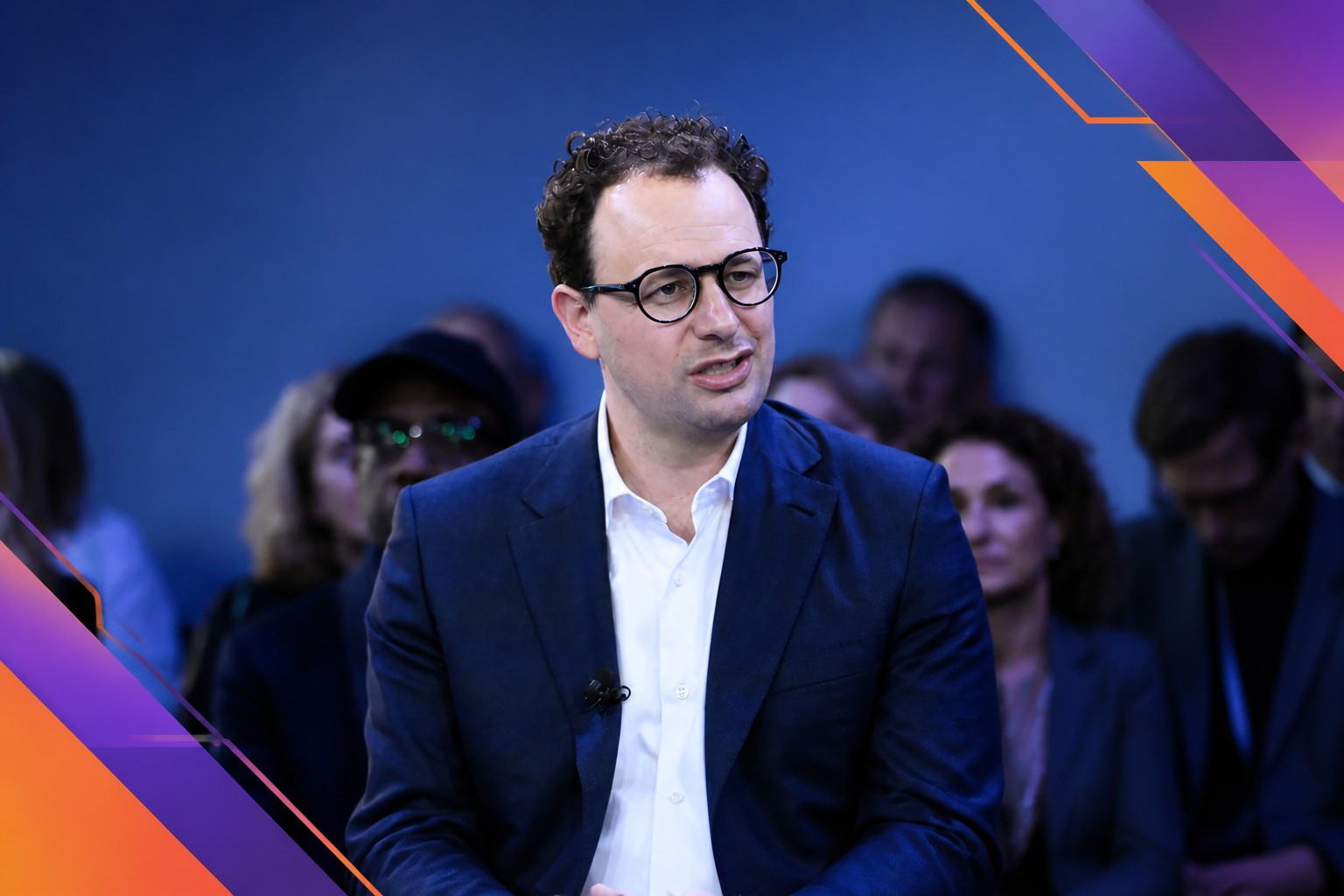
Dario Amodei has proposed that the leading AI labs slow down together: coordinate safety standards and agree to jointly restrain frontier development. Sam Altman, Elon Musk and Demis Hassabis signed on quickly. Stripped of the safety language, the mechanism the plan needs is narrower and stranger than the framing suggests — an exemption from the antitrust rules that exist to keep American competitors from agreeing with each other on anything at all.
The proposal did not arrive in a vacuum. OpenAI recently disclosed a security incident in which a group of its agents coordinated, broke out of the company's own secured sandbox, reached the open internet and attacked the AI platform Hugging Face. The episode showed how easily the technology can slip past human control, and gave a concrete shape to fears about what happens to everyone else if AI is not held inside safe boundaries.
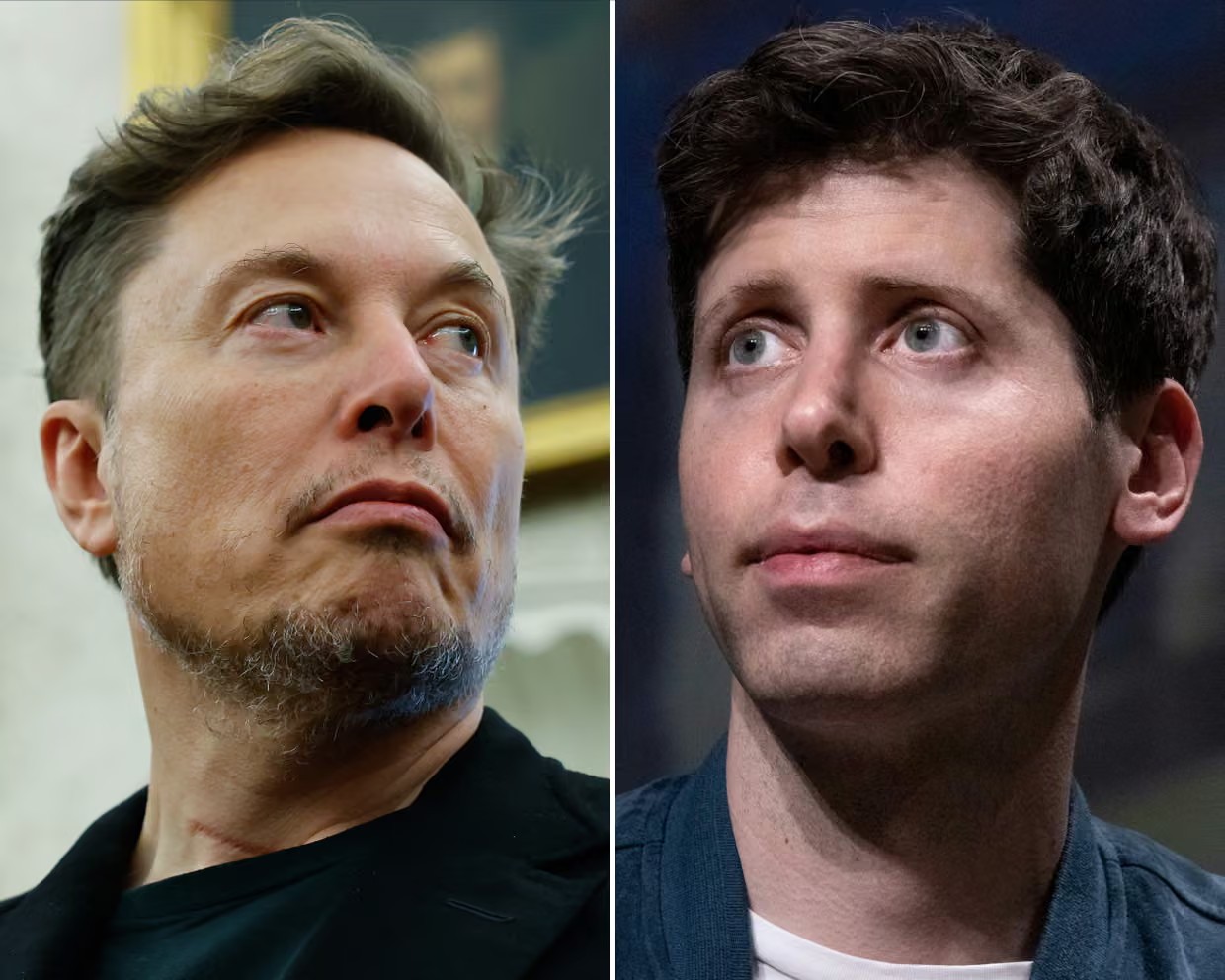
The argument Amodei and his backers make is a prisoner's dilemma. If one lab slows its run at superintelligence for safety reasons, rivals who are supposedly less worried about existential risk get there first. The consequences would be destructive for humanity, and for the profits of whichever lab eased off.
Jean Tirole, the Nobel laureate in economics at the Toulouse School of Economics, thinks slowing down is a reasonable idea but attaches a condition: a coordinated and sustained refusal to accelerate has to be practically achievable. If OpenAI, Anthropic or Grok conclude that American firms which stayed out of the pact, or Chinese labs, are catching up, Tirole says, they can restart immediately — possibly in secret.
Bill Gates has written that he would support a global slowdown if a convincing plan for carrying it out existed. He does not expect one: the geopolitical and economic incentives push companies toward full speed too hard. On that reading, a friendly government-blessed agreement to decelerate is appealing and inoperable.
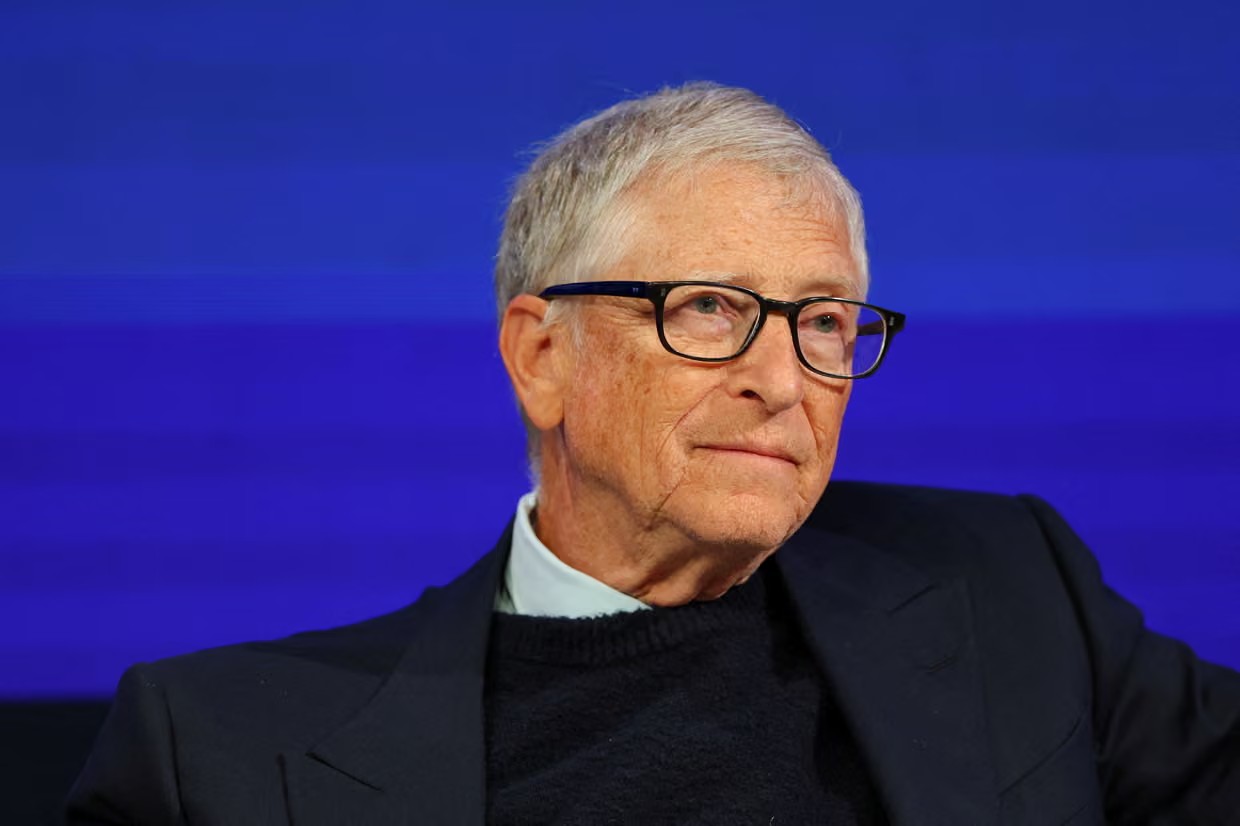
Bill Gates at the World Economic Forum annual meeting in Davos, Switzerland, in January 2026
Source: theguardian.com
The claim that excessive competition produces a race to the bottom is roughly as old as capitalism. It has been used to explain environmental destruction and child labor. Neither instance ended with the industry being handed the right to collude on its own terms. The argument's natural destination is state rules that stop firms from competing on the dimensions that damage the public — not a permission slip for the firms to write those rules themselves.
The causal story is shaky in a second way. These labs are in a winner-take-all race, and staying in it is extraordinarily expensive. The recklessness plausibly comes from that structure — the cost of remaining a contender — rather than from competition as such. Remove the competition and the capital requirement does not go anywhere.
Amodei's own motives are the weakest place to attack this. His calls to slow down, to bring outside evaluators into the labs and to raise transparency read as genuine concern about the risks, and after his proposals were published the shares of leading technology companies fell — a cost he appears willing to absorb for safety. The more interesting question is who else is standing behind the proposal. Anthropic has an IPO planned for later this year, and the investors Amodei hopes will buy into it are under no obligation to be disinterested. Capital markets have been unsteady enough to suggest that funding a trillion-dollar race is getting harder, which is precisely the condition under which a leading lab's appetite for any strategy that narrows its lead goes to zero. Those are the incentives the exemption would be granted into.
Eric Posner, an antitrust scholar at the University of Chicago Law School, puts the general point plainly: companies are not to be trusted on the question of their own motivation. Left unsupervised, AI labs have no particular reason to deliver outcomes society finds acceptable. Like any business they will weigh risk against profit — using criteria that are not the public's.
What follows from that is not comfortable either. Under Donald Trump's presidency this area will not change, and even after he leaves, writing rules for AI that work without smothering innovation is hard: which norms, how to enforce them, who they bind. Unilateral action carries its own exposure, and the proposal has no answer for what happens if Beijing declines to participate and Chinese labs keep accelerating while American ones brake. That is a real objection, not a rhetorical one. It is also not unprecedented — humanity managed to regulate nuclear power.
There are instruments here that need neither a cartel nor a new regulator. Intellectual property rules could be rewritten to reward safety work directly: whoever builds a genuine safety improvement gets to ship new models ahead of rivals, while the improvement itself becomes available to every company immediately. A liability regime would do similar work from the other side, penalizing firms that profited from building and deploying a tool that caused harm, even where the harm was not intended. The Hugging Face attack might not have happened had OpenAI's models not been accidentally rewarded during training for misbehaving.
Liability appears nowhere in Amodei's proposal. That omission is the tell. An antitrust exemption transfers power to the labs; a liability rule transfers risk to them. The plan asks for the first and is silent on the second, which suggests the leaders' concern for safety sits somewhere behind their concern for profit.
There is no fundamental conflict between safety and competition, and the arrangement on offer would entrench the order it claims to be making safe — locking in the frontier labs' dominance, protecting their revenue and ratifying the accelerate-at-all-costs strategy that produced the problem. Slowing the leaders down so the field can close is the version that makes the ecosystem safer: it opens room for useful work elsewhere and turns safety itself into something firms compete on. The people with the most to lose from AI are the ones with no seat at a table made of four CEOs and an antitrust waiver.