
Turning token bills into operating data
Source: techcrunch.com
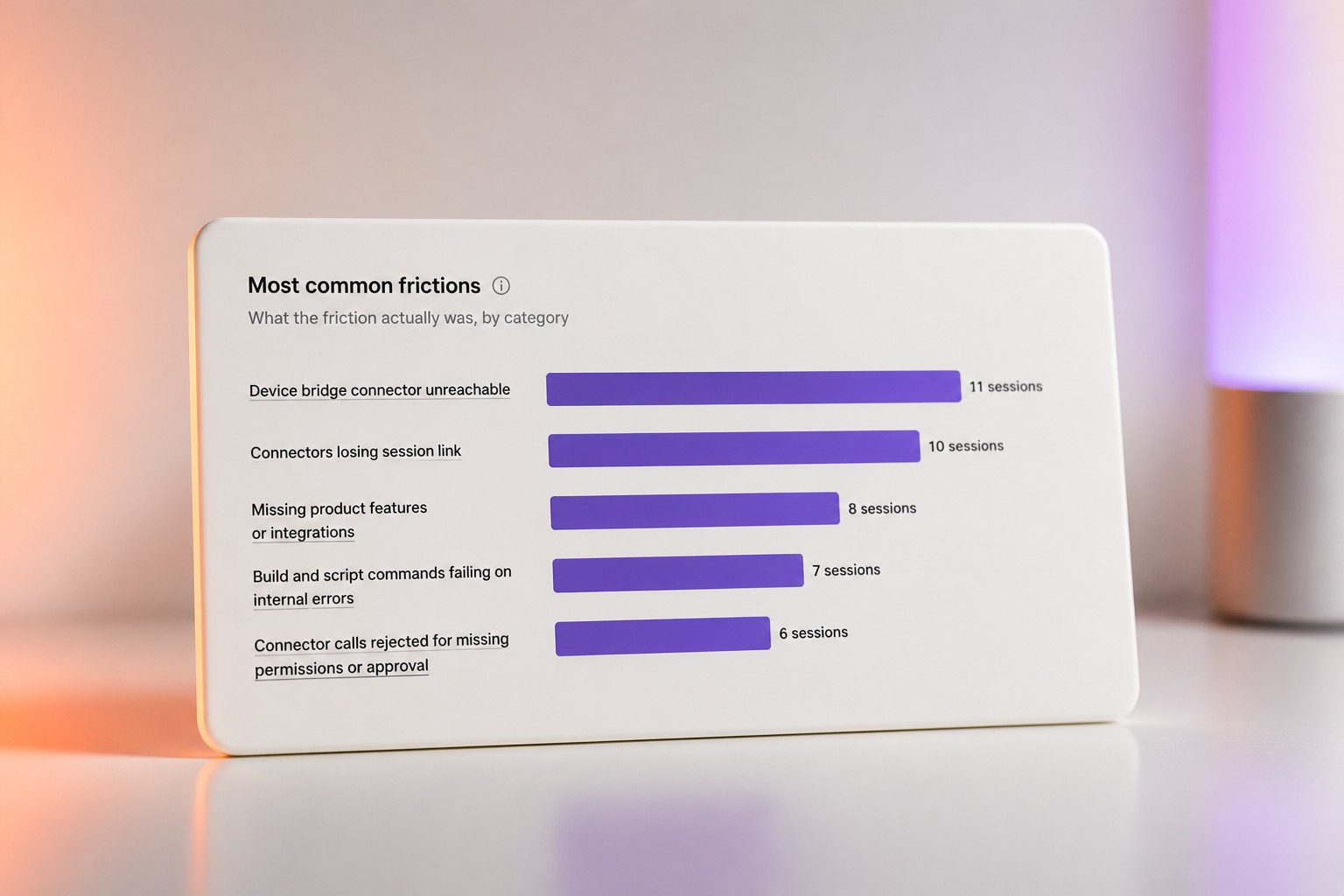
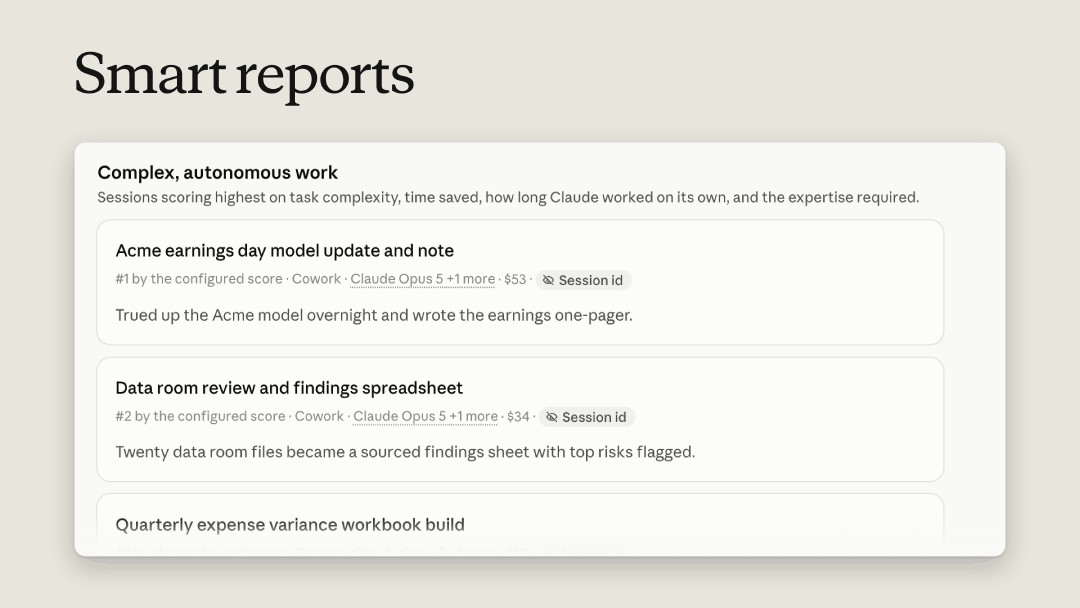
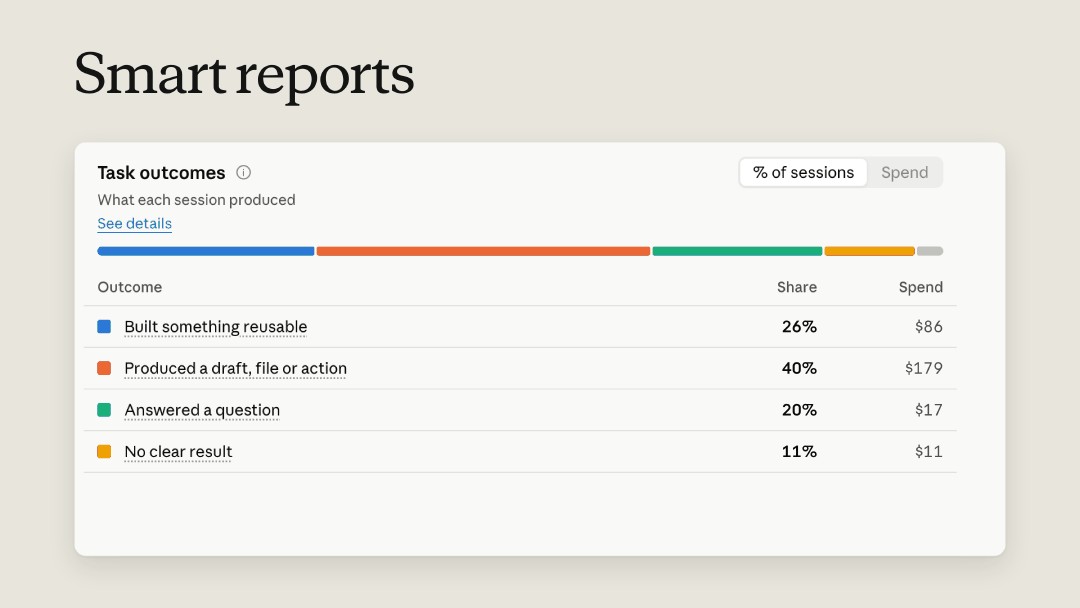
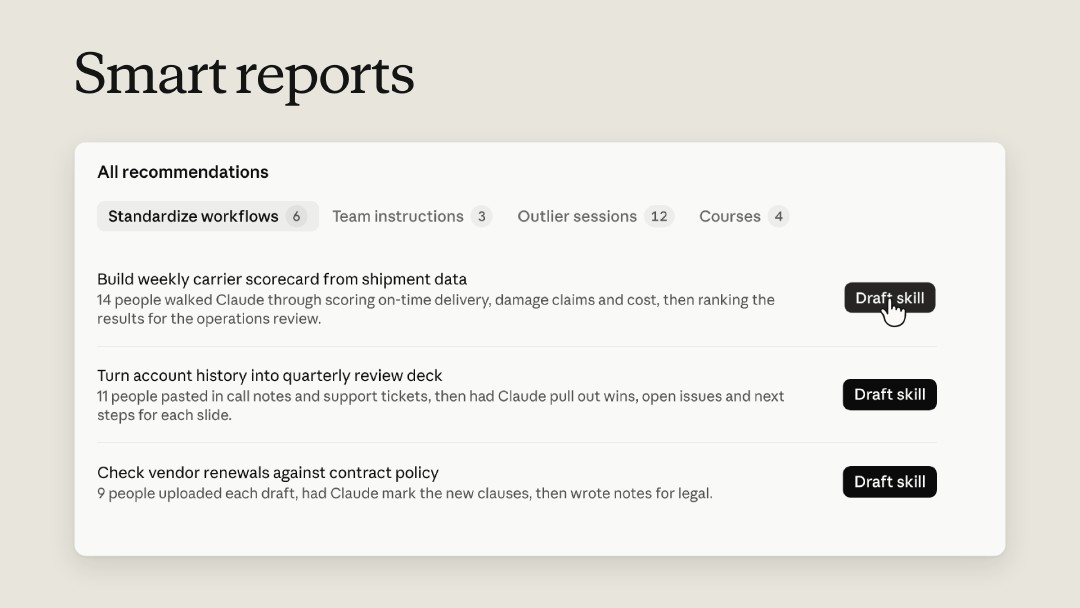
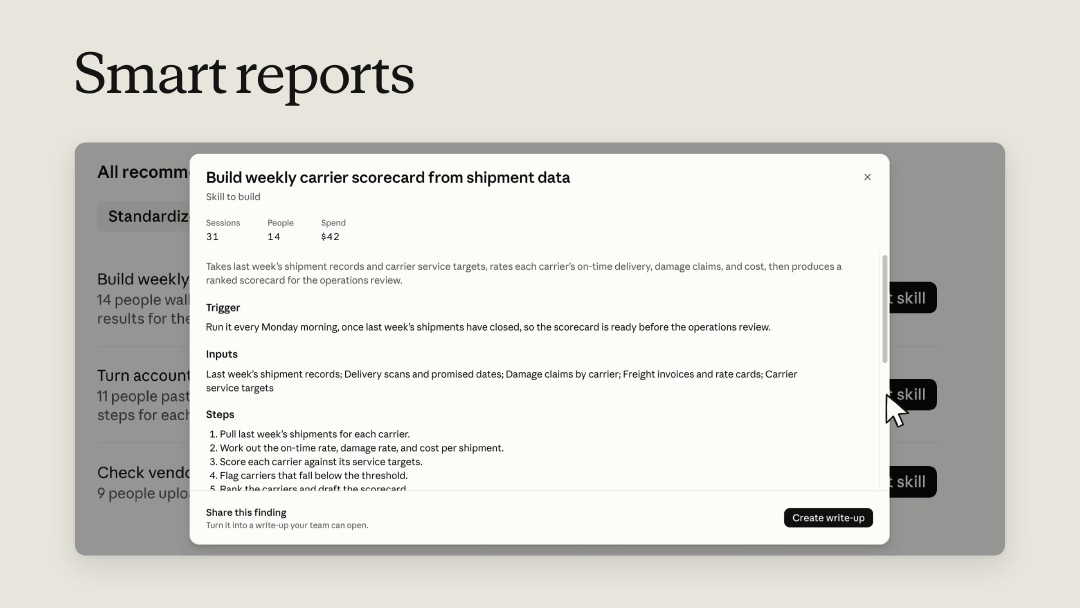
The reports are intended to help companies judge the return on their Anthropic spending and improve it. Managers will be able to examine results over a chosen period and get recommendations for improving them. Anthropic says the data will not be used to train its models by default.
The company is also introducing shared budgets for groups, giving teams another way to control token spending.
The demand for this kind of accounting is growing alongside AI use. Token spending is rising, driven in part by venture-backed companies, while most Fortune 500 companies have yet to see significant gains from adopting AI.
Jellyfish, which makes tools for software teams, published a report yesterday based on data from 276,000 customers using AI coding tools. Claude Code and other tools powered by Anthropic models accounted for nearly a third of all proposed code changes submitted for review. Spending on these tools has increased tenfold since the start of the year and now represents about 2% of total development costs.
“Even if 2% is still a small share, that tenfold increase caught most CFOs off guard,” Jellyfish chief scientist Nicholas Arcolano told TechCrunch. Companies are beginning to realize that spending alone is not enough, he said; they need to optimize costs and get results from them.
The switching cost is the story
Anthropic’s reports address that pressure, but the company’s position is not explained by model quality alone. Jellyfish’s Nicholas Albarran, who leads AI products, said Anthropic’s tools remain common in its data. OpenAI’s Astra appeared to pose a threat over the summer, but has not yet slowed growth in Anthropic’s user base.
“We didn’t see Codex show up meaningfully in our data for a long time, and with Astra [OpenAI’s latest model] it started appearing more often,” Albarran told TechCrunch. He said the conversation on X can make the competition seem much sharper: “In Silicon Valley, everyone says, ‘Oh, Codex is better.’”
But Anthropic already had strong enterprise processes and the advantage of being the incumbent, Albarran said. Its tools worked well, and many companies had invested heavily in standardizing workflows around them. There was not enough reason to switch.
I think that is the more important context for Anthropic’s new reporting. A company that can show customers where AI is useful is not just defending a token budget; it is making the existing workflow easier to justify. That matters when large companies face a more expensive switch than an individual developer or a small organization.
Albarran also pointed to frontier AI labs’ investment in forward-deployed engineers, who work directly with customers to help them adopt a product. Anthropic’s reports could be a lighter-weight version of that support. Once a company has invested in a tool, switching becomes harder, even when competing products are broadly similar: differences in details such as handling agent.md files still impose a cost.
The reports may help Anthropic make that investment more visible. They also leave a harder test: whether better measurement can show customers enough value to justify staying as their AI bills grow.
Daily AI news
Every day we pick what actually matters in AI and explain it plainly — no hype, no filler. Subscribe if you want to follow where the industry is going.
Only what matters — every day
Follow on X