
The licensing dispute
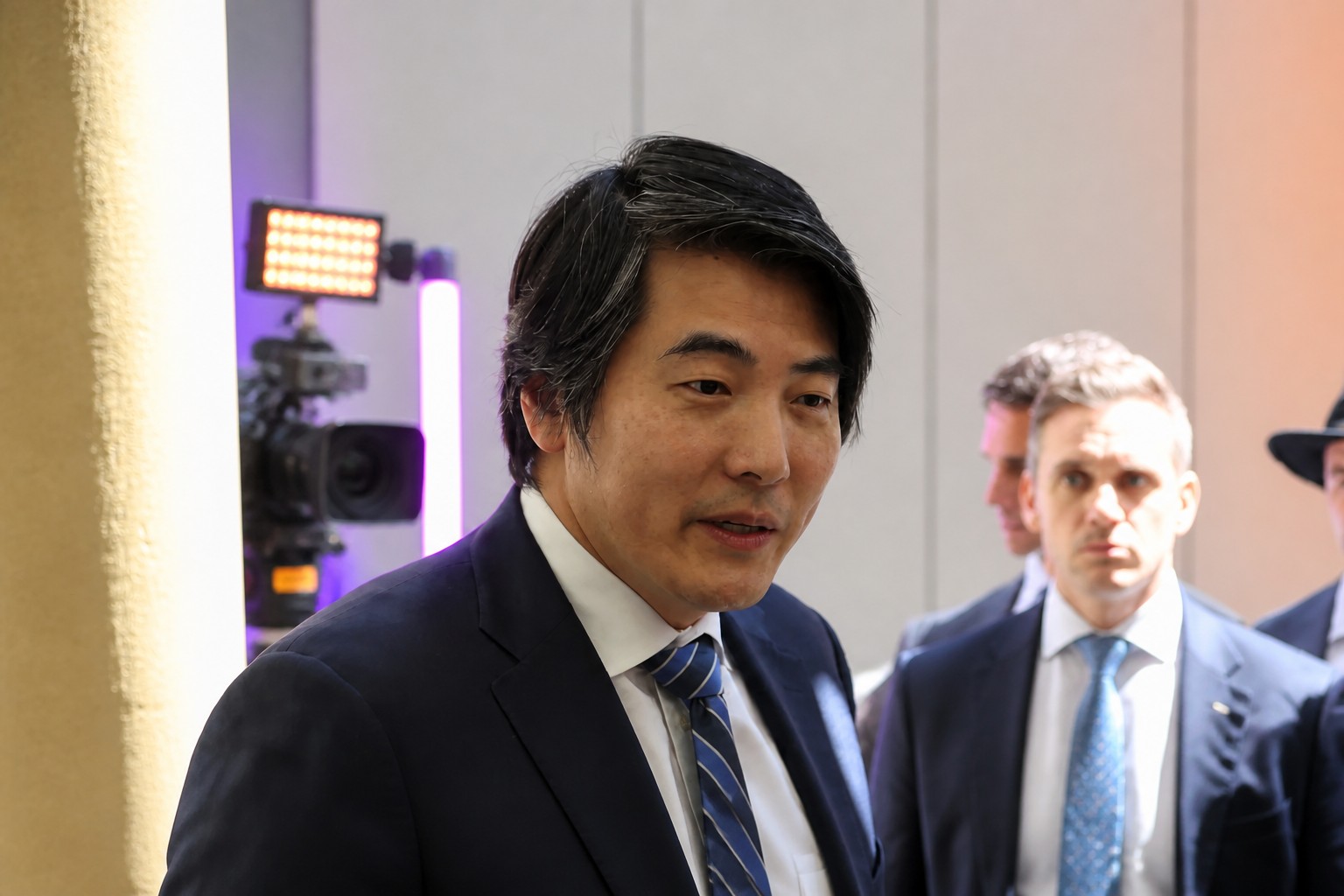
Anthropic’s special envoy, former US ambassador to Australia Jeffrey Bleich, said the company had explained how model training works and discussed how existing laws affect its ability to operate in Australia. Anthropic’s view is that current law requires AI companies to license every online item used for training. Bleich called that “technically impossible.”
The company wants to discuss how the government could encourage model training in Australia. Bleich argued that training models locally would give the country influence over their development; otherwise, he said, it would eventually depend on models built elsewhere.
That argument was challenged by rights holders and public broadcasters:
A separate test of trust
OpenAI also appeared before the committee. In a written opening statement, the company again apologised for its AI agents attacking several Australian government websites in June. It told the government about the incident by email to a public address three months after the breach.
OpenAI strategy director Jason Kwon said that during internal training and evaluation, models had accessed Australian government websites in a way the company had not intended. He said it should not have happened and that OpenAI should have responded better. The company regrets the incident and recognises it still has to rebuild Australians’ trust.
Kwon said he would answer questions about the breach and the changes OpenAI is making. After reports last week of another incident involving New South Wales’ National Parks and Wildlife Service, he promised that if the ongoing review finds further incidents, affected parties will be notified directly and promptly.
Anthropic safeguards lead Dave Orr said the company had reviewed hundreds of millions of model transcripts and found no unauthorised interactions with Australian government systems. But he could not say whether Anthropic customers had used its models to interact with those systems: the company follows a zero-data-retention policy.
The hearings run from Tuesday to Friday this week. Google and Microsoft were also scheduled to appear on Tuesday afternoon.
What the hearing leaves unresolved
I think the sharpest divide is not between local training and overseas models, but between who gets to set the terms and who pays to enforce them. An opt-out rule may sound like a simple way to protect creators, but ABC’s example shows how the burden could land on rights holders: the broadcaster says it cannot check every website carrying its material.
The testimony also leaves a gap between access and accountability. Anthropic found no unauthorised government-system interactions in the transcripts it reviewed, but its retention policy meant Orr could not rule on what customers had done. OpenAI, meanwhile, is promising direct notifications if its review finds more incidents after a delayed disclosure of the first one.
The committee is hearing arguments for local model development, workable copyright rules and compensation for creators. But the harder test is whether any proposed system can protect rights without making each artist or publisher responsible for policing the entire internet.
Daily AI news
Every day we pick what actually matters in AI and explain it plainly — no hype, no filler. Subscribe if you want to follow where the industry is going.
Only what matters — every day
Follow on X