
What Anthropic is building
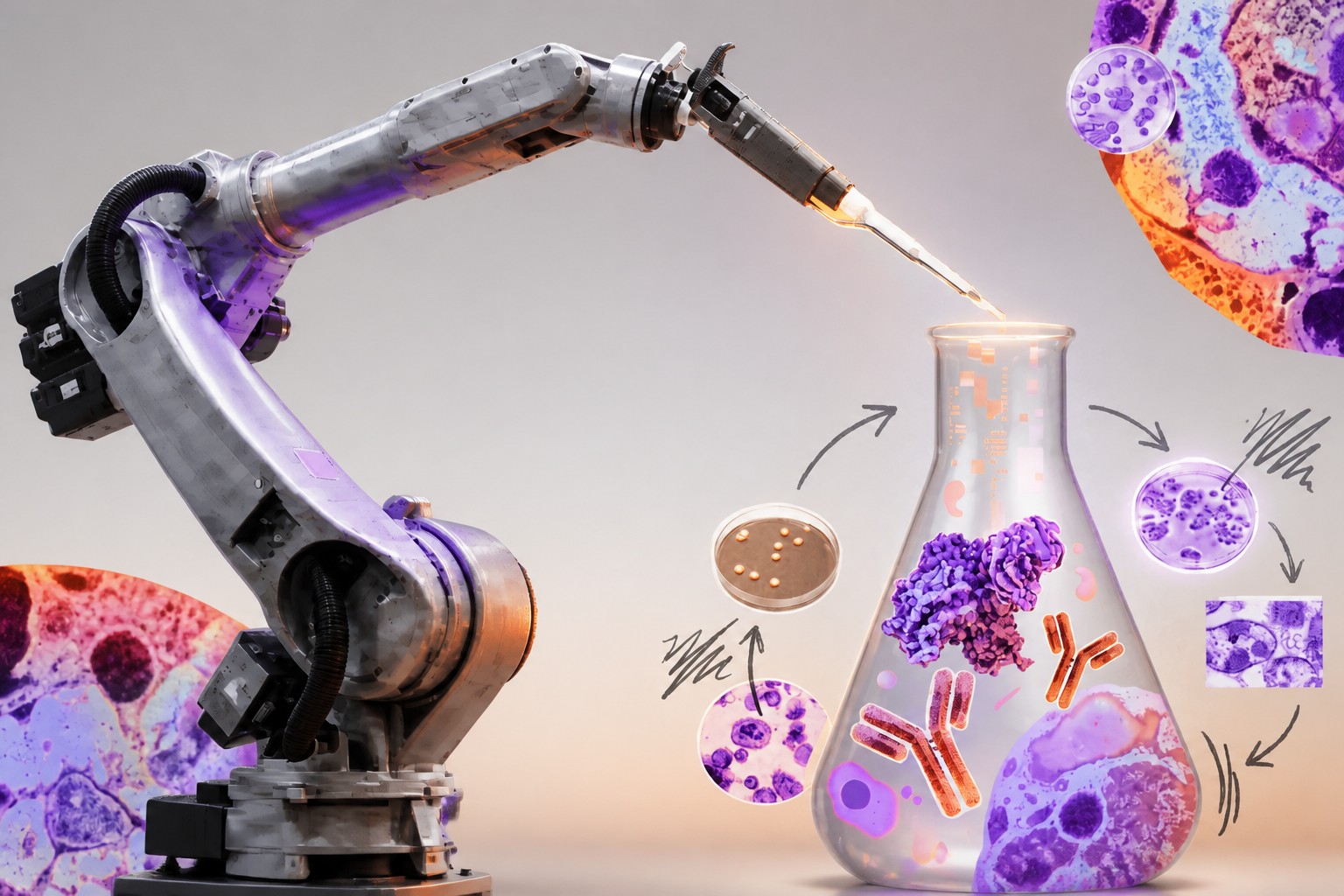
The lab is intended to run experiments for drug development, with Claude controlling robots during the work. Anthropic has already introduced two pieces of the proposed system:
Anthropic is not planning to conduct its own clinical trials for now, Reuters reports. The company wants to avoid directly entering the part of the pharmaceutical business handled by drug companies.
That boundary matters. The proposed lab would automate research activity, but it would not make Anthropic a pharmaceutical company responsible for taking a treatment through human testing.
The biotech push behind it
The laboratory follows two moves Anthropic made earlier this year. In April, the company acquired the startup Coefficient Bio for approximately $400 million. Vas Narasimhan, CEO of Novartis, also joined Anthropic’s board of directors.
Eric Kouderer-Abrams, who leads Anthropic’s biological sciences division, said the main opportunity is studying diseases long described as “untreatable” because no therapy exists for them. He said AI could accelerate the development of complex antibodies able to act on several targets at once.
The missing detail is the operating model
The announcement is quiet about the parts that will determine whether this is a working laboratory or an expensive demonstration: how much human intervention “minimal” actually means, what experiments the robots will run first, and how Anthropic will validate Claude’s decisions before equipment acts on them.
My read is that the more important product here may be the control layer, not Claude’s ability to generate biological hypotheses. Model Hardware Standard points toward an attempt to make laboratory equipment addressable by an AI system, while Claude Science supplies the researcher-facing environment. If that combination works, Anthropic is trying to turn a language model into an operator of physical research workflows.
But the company is keeping a human in the loop for safety and stopping short of clinical trials. That leaves Anthropic in an intentional middle ground: close enough to the laboratory to test AI-controlled experimentation, but not yet taking responsibility for a drug’s path to patients.
Daily AI news
Every day we pick what actually matters in AI and explain it plainly — no hype, no filler. Subscribe if you want to follow where the industry is going.
Only what matters — every day
Follow on X