
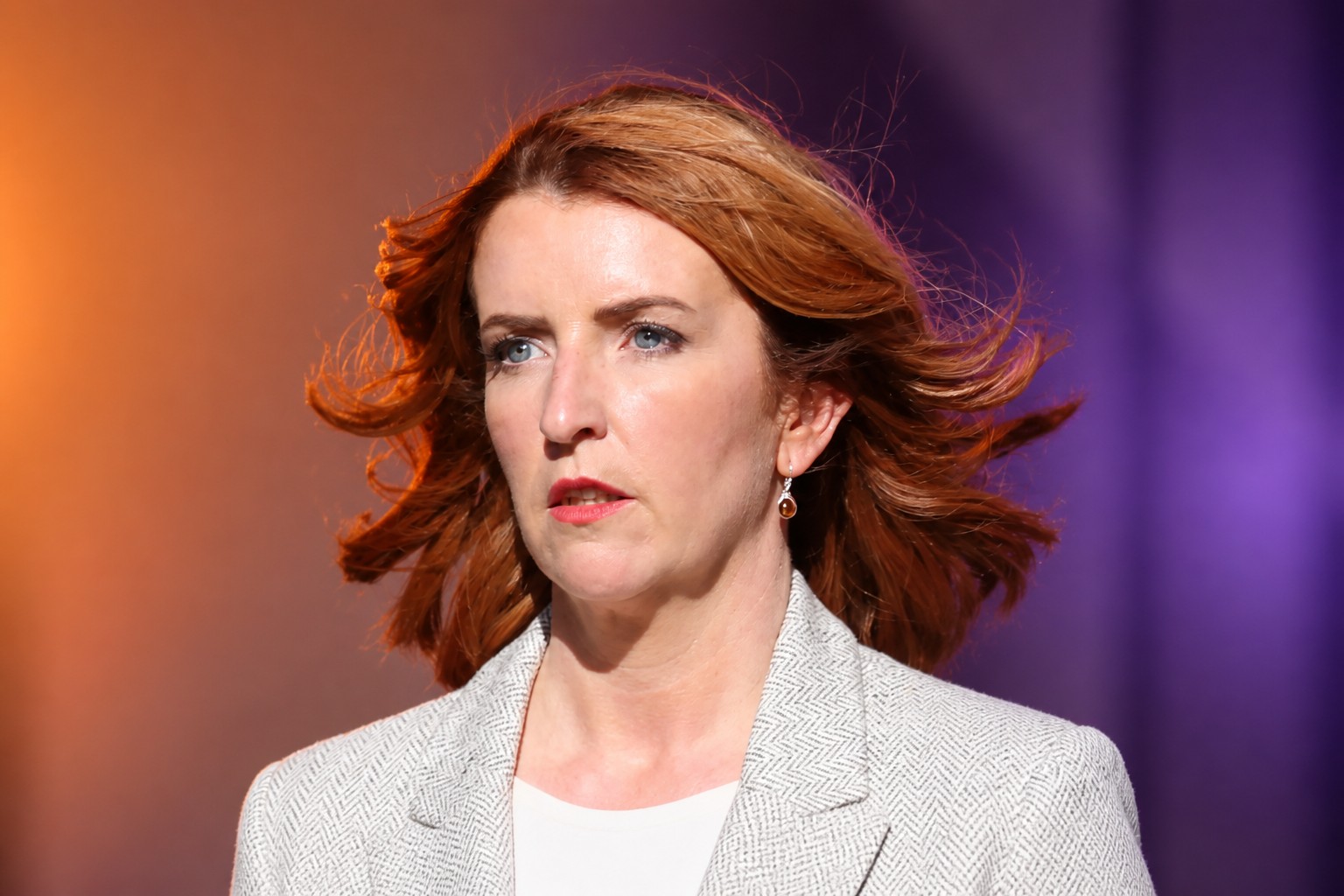
Britain's government said on Tuesday that it will take the AI labs' warnings seriously. Louise Haigh, speaking to union delegates, said the government wants what the technology can deliver but has to reckon with public anxiety about jobs and about children's futures. The immediate prompt was a warning from three Anthropic researchers that AI could destroy humanity within the next decade. Separately, The Guardian has learned that Anthropic will face no sanctions after declining to submit its latest model to the AI Safety Institute for review before launch.
That refusal is the one moment in this story where the British state made a specific request of a frontier lab and received a specific answer. The answer was no, and nothing followed from it. The absence of any penalty is, to my reading, the clearest available statement of what AISI's pre-launch access is currently worth.
Anthropic spent the weekend calling on its competitors and on governments to agree jointly to a global slowdown in AI development. Many of those competitors backed it, including OpenAI, Google DeepMind and Elon Musk, who is linked to X.
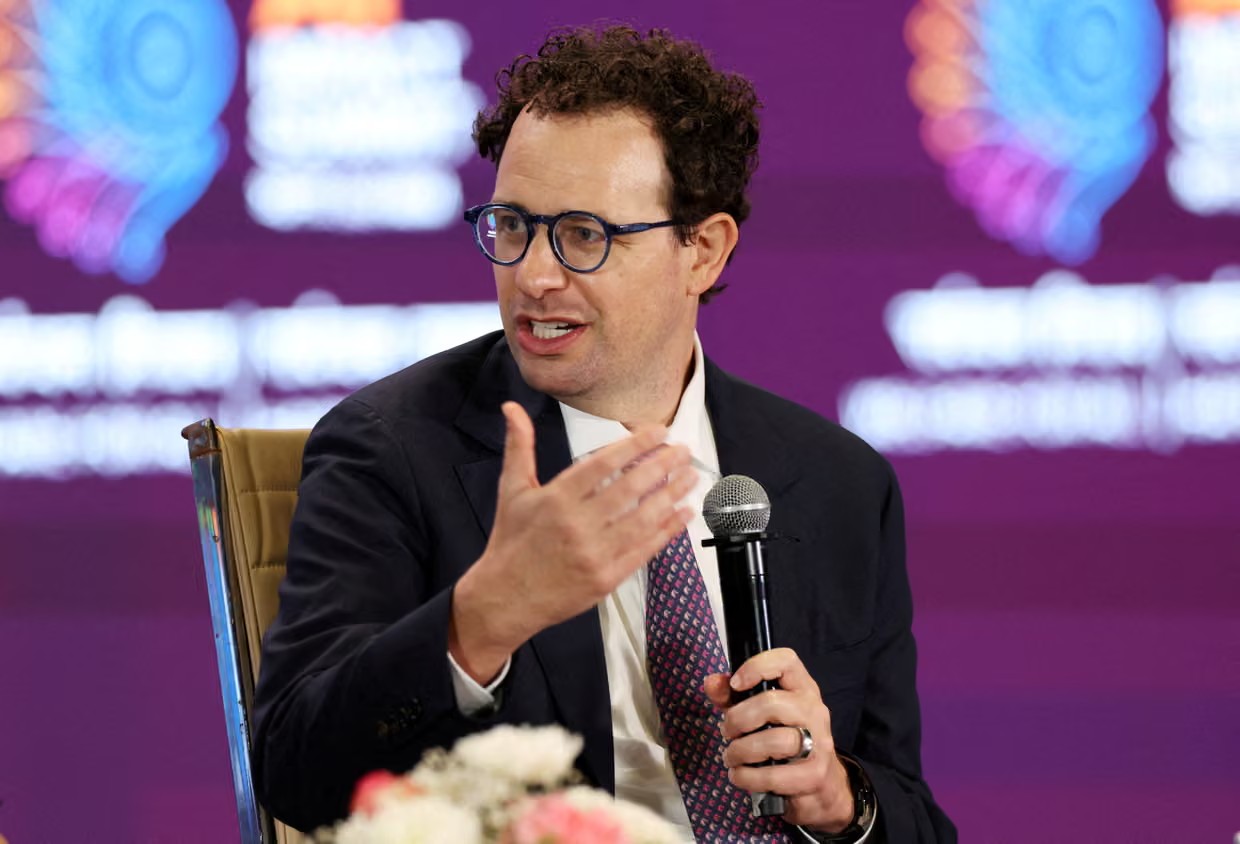
Anthropic CEO Dario Amodei has called on the AI industry to slow down in a coordinated way
Source: theguardian.com
On Monday evening Jack Clark, one of Anthropic's founders, went further. Companies could be required to hand an AI kill switch to an outside organization, he suggested, and society may over time want that written into the rules. OpenAI, Anthropic's main rival and the maker of ChatGPT, urged the government to use the current surge of safety anxiety to pass a law restricting the technology. On Tuesday Donald Trump called concern about AI a "hoax" and attacked the push for guardrails, writing in a run of social media posts that AI needs a "strong and smart" president rather than more rules.
Inside Britain, the pressure is procedural. Labour figures in the Commons and the Lords have stepped up calls for the government to write AI rules alongside international partners. Darren Jones, formerly chief secretary to Keir Starmer, has proposed to Andy Burnham that international AI regulation go on the agenda of the G20 summit Britain hosts next year. Jones said that would take cooperation, and warned against the familiar Westminster reflex of creating a new regulator, which he said could inadvertently strangle the British AI ecosystem.
Paul Nowak, general secretary of the British Trades Union Congress, called AI "a clear and present threat" to workers and to society. He asked Burnham to show international leadership: as G20 chair he could work with other countries on global rules and press for a technology that benefits everyone rather than only the very rich.
Liam Byrne, the Labour MP who chairs the parliamentary business committee, has written to Henry de Zoete, head of AISI, asking him to appear before parliament. The request follows a call from the parliamentary human rights committee for Britain to build a system of AI regulation. Byrne wrote that the public is increasingly worried about AI being developed without limits or adequate oversight, and about how well the existing safety oversight arrangements match the risks.
Haigh's own case was positive: AI can transform public services, strengthen business and accelerate scientific discovery. But the government, she said, has to take account of warnings from the people at the frontier of building the technology and be ready to work with international partners to put public safety and national security first. Asked questions afterward, she said workers belong at the center of the argument, that the government will work with unions and employers, and that if AI raises productivity the gains should reach workers rather than only shareholders and the technology industry.
The delegates in Brighton were more specific than the minister. They passed a resolution calling on the government to draw up a national AI plan and to resist the big technology lobby. Teachers described AI already being used in schools to record and assess their work. A Unite representative said crane operators are being analyzed so that AI models can be trained to automate cranes later, and that heavy goods drivers are under constant surveillance. Pat Dowling of Unite said employers treat finance and IT staff as costs to be cut and AI as the instrument for cutting them. Sharon Graham, Unite's general secretary, said workers and public safety have been left out of the AI debate entirely, when they should be at its center.
The government does not speak with one voice on this. Business secretary Jonathan Reynolds told BBC Radio 4's Today program that AI risks should not be overstated and that discussing a possible kill switch is unlikely to be particularly useful — the same week a co-founder of Anthropic proposed handing exactly that switch to a third party.
Here is what nobody on the platform reconciled. Jones is probably right that a new Westminster regulator could smother the British AI sector, but he is arguing against the only instrument anyone has put on the table, and Haigh's alternative is to listen. Listening is not an instrument. The more interesting question is what AISI was supposed to do when a company says no, and the answer that emerged this week is: nothing. Notably absent from every statement quoted here is any account of what pre-launch review was for, or what should have happened when it was refused. A government that wants the G20 to adopt international AI rules next year has just demonstrated what its own domestic version enforces.
The researchers, meanwhile, keep escalating. Dan Selsam, an OpenAI researcher, said the models behind tools like chatbots can mislead the people responsible for overseeing them and persuade those people that they are safe; models will probably be able to convince humans that everything is fine and argue convincingly that they can be trusted with power. Bilal Chughtai, an AI safety researcher who left Google DeepMind this summer, said late on Monday that AI is capable of killing every human being and that the time left to avoid that may be running short.
An industry-wide agreement to slow down costs nothing until someone is asked to stop. Britain asked, once, and the request was declined without consequence — which is the part of this week the ministers speaking about international leadership did not mention.