Apple has finally shipped the Siri it announced more than two years ago, and the model underneath it belongs to Google. iOS 27 is now available for iPhone 11 and later, plus the second-generation iPhone SE and newer, with a rebuilt assistant running on Google's Gemini models. It replaces a version held together by an expanded knowledge base and an unsteady ChatGPT integration, and it arrives after a string of delays that began when Apple introduced Apple Intelligence.
Source: techcrunch.com
A reviewer who has run iOS 27 as a daily driver since the public beta, after testing the developer beta on a second device, reports that the difference is large enough to change his behaviour. Before the update he had nearly stopped talking to Siri at all, which puts him in company with most of the installed base.
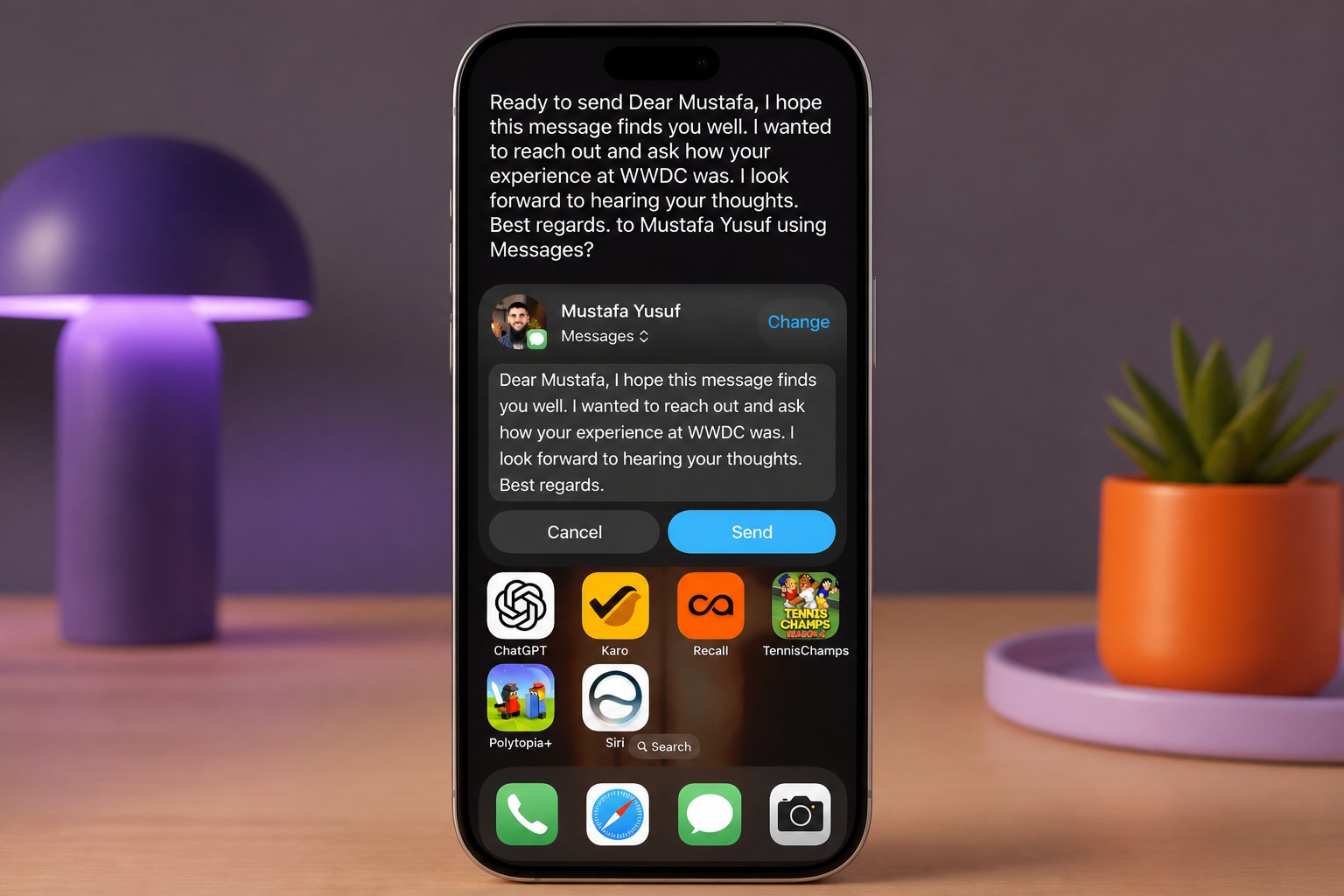
The capability that carries the release is multi-step work against personal data. Asked to find little-known iOS 27 features and put them in a note, the assistant did it well enough. It composes a message and sends it to a chosen contact. It draws on files, messages and email, so it can locate the thread about a delivery and then draft the return request off the back of it. Sports queries about World Cup matches, lineups and results came back mostly correct, with errors concentrated in the early developer builds.
Screen awareness is the other addition that earns its place. With two World Cup lineups on screen, the assistant will answer which player on the field is oldest. It reads screen text aloud when reading it yourself is inconvenient. On a startup's page it pulled out funding raised and the company's competitors.
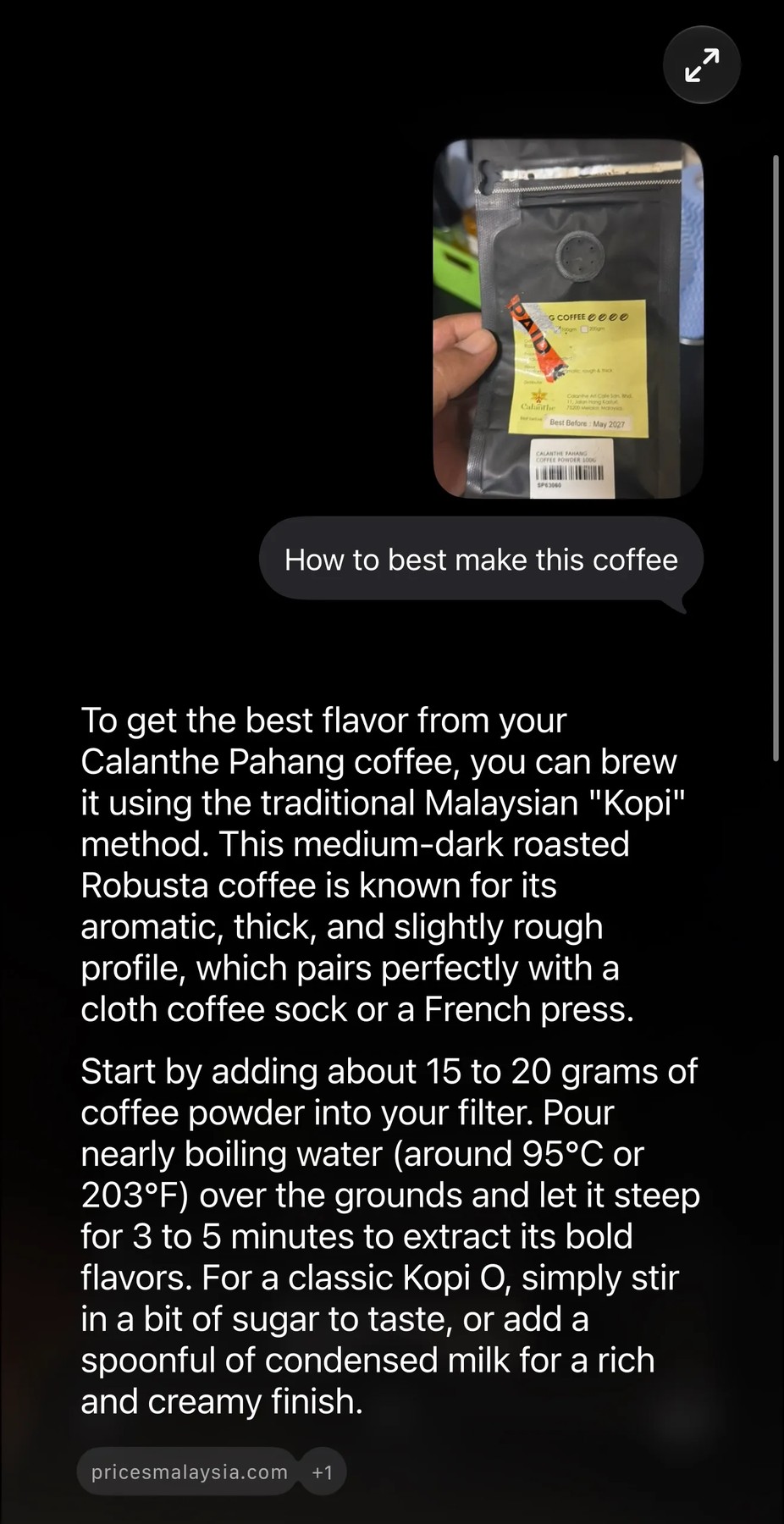
The Camera app now has Siri in it, answering questions about whatever is in the viewfinder. In a restaurant the reviewer asked what drink he was holding; the colour led Siri to guess green juice, and only after he specified an Indian restaurant did it narrow to jaljeera or aam panna. It was aam panna. Photograph the restaurant sign and it will pick dishes off the menu; photograph a bag of coffee and it will suggest a brewing method.
Source: techcrunch.com
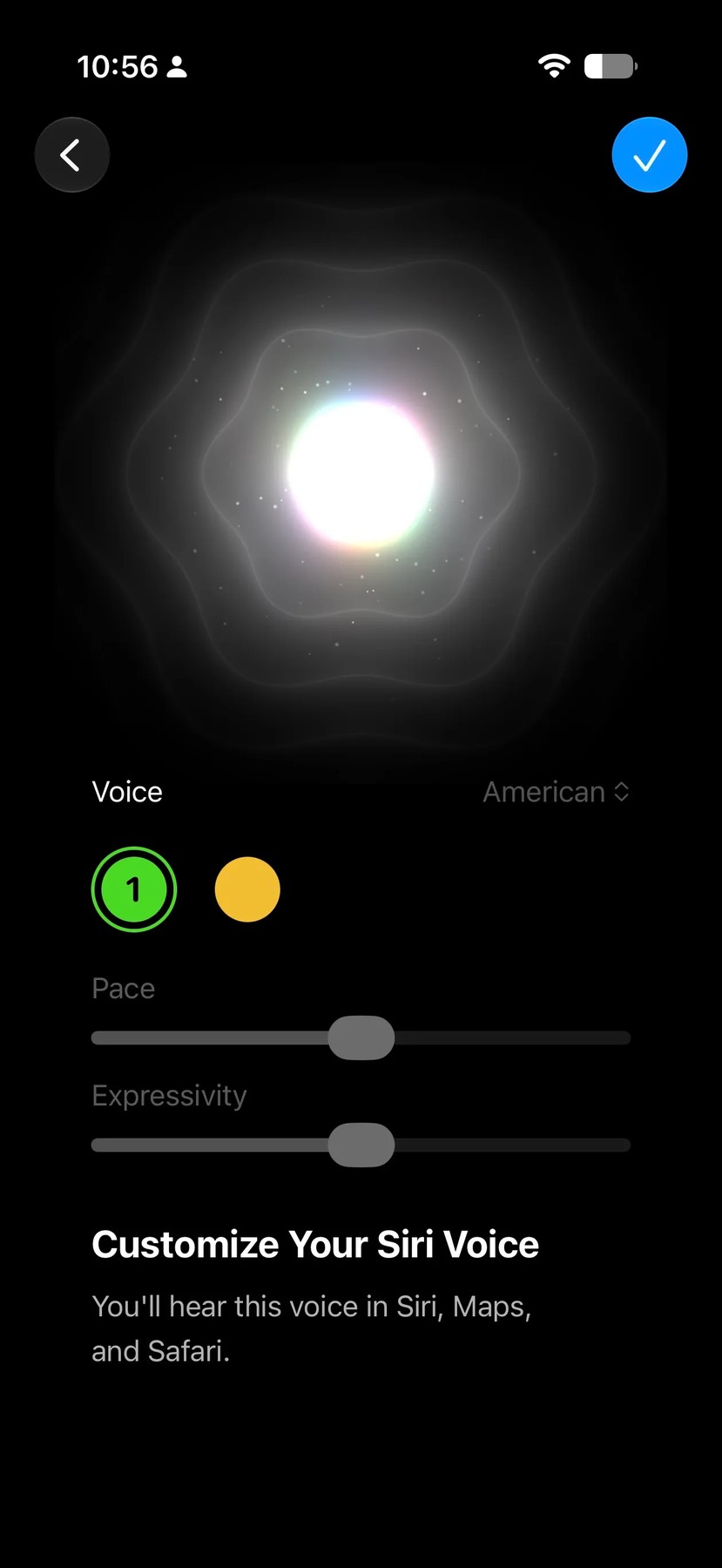
Siri's AI features now live in a dedicated app where previous chats can be reopened, and settings let users change the assistant's voice and expressiveness.
Source: techcrunch.com
One small detail from the hands-on is more revealing than any of the successes. Asked to search Reddit for new coffee roasters and beans and file the results in a specific note, Siri kept putting them in the wrong note — until the note's name was simplified, after which it became consistent. That is a user renaming their own data to suit the assistant. It is a reasonable workaround and a poor sign: the system is being met halfway by someone who knows to do it.
The larger unknown is the part Apple has made the centre of its argument. The new Siri is built to hand tasks off to third-party apps, and developers have not updated their apps yet. Until they do, nobody can say how smoothly the handoff works. That gap matters more than any feature in the release, because delegation inside apps is the entire reason to prefer an assistant welded to the operating system over one that lives in a chat window. On day one that reason is a promise, not a demonstration.
Apple Intelligence powers the rest of the AI surface. Shortcuts can now be built from a plain-language description instead of assembled by hand: show today's to-do list every morning at 8:00, convert a photo to JPEG, convert selected photos to JPEG and send them by AirDrop. Steps can be added afterwards. The reviewer used it to build something he had wanted for years — a shortcut that identifies a track through Shazam and saves the title together with the location, so songs heard in bars accumulate into a list. Safari gained custom notifications for page changes, useful for blogs, product prices and privacy policies. Photos picked up reframe and expand tools that work unevenly, and object removal that leaves fewer strange artefacts than before.
Two other items are filed alongside those as if they were of the same size. Apple Intelligence can recognise an event or a place inside a message and offer to add it to Calendar or Notes. And the Passwords app can now change passwords on its own, logging into the site as the user. The second one is the largest delegation of authority in this release — software authenticating as you, on your accounts, without you watching — and it is presented in the same tone as a cropping tool.
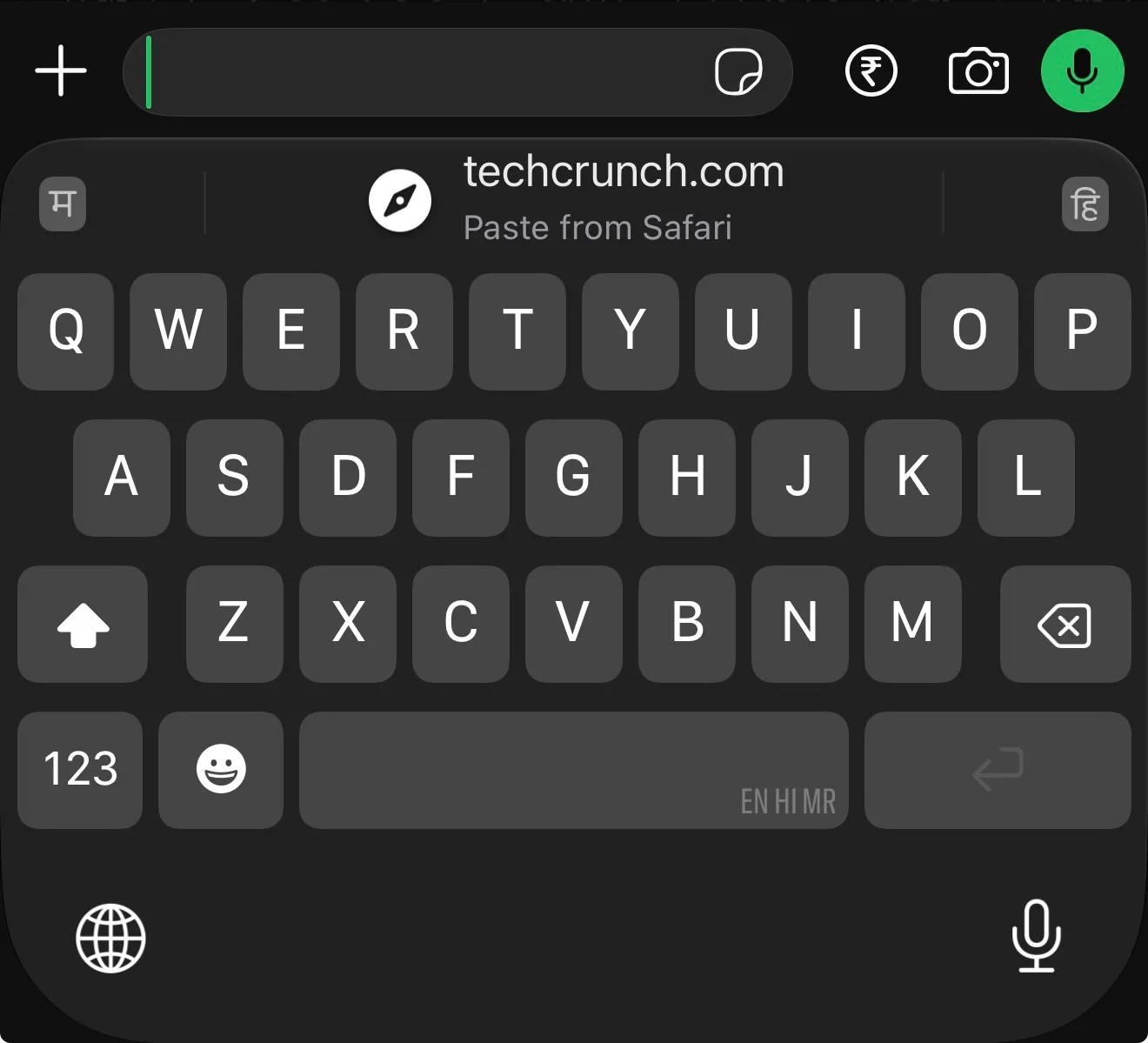
Away from AI, the most useful change is the clipboard. Copy a link, photo, video or piece of text and the keyboard offers a button along the lines of "paste from Safari" to carry it into another app.
Source: techcrunch.com
Apple also answered the complaints about Liquid Glass: transparency is now adjustable on a continuous scale rather than a handful of presets, and the control behaves smoothly. Intelligent network switching moves the connection to cellular data when Wi-Fi is struggling, without an interruption the user notices.
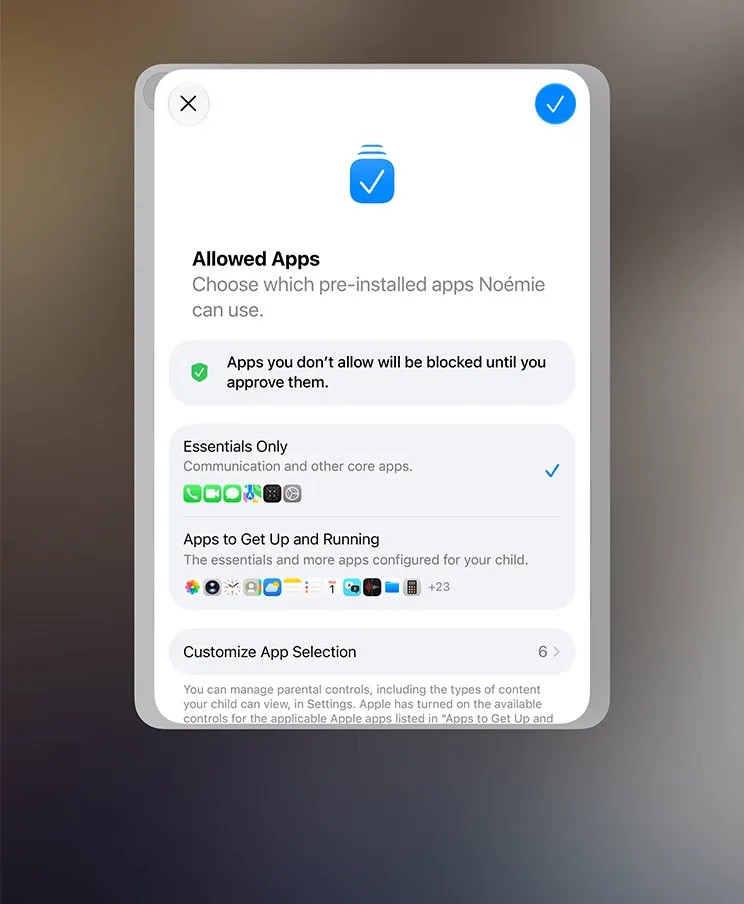
Child safety got the most structural attention of any non-AI area:
the system recommends the necessary apps automatically during initial setup;
parents can set schedules, time limits and permitted actions for different days of the week;
adults are notified when children visit new sites and can approve access remotely;
nudity appearing in Messages, FaceTime and other apps triggers a warning.
Source: techcrunch.com
Outside Siri, iOS 27 has few large additions; it mostly makes routine things shorter. The behavioural change is the finding worth holding onto. The reviewer now asks Siri questions he would previously have put to ChatGPT or Gemini, even though he does not spend much time in Apple's Messages and Mail.
Look closely at which queries moved, though. They are general-knowledge questions — exactly the ones Gemini was already answering, and is still answering, because Gemini is what is answering them now. Apple has not taken those queries back from Google. It has rerouted them through its own interface while Google keeps serving them, and collected the habit rather than the capability.
That is a real asset, and a narrow one. Two years of delay cost Apple the period in which hundreds of millions of people learned to open someone else's app to ask a question. What it owns now is the interface layer over a competitor's model, which holds for exactly as long as the layer is worth more than the model underneath it.