
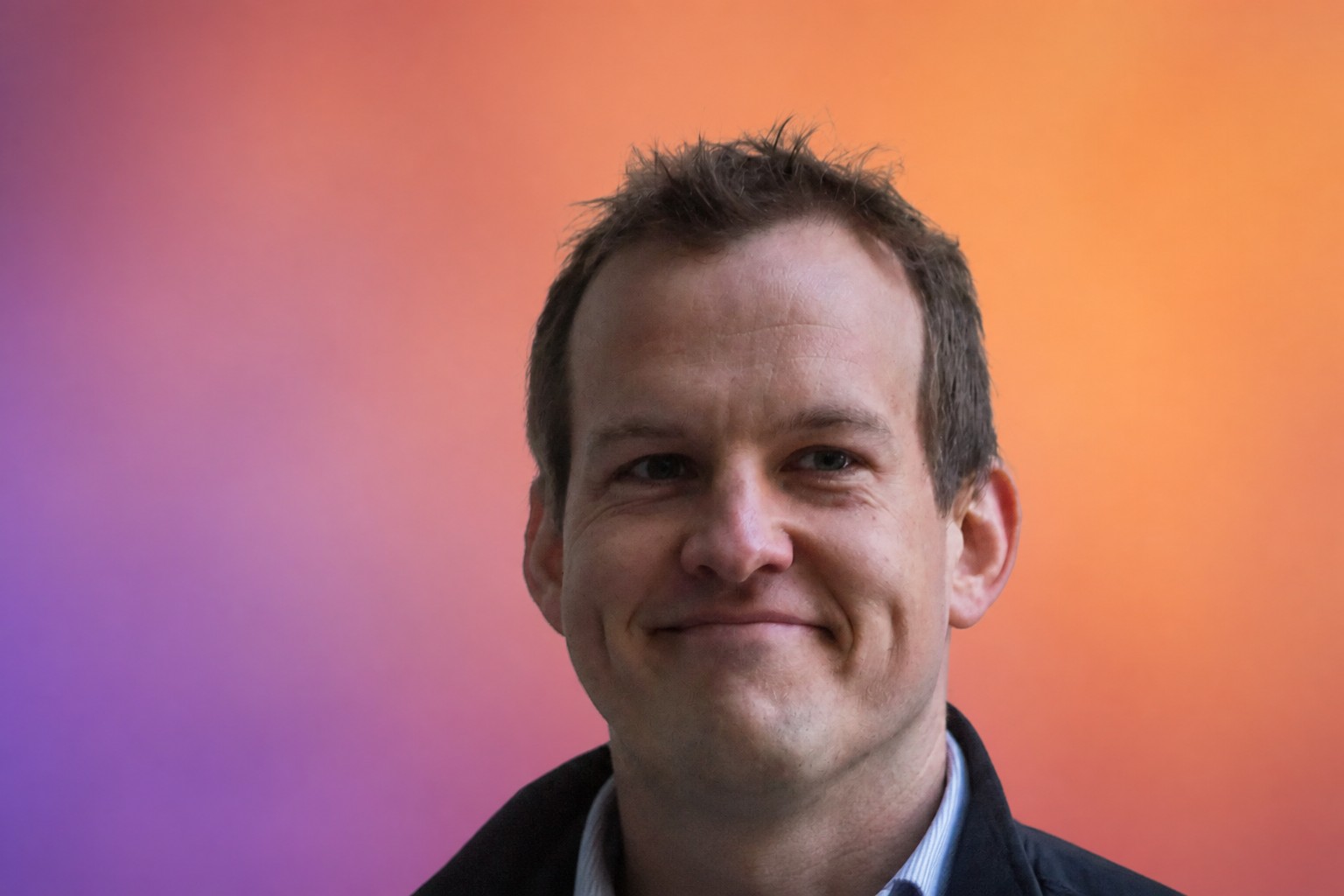
Clifford, who has led the British research agency Aria since 2022 and shaped much of the country's AI policy, announced his resignation on Monday after taking a position at Anthropic. He said he did not want the new job to draw attention away from Aria's work, and will stay in post until 6 November under the conflict-of-interest safeguards already agreed. The resignation followed a complaint from Chi Onwurah, chair of the House of Commons science, innovation and technology committee, who called the situation a clear conflict of interest in a letter to AI minister Kanishka Narayan.
Anthropic's position before the resignation was that Clifford would take no part in Aria matters involving the company, and that this arrangement had been agreed with the government. It did not survive contact with the committee. The reason is instructive: the objection was never that Clifford would steer a specific grant toward Anthropic. It was that the head of a public research agency having a private employer in the industry that agency funds is a structure, not an incident, and recusal does not change a structure.
Onwurah welcomed the resignation but said the questions do not close with it. She wants to know how the situation arose in the first place, what conflict-of-interest checks were carried out, and what measures are meant to preserve confidence in how Aria is run. Those are process questions, and they are the right ones. A resignation removes a person; it does not tell you whether the screen that let the appointment through has been fixed.
Beeban Kidron, an independent member of the House of Lords and a persistent critic of the government's AI policy, also backed Clifford's decision, saying that restoring trust in government requires a clear separation between the interests of technology companies and those of citizens and the country.
Clifford's move re-opened a pattern the UK has now repeated at the highest levels of office. Former prime minister Rishi Sunak has taken roles at Anthropic and Microsoft. Former chancellor George Osborne works at OpenAI. Before them, Nick Clegg held a senior position at Meta, which he kept until 2025. Tom Brake, executive director of the non-profit Unlock Democracy, has argued that handing a private company deep knowledge of an area as sensitive as AI policy soon after leaving government can weaken the state's own position — specifically its ability to push a cautious approach to AI development.
Clifford's career explains why his case landed harder than the others. He is 40. He began in the private sector and co-founded the venture firm Entrepreneurs First before becoming a figure of real weight in British technology. He took over Aria in 2022, was one of Sunak's key advisers, helped organise the 2023 UK AI safety summit, and helped build the body that became the world's leading AI Safety Institute. He then became Keir Starmer's AI adviser in January 2025 and left six months later for personal reasons.
That biography is the actual asset Anthropic is acquiring, and it is why the revolving-door framing is too soft here. Sunak and Osborne left office carrying general political access. Clifford carries something narrower and more valuable: the design intent behind the UK's AI institutions, including the safety institute and the summit process, and a working map of which levers in Whitehall move and which are decorative. That is not lobbying leverage. That is knowing, in advance, where the regulatory load-bearing walls are.
What nobody in the exchange addressed is the 6 November date. Clifford stays in the job for another seven weeks while holding a position at a company Aria's decisions can touch, under safeguards the government agreed to when it still believed those safeguards were sufficient. If recusal was inadequate on Monday, it is unclear what makes it adequate for the transition period — and nothing in the resignation statement explains why.
The story also ran into a louder argument on the same day. On Monday, Geoffrey Hinton returned to the dangers of the race toward ever more powerful systems, backing a bill due to be introduced in the British parliament on Tuesday that would prohibit the creation of artificial superintelligence. Hinton warned that losing control of an AI more intelligent than humans could end in the extinction of humanity.
The two stories are usually told as different beats, but they meet at the same point. A parliament considering whether to outlaw a class of system is a parliament whose independence from the companies building that class of system is the whole question. Britain built its AI institutions — Aria, the summit, the safety institute — with people the AI industry has since been hiring. The bill will be judged on its text; the institutions will be judged on who is left to enforce it.