
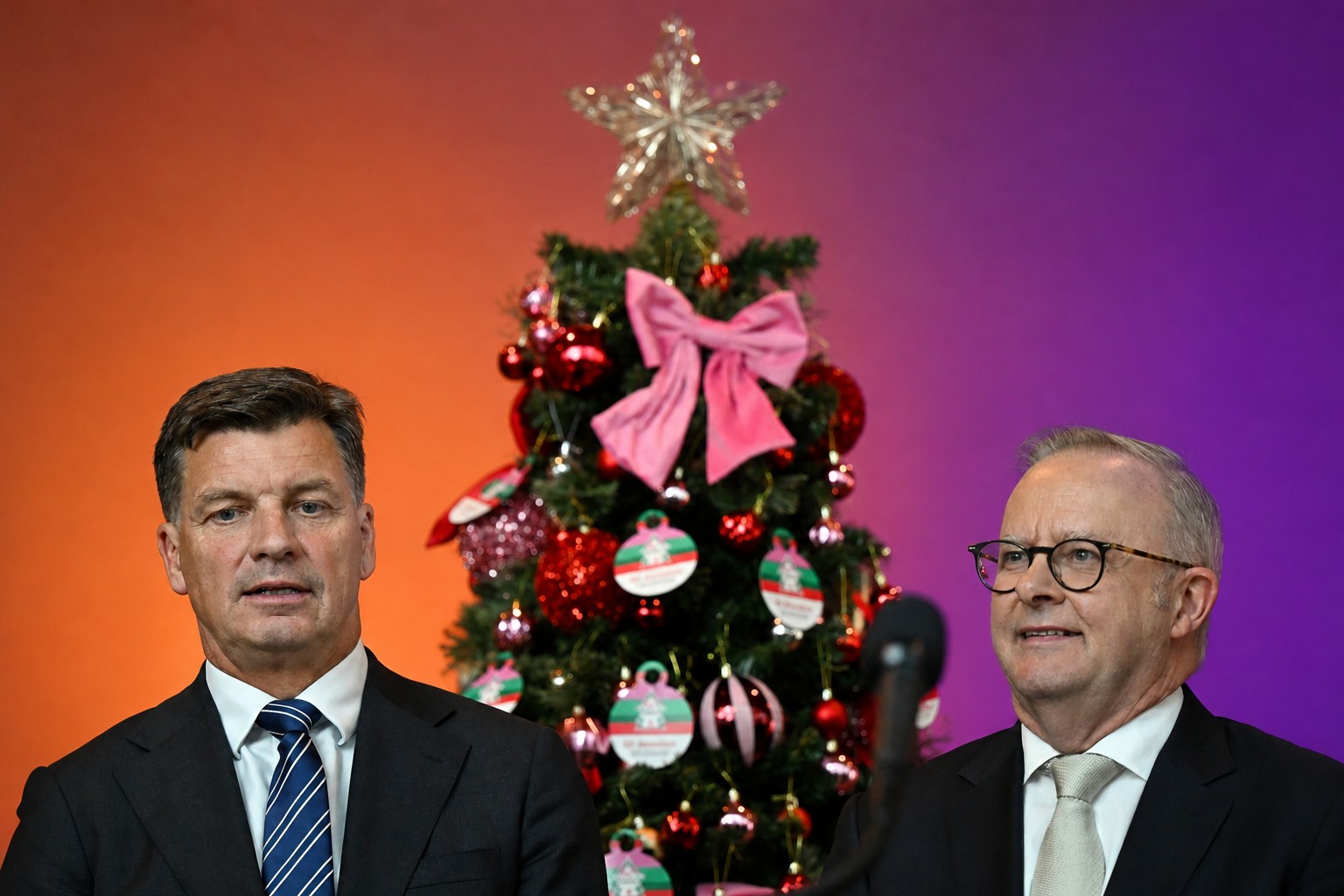
In the last four working days of Australia’s Parliament in 2026, the government wants to pass a series of reforms, but the outcome of negotiations remains uncertain. A report from the joint parliamentary committee on AI is expected on Monday. It could show how the Labor Party plans to regulate data centres, their energy use and the use of copyrighted works to train AI. The report will also indicate whether bipartisan agreement on the issue will hold.
Australian Parliament prepares new rules for AI and copyright

Source: theguardian.com
Negotiations before the recess
By Friday, Parliament is due to consider several measures that remain stalled in the Senate: reserving gas for the domestic market, changes to trust and capital gains tax rules, a digital duty of care bill and amendments to private health insurance. Labor representatives hope to pass some of them. Anthony Albanese’s return to domestic politics after a trip to Manila and Shenzhen is expected to speed up negotiations.
Labor believes it is close to an agreement with the Coalition on gas. On other issues, the Greens are seen as a more likely partner. But neither the Greens nor the Coalition intends to help the government secure a quick win. One Greens representative suggested that only a few bills might pass in a week.
Liberal Party deputy leader Jane Hume said on Friday on the Australian Politics podcast that she welcomed “movement” on gas: Labor had promised an exemption for Western Australia, which the Coalition had sought. Hume said the government could still do more, particularly on long-term supply.
Talk of a possible phase-out of gas, which the Greens are seeking, is seen by both the Coalition and the Greens as a way to pressure Angus Taylor and unsettle business. An agreement between Labor and the Greens on fossil fuels is not expected at this point.
On the digital duty of care bill, tax measures and private health insurance, the Greens’ positions are closer to the government’s. Both parties say publicly that negotiations are not over, and each says the other side must make the next move. The Greens have long signalled that they are in no hurry to compromise on capital gains tax and trusts. On private insurance, they are broadly content with the status quo, so they may push for the amendments they want.
Proposed amendments
An agreement on the digital duty of care bill looks likely. In a parliamentary committee report published on Friday under a Labor chair, the government was advised to adopt one of the Greens’ key amendments: allowing individuals to take major technology companies to court themselves.

Aria awards: how do Australian artists feel about their music being used to train AI? – video
Source: theguardian.com
The Greens are also calling for higher penalties, a regulator to oversee major technology companies and additional restrictions on gambling. Labor wants to pass the bill and says it is open to discussing amendments.
The dispute over copyright and AI
The joint committee on AI’s report, expected on Monday, could set out the government’s approach to two contentious issues: data centres and payments to Australian creators when AI companies use their work. It will also show whether AI policy remains broadly bipartisan or whether disagreements split the major political forces.
Last week, the music industry was stunned by reports that Labor was considering a music exemption from the licensing system for AI companies. The reports appeared the morning after the Aria Awards, where Elton John, Tim Minchin and other well-known musicians backed the Not AI’s To Take campaign.
Many people in creative professions doubt that the government seriously considered such a proposal. But senior Labor figures are speaking more insistently about shortcomings in copyright law, even as major rights-holder groups reject the need for change. Richard Marles, Tim Ayres and Michelle Rowland have opposed keeping things as they are. That may indicate the direction the party is heading.
Two weeks ago, Liberals Jonathan Duniam and Aaron Violi said AI was too important to turn into an excessively partisan dispute. But shadow attorney-general Michaelia Cash called a possible music exemption a crude tactic and said property must not be “stolen.” Influential Liberal MP Garth Hamilton called AI companies’ use of works outright theft and proposed introducing a levy on them. Former National Party leader David Littleproud wrote on social media that Anthropic could pay creators for using their work and should not let large AI companies intimidate them.
AI as a foreign policy issue
On Tuesday, Foreign Minister Penny Wong will deliver a major speech in Parliament on AI, foreign policy and national security. According to advance materials, she will say that AI development should not encourage speed at the expense of caution, and will call for joint international work that Australia wants to help shape.
Wong also plans to speak about trust between countries, cooperation during disruptions and the need to match international measures to the power of this technology.
Dataist’s take: The committee’s report could indicate whether AI regulation will become an area of agreement between parties or part of a dispute over copyright and the interests of creative workers. Parliament is discussing several measures at once, while the timing and substance of future rules for AI companies remain unclear.
Daily AI news
Every day we pick what actually matters in AI and explain it plainly — no hype, no filler. Subscribe if you want to follow where the industry is going.
Only what matters — every day
Follow on X