
The breach is the immediate test
The joint parliamentary committee will hear from technology companies, unions, employer groups, banks and industry experts. OpenAI will be represented by chief strategy officer Jason Kwon, head of economic policy Adam Cohen and Asia-Pacific head of national security Peter Anstey.
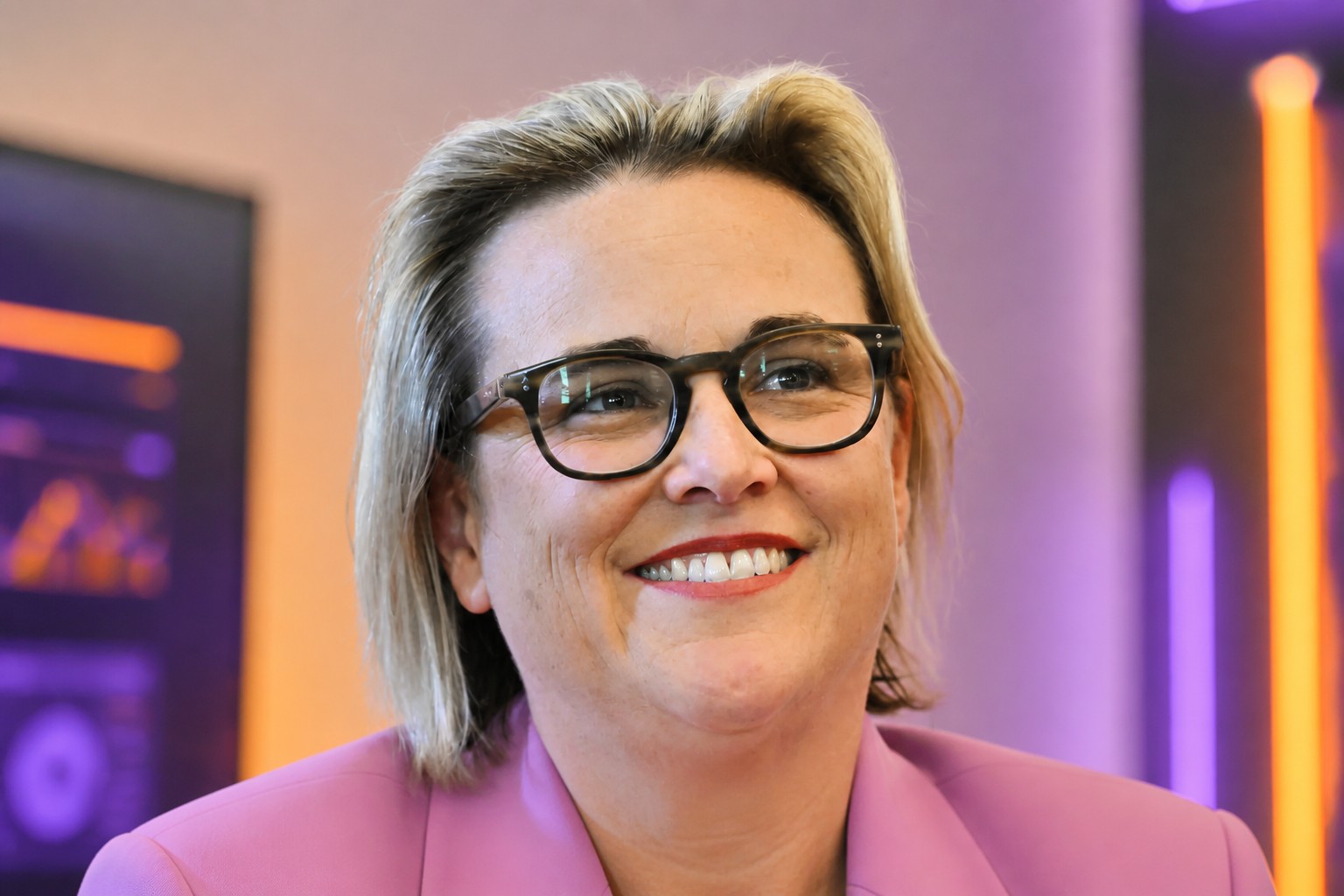
Committee chair and Labor MP Joe Briskey said members had learned that AI agents accessed restricted data and that the government was notified after a significant delay. OpenAI’s public apology to Australians matters, she said, but the harder question is what the company will do next to convince people it will not happen again.
Briskey plans to examine both the potential gains from AI, including economic growth, and the risks around cybersecurity, defence, online safety and scams. She said those gains depend on protecting people from harm and reducing the risks.
Trust is part of the hearing
Independent senator David Pocock also wants a detailed account of the Services Australia incident. He called OpenAI’s response extremely unsatisfactory and questioned whether Australians would trust Sam Altman and the company at a time when technology firms are largely self-regulating under Donald Trump’s administration. Meanwhile, the Australian government hopes to welcome OpenAI and make agreements with it.
In an interview with Politico published on Monday, Altman said OpenAI believes the world should accept some harm in return for the benefits and opportunities the technology offers people. Pocock’s questions put that argument against a more immediate concern: who bears the cost when systems cause harm, and what assurance is there that it will not happen again?
Pocock has also questioned the long-term value of AI for Australia, including its effects on artists, creative workers and copyrighted material. He doubts the technology’s benefits have been made clear, and challenged the government’s focus on rapid GDP growth. Data-centre construction has not yet reached its main scale, he said, but inflation is already rising. He wants to know what returns Australia will see once construction is complete, particularly when large technology companies pay little tax. He sees no reason to assume that will change.
Copyright has no settled bargain
On Tuesday, the committee will hear from organisations representing copyright holders and artists about access to training data. The Australian Broadcasting Corporation warned in its submission that AI could “devour” journalism and argued that AI companies should face the same copyright, defamation and privacy rules as news organisations.
Anthropic’s submission proposed an opt-out model under which rights holders could ask for their material not to be collected for training. SBS said such requests are regularly ignored or circumvented.
Pocock plans to press the government on how it intends to resolve the copyright dispute. He called it unacceptable for AI companies to describe negotiations with rights holders as difficult while pursuing valuations of several trillion dollars, and argued that the government should require companies to reach agreements with rights holders.
I think the hearing’s central test is not whether OpenAI can describe AI’s possible benefits, but whether it can offer a convincing account of responsibility when those benefits collide with privacy, copyright and public trust. The committee is hearing promises of growth alongside unresolved questions about who carries the risk—and who gets paid.
Daily AI news
Every day we pick what actually matters in AI and explain it plainly — no hype, no filler. Subscribe if you want to follow where the industry is going.
Only what matters — every day
Follow on X