
Australia’s music industry has rejected a proposal under consideration by the government to exempt music from rules that would allow AI companies to train on other copyrighted material. Annabelle Herd, head of industry association Aria, called the scheme unworkable and said musicians would not leave writers and other creators without support. The creative workers’ union, opposition representatives and the Greens have also opposed the idea. The details of any potential proposal could not be independently confirmed.
Australia’s music industry opposes special treatment for AI
The debate over permission to train AI
The Australian Financial Review reported that the government is considering allowing AI companies to train models on Australian material if they buy permission to do so. Music could be excluded from the scheme. Such an approach would be closer to ideas put forward by AI companies themselves: Anthropic proposed conditional permission to collect material unless the rights holder objected, while OpenAI told a parliamentary committee that it might be willing to contribute to a fund for creators.
Guardian Australia could not independently confirm the details of the plan. One creative-industry representative involved in copyright talks with the government had heard about some elements of the idea. Other sources had received no such information and doubted that Anthony Albanese’s government was seriously considering the option. An unnamed source in the AI industry said they would support the plan.
Herd said she had not heard about the proposal until Thursday. If the music industry had been asked, she said, it would have called the scheme unnecessary and technically unworkable: it would serve AI companies’ commercial interests rather than protect creators. Aria, Herd added, continues to support other parts of the creative industries and the media.
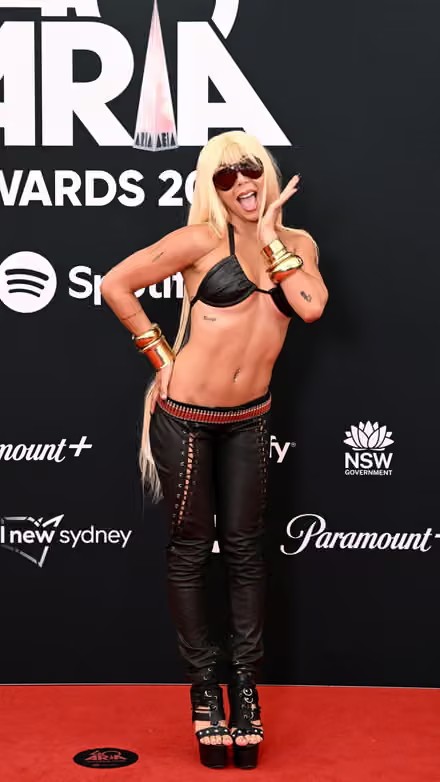
Aria awards: how do Australian artists feel about their music being used to train AI? – video
Source: theguardian.com
Why an exemption would be difficult to apply
Herd and Claire Pullen, head of the Australian Writers’ Guild, pointed to a practical problem: films and television shows combine music, video and scripts that are protected by copyright. If one of these components were exempted from AI data-collection rules, it would be difficult to determine how to treat the work as a whole.
Pullen also noted that AI companies had had years to negotiate with creative industries. Work on a model with the government has been under way since 2024, she said, while technology companies had refused to discuss the proposed solutions.
Pullen and Herd said the creative community would remain united. This week, it launched a major campaign on AI. The Media, Entertainment & Arts Alliance also said it was concerned about the possible plan and called for Albanese’s promised protections to cover all creative industries.
Prime Minister Albanese has previously said that using creators’ work without payment would be theft and that artists should be compensated. Some AI companies, however, have argued that negotiating separate licensing agreements under current law is too difficult.
Government points to gaps in the law
Representatives of the governing Labor Party declined to comment on the report. In recent days, however, several senior politicians have spoken more often about shortcomings in copyright law in the age of AI. Groups representing major rights holders, by contrast, reject the need to change the rules.
On Tuesday, Industry Minister Tim Ayres said the current situation was not working for creative workers. Acting Prime Minister Richard Marles reiterated that position on Thursday, adding on News24 that people were being robbed.
Attorney-General Michelle Rowland promised Australian creators certainty and reliable protection. Her spokesperson said Australian creators’ work was currently being used without their consent or payment. The government has long urged technology companies to enter into commercial agreements with Australian creators, the spokesperson said, and would continue to do so.
Political opposition
The proposal to put musicians in a separate category has also failed to win support among parliamentarians. Shadow Attorney-General Michaelia Cash said the plan would divide rights holders and that all property owners should have the same right to protection from its unlawful use.
Independent Senator David Pocock also described the idea as an attempt to divide rights holders. He noted that a joint parliamentary committee had yet to submit its report to the government, even as rumours were already emerging about the cabinet’s plans.
Greens Senator Sarah Hanson-Young urged the government not to give in to demands from big tech companies. The proposed weakening of copyright law would affect the whole world, she said, and Australia risked becoming “the Cayman Islands of AI” if it allowed such a loophole.
Dataist’s take: the dispute is about more than potential payments to musicians. The proposed system covers material in which music, video and text rights may overlap. The government has yet to present a final plan, and the parliamentary committee has not yet submitted its report.
Daily AI news
Every day we pick what actually matters in AI and explain it plainly — no hype, no filler. Subscribe if you want to follow where the industry is going.
Only what matters — every day
Follow on X