
From Stattic to Spacefast
The project is led by Batuhan Iköz. He began working on it during an Automattic hackathon early in the year, while working on Beeper, a cross-platform messaging app. Friends without technical backgrounds sent him links to projects they had created with prompts and hosted on Vercel. Iköz decided there should be an easier way to launch such projects and began developing a service called Stattic, later renamed Spacefast.
Automattic already had infrastructure, including a content delivery network that could be used instead of Cloudflare. Iköz first shared the solution with friends, then added features to expand its capabilities.
In September, the company launched Spacefast in a limited release to gather feedback. It was used for internal mockups, slide shows and sites featuring proposals. Spacefast also faces competition beyond Lovable and Emergent: Figma, Canva and Notion are also releasing products at the intersection of prompt-based app creation, mockups and presentations.
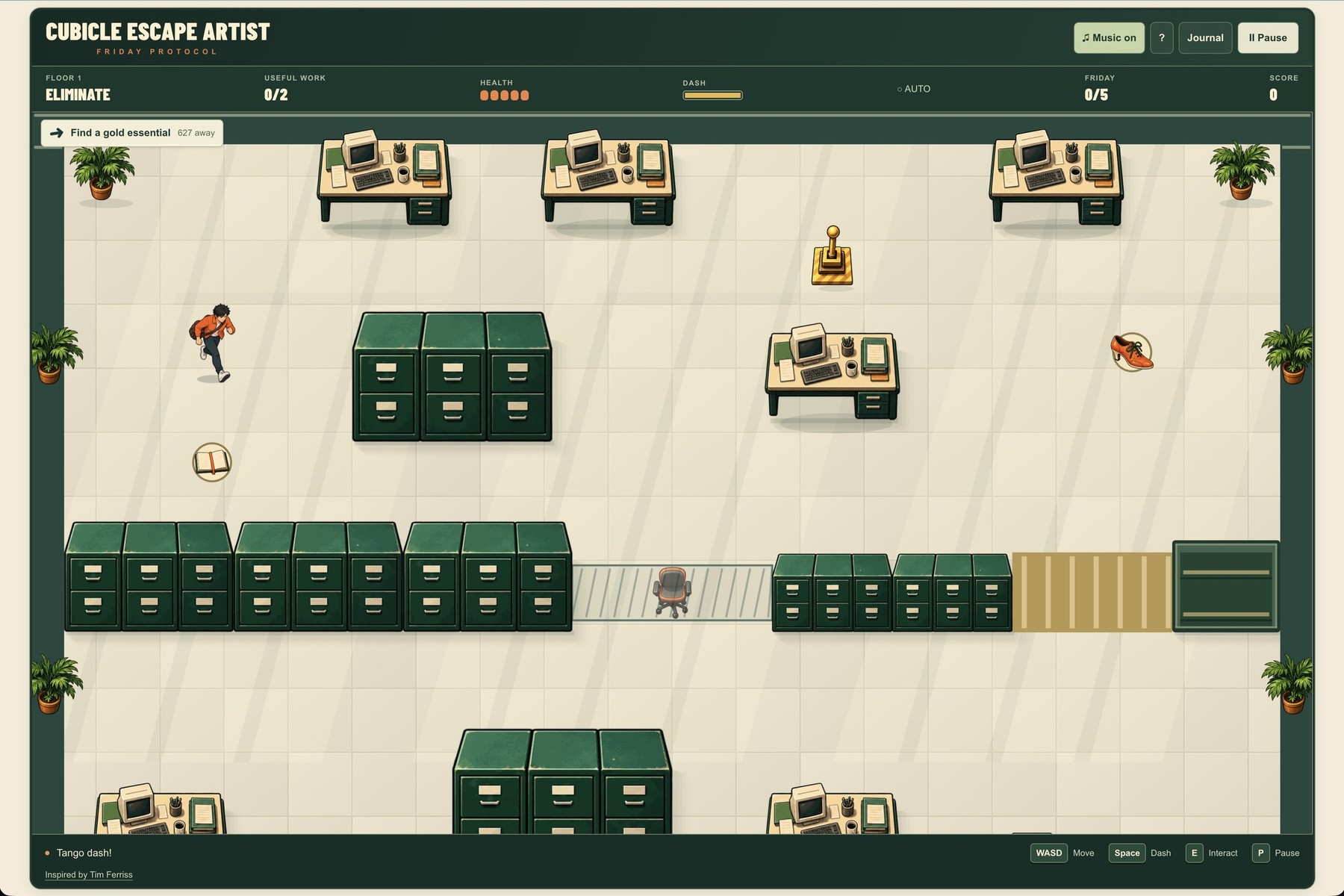
An Office-themed game on Spacefast Image Credits: Spacefast Image Credits: Spacefast
Source: techcrunch.com
Choice of tools and enterprise customers
Users can connect ChatGPT, Claude, Hermes, OpenClaw, Grokbot, Muse, Pi, Cursor, Opencode or Amp to Spacefast. Another option is to connect the service to a Git repository.
Iköz says Spacefast differs from Lovable by letting users choose an AI agent and decide for themselves how to work with the service. But that level of choice does not suit everyone: some users prefer a product that is already configured for them.
Spacefast could also draw on other Automattic products: the company expects it to be easier to add web analytics, WordPress integration and e-commerce features through WooCommerce. For enterprise customers, Iköz said, a key issue is the growing number of IT services. Marketing teams create landing pages with services like Lovable, while companies want to consolidate these tools and work with a provider that understands enterprise needs. Iköz added that Automattic already has experience serving such customers.
User retention and changes to the internet
Iköz expects some users to leave after launch: some will try Spacefast but soon lose interest in creating apps. The team’s task is to make projects easy to build on Spacefast and ensure the results are better than they would be without the service.
Meanwhile, AI chatbots and summaries are reducing traffic to websites and publishers. Google’s advertising revenue growth has also slowed. Iköz notes that people now create websites with ChatGPT or Claude instead of hosting projects on WordPress. In his view, as the internet expands, some websites may not need a content management system at all.
Spacefast launched during a difficult period for Automattic. The board removed CEO Matt Mullenweg, but he regained control of the company a few days later. The rebellious board was later replaced, and the interim CFO left a few weeks after being appointed. In October, TechCrunch reported job cuts across several Automattic divisions and said further layoffs were expected.
Dataist's take: Spacefast uses Automattic’s infrastructure to make it easier to launch websites and apps created with AI tools. But it is entering a market where platforms for this kind of development are already established, and the company acknowledges that some users may quickly lose interest.
Daily AI news
Every day we pick what actually matters in AI and explain it plainly — no hype, no filler. Subscribe if you want to follow where the industry is going.
Only what matters — every day
Follow on X