
What shipped
Starting Tuesday, selected AWS customers can test TBC’s model through a limited preview. Amazon and TBC expect to make the technology available to all AWS enterprise customers soon.
TBC co-founder and CEO Alexander Ksendzovsky says the company encodes information, such as images, into biological material, observes how the cells process it, and then builds a tool that imitates that process.
The company’s approach is deliberately narrow:
Amazon has already added another biological-computing platform to its marketplace. It works with Australia-based Cortical Labs, which combines lab-grown neurons with silicon chips to help companies process data.
Cortical Labs calls its products WAAS, or “wetware as a service.” It also sells a “biological computer” costing several thousand dollars, a low-power laboratory device that the company says can keep neurons alive for six months.
Amazon’s Deep Ubhi, global director of startup technology at AWS, says TBC took a “pragmatic approach.” Rather than trying to reinvent the transformer, the core architecture behind large language models, the startup is working within current generative AI standards and looking for ways to make existing visual models more efficient.
Why video came first
TBC chose video for both scientific and commercial reasons.
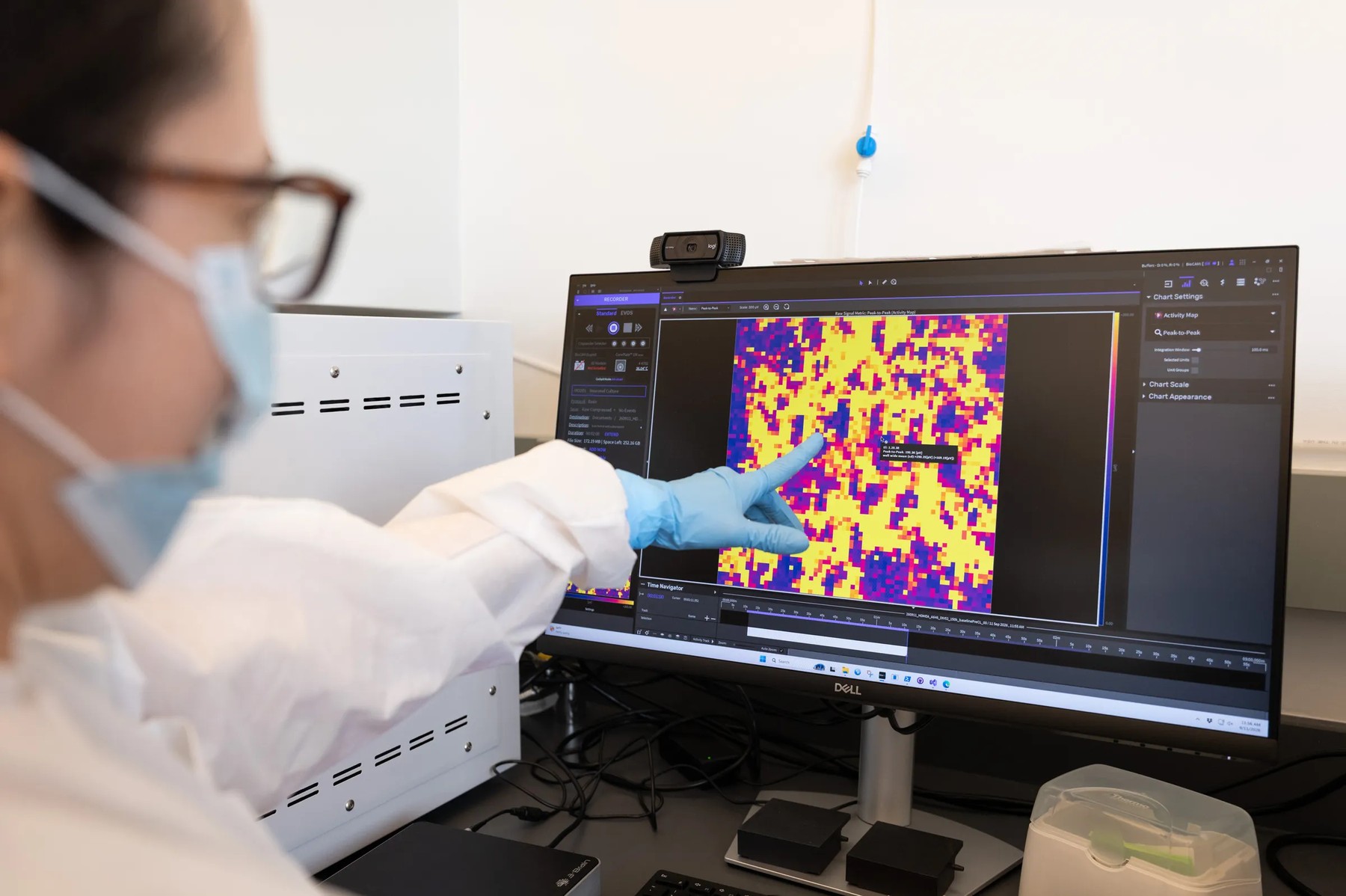
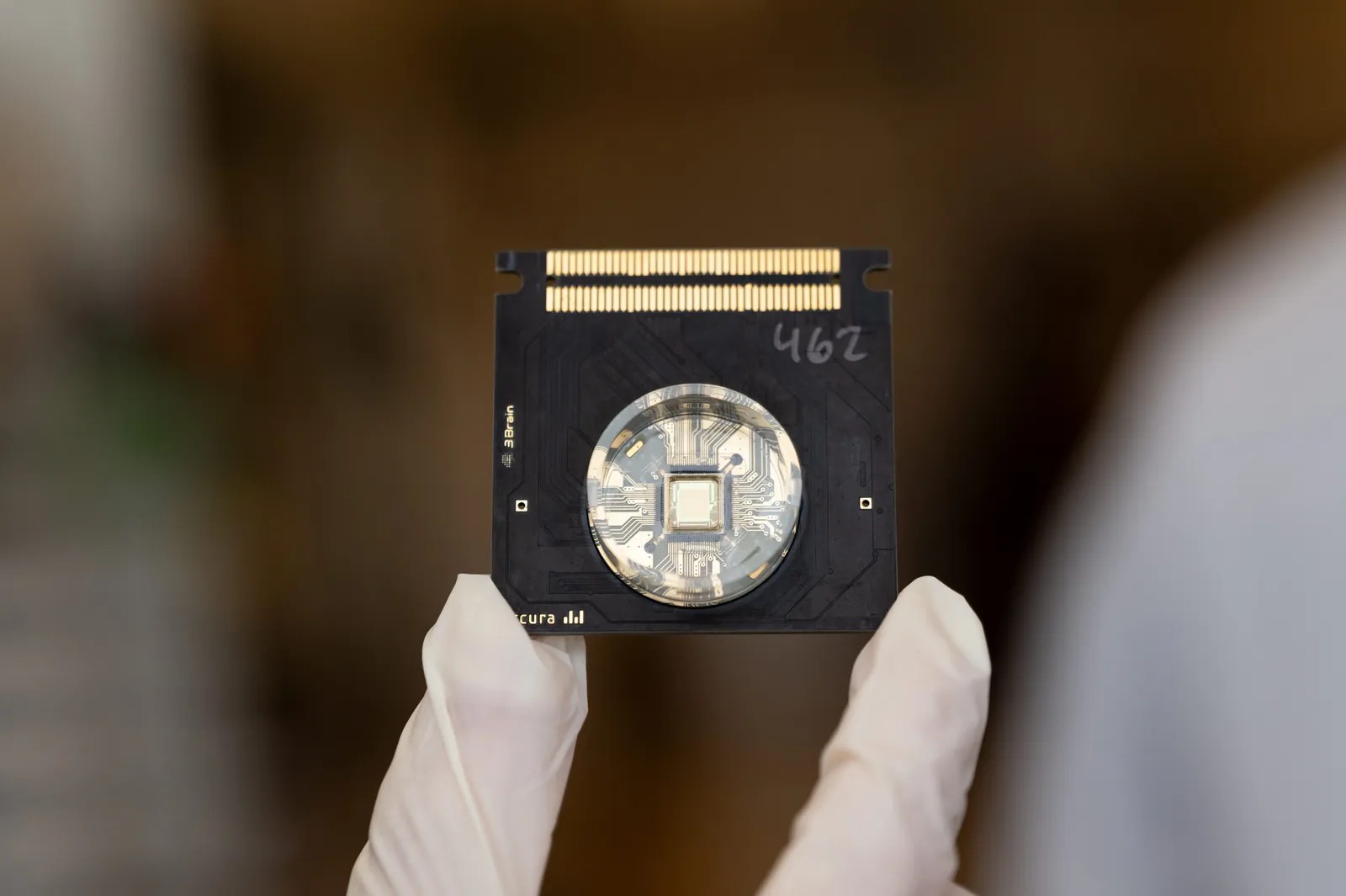
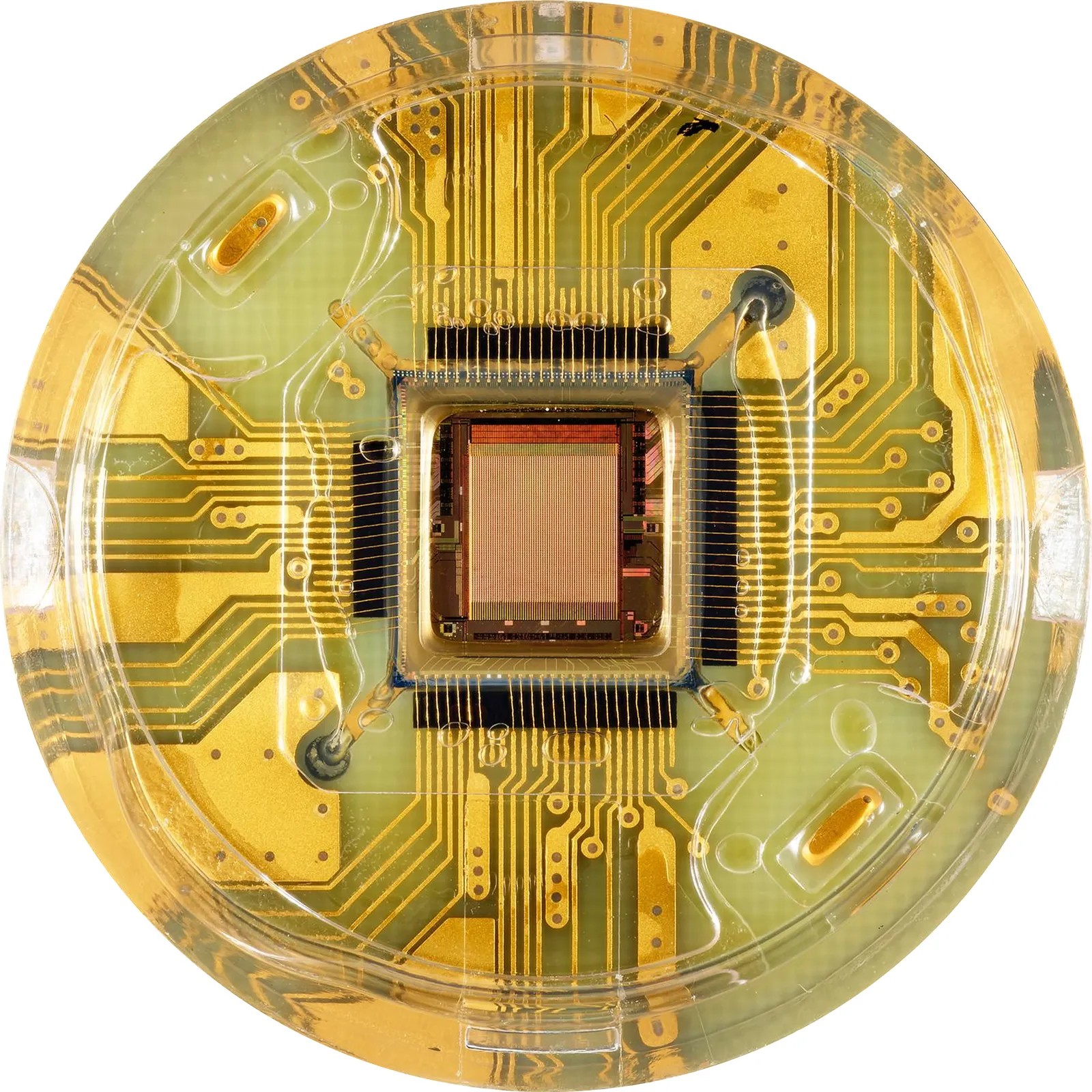
The physical layout of the silicon arrays matters: each electrode’s position affects how it interacts with the neurons. TBC concluded that images were a better starting point than text or language because visual information is easier to map to the electrodes’ arrangement.
The commercial opportunity followed. The startup hypothesized that modeling how neurons process images could improve AI systems that generate video.
TBC president and COO John Pomerantz says Jeff Dean, a prominent AI researcher and TBC investor, was the first to suggest that the company focus on fine-tuning video-generation models before applying its neural technology to other tasks.
Video models also offer established benchmarks. That gives TBC a way to test its system against already studied problems and determine whether it produces a noticeable scientific result. Pomerantz says Dean believed such a result could eventually lead to more difficult AI tasks.
Source: wired.com
From lab experiment to AWS product
TBC was founded in Baltimore four years ago by two neuroscientists and neurosurgeons: Ksendzovsky, who now leads the company, and Pomerantz.
Earlier this year, the startup raised $25 million from a group of investors led by Primary Venture Partners. It was the company’s first significant funding round. Soon after the round closed in March, TBC raised another $25 million, bringing its total funding to more than $50 million. The second round had not previously been reported.
Last year, TBC opened offices and a small research laboratory in San Francisco. Its 35 employees work with rat brain cells and human stem cells there.
Before the AWS deal, TBC’s technology was available only through the non-cloud provider Bluesky Compute. The startup claims that, compared with the open model it uses, its system generates video up to five times faster and significantly reduces inference costs—the cost of processing, or “thinking,” rather than training.
TBC has not disclosed which open model it uses for the comparison. It says only that the reference point is one of the leading video-generation models.
Source: wired.com
The scale problem
AWS distribution could give TBC a much wider customer base, but it also turns a laboratory claim into an infrastructure test. Ubhi says Amazon is counting on the company while acknowledging that its technology still needs to prove how well it scales.
The key checks will come under maximum load:
I think the interesting gap in the announcement is not the use of rat cells itself. It is the missing comparison: TBC has not named the open model behind its speed and cost claims, so customers cannot yet judge how meaningful “up to five times faster” is.
That omission matters because AWS is not presenting TBC as a replacement for mainstream AI. It is presenting a specialized improvement to existing video systems. The more modest the architectural ambition, the more important the benchmark and the workload become.
TBC now has to find out whether its biological signal survives contact with real customers pushing the system to its limits. If it does not, the cells may remain an impressive research interface rather than a practical advantage for video generation.
Source: wired.com
Daily AI news
Every day we pick what actually matters in AI and explain it plainly — no hype, no filler. Subscribe if you want to follow where the industry is going.
Only what matters — every day
Follow on X