
From film to tensors
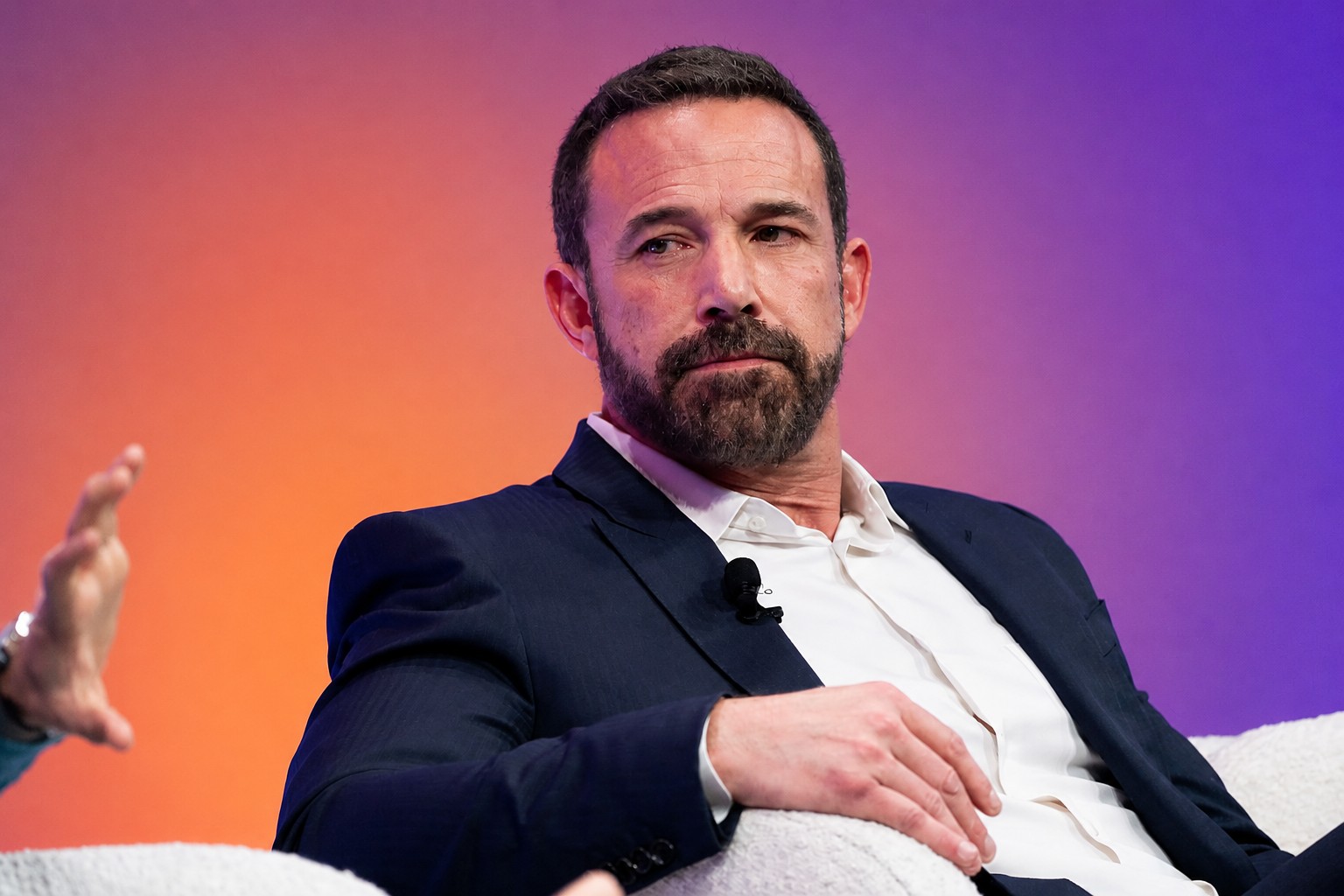
In GQ’s “One More Question,” Affleck told host Zach Baron that he became interested in the subject as filmmaking moved from film to digital. He said he can write “pretty clunky” Python scripts, then walked through how convolutional neural networks preceded transformers, which can perform more computations at once.
His explanation of a tensor was unusually concrete: a numerical representation of an image that includes the batch number, frame number and the red, green and blue values of each pixel. He also described how neural networks identify patterns, boundaries and features—such as locating a windowsill to help remove a green-screen background and replace it with another image.
That combination of confidence and technical detail is what caught viewers’ attention. It also makes the exchange more interesting than a celebrity simply endorsing AI: Affleck was describing a working understanding of the tools.
Source: techcrunch.com
Building for film
Affleck said his fame sometimes helped him get meetings with AI companies, including OpenAI. Those conversations led him toward more direct work with the technology and, eventually, a startup built around the idea that AI could assist filmmaking without displacing it.
He pushed back on a reported $587 million deal figure, saying it was “not accurate” because he did not own the company outright.
The startup’s approach centered on building a dataset with input from the film industry, where strict rules already govern the use of people’s likenesses. Affleck said he raised funding, spent about eight months filming with many cameras and different equipment, and assembled a dataset intended for the later stages of training open models on specific tasks.
He also described linking the training and inference code, with both configured for tasks that could be useful in production.
At the 2026 Screentime conference in Los Angeles, Affleck told Bloomberg’s Lucas Shaw that he had fine-tuned open-weight models for video by training them to meet particular cinematic standards. Filmmakers, he said, could retain rights to their own material and use the output of a separate model trained for a specific film. He applied the approach to his film “Animals,” where AI helped during post-production.
Source: techcrunch.com
The boundary he wants to hold
Affleck’s argument is that AI can become part of filmmaking without taking filmmaking away from people. I think that is a more useful claim than the familiar promise of automation: it puts the emphasis on who controls the material and what a model is trained to do.
His concerns are less about AI destroying the world than about its effects on children at school, learned helplessness and responsible use. He also cited a 30% increase in top college grades over the last three years. The interview did not establish a cause for that increase, and it is not evidence on its own of AI’s effect.
What I’d want to know is how the system’s safeguards work in practice: who can use the dataset, and how the model’s output is kept within the agreed cinematic standards. The approach depends on filmmakers having real control, not just a promise that the technology will complement their work.
Daily AI news
Every day we pick what actually matters in AI and explain it plainly — no hype, no filler. Subscribe if you want to follow where the industry is going.
Only what matters — every day
Follow on X