
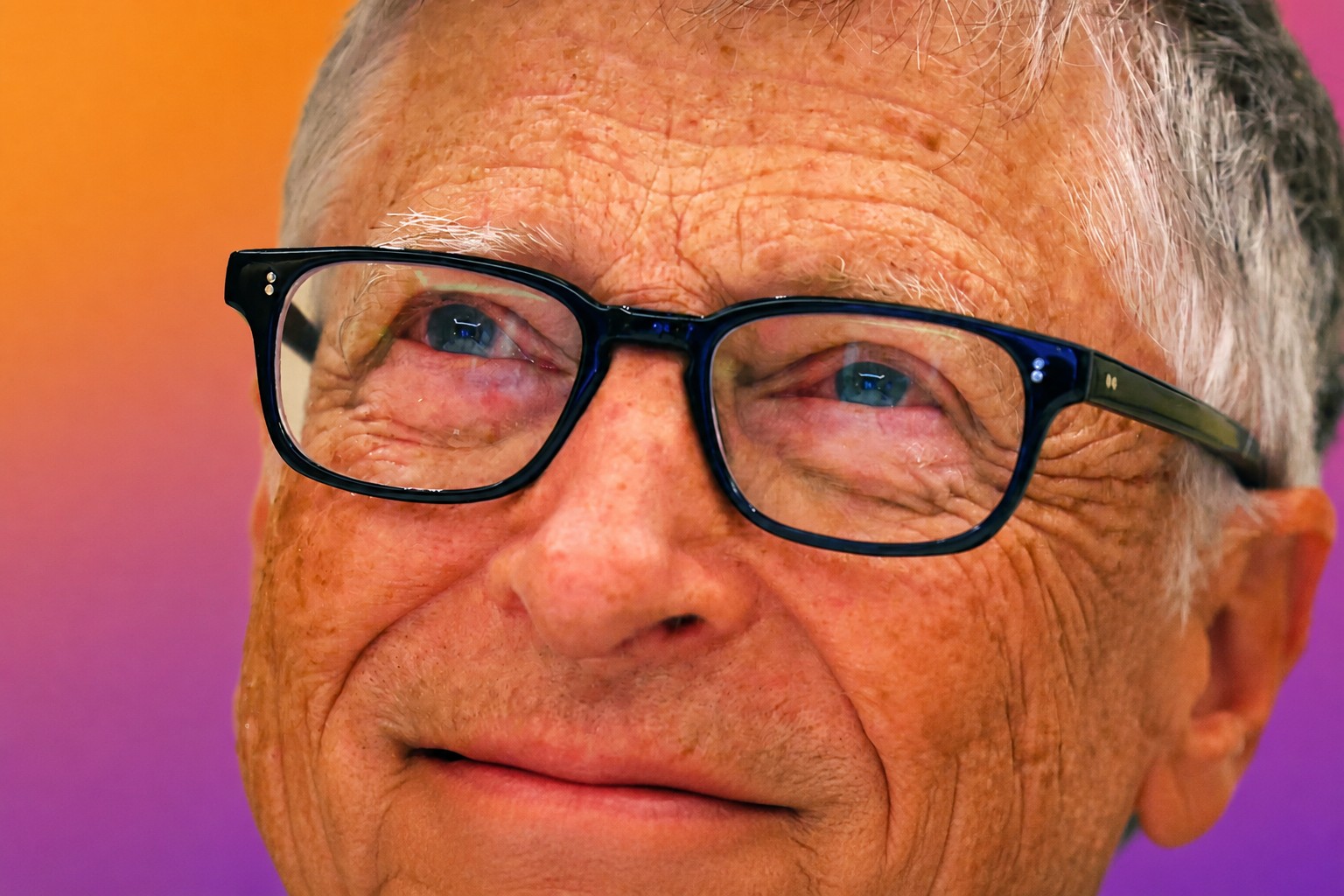
Gates argued that law enforcement and policymakers should help decide what protections and monitoring are needed, and that those measures should be mandatory. He likened compliance costs to ordinary business overhead: an added burden for the industry, but not one large enough to noticeably slow it down.
The risk is not only theoretical
In a separate excerpt released in advance by NBC, Gates said that people with malicious intent equipped with the latest AI tools could create the most powerful weapon ever known. Other technology leaders and politicians have voiced similar concerns.
Gates’s warning echoes an essay of nearly 6,000 words he published in late August, cautioning that widespread AI use could pose lethal threats. Sam Altman and Elon Musk have also called for AI development to slow. Some experts have raised the prospect of mass casualties through biological weapons or nuclear war.
The argument for safeguards is clearest at the extremes. The harder question is how to turn a warning about catastrophic misuse into rules that can be enforced without treating every AI system as equally dangerous.
Microsoft’s role in the debate
Microsoft has faced criticism over its part in developing technologies connected to scenarios that fuel AI anxiety. Company employees and activists have campaigned for it to cut ties with the Israeli military.
An essay published in The Guardian on Friday by Mohamed Hussein and Granate Kim of the No Azure for Apartheid group said the Israeli military used AI tools in killings in Gaza and Iran, with US forces involved in the latter case. The authors also argued that the consequences reach the United States: the Department of Homeland Security has used tools such as Microsoft Azure to track, arrest and deport migrants at scale.
Those allegations make the debate more concrete than a warning about a hypothetical future weapon. I think the tension is that calls for broad safeguards are easier to make than to reconcile with the present-day uses of AI that critics say are already causing harm.
A public return under scrutiny
The August essay and Sunday interview were among Gates’s first major public appearances after his name became linked to the Jeffrey Epstein scandal. Epstein pleaded guilty in 2008 to procuring a minor for prostitution and died by suicide in custody 11 years later, while facing sex-trafficking charges.
An external review commissioned by the Gates Foundation and published in July found that Gates was among the organisation’s staff and leaders who collectively held about 30 meetings with Epstein between 2011 and 2014. Gates has not been accused of involvement in the crimes Epstein admitted to or was suspected of. He has said he regrets “every minute” spent with Epstein and remains head of the Gates Foundation, which has $89 billion in assets.
Asked whether he avoids using AI in work or private life, Gates said he does not use it for personal relationships or ask it whether people like him or whether he is a good person. He said he had never tried because he was fortunate to have family and friends. He does not chat with AI; it knows he is a very serious person.
What remains unclear is how Gates’s proposed mandatory monitoring would apply to the kinds of systems and uses now under dispute. That question matters more than the broad agreement that catastrophic misuse should be prevented.
Daily AI news
Every day we pick what actually matters in AI and explain it plainly — no hype, no filler. Subscribe if you want to follow where the industry is going.
Only what matters — every day
Follow on X