
The threat predates the chatbot
Gain-of-function research changes a pathogen’s genes to give it traits such as greater contagiousness, deadliness or the ability to spread among mammals. The work can also inform vaccines and treatments. Like genetic engineering more broadly, it has both beneficial and harmful uses.
Mechanic, who trained as a molecular biologist and covered the debate before AI became a dominant concern, says researchers working with dangerous pathogens have often favoured publishing results. They may believe it is useful to learn which genetic traits make an organism dangerous, even when an accidental or intentional leak could be catastrophic.
Jacobsen’s new book, Nuclear War: A Scenario, follows her earlier book, Biological Warfare: A Scenario, published at the end of July. She argues that a biological attack may pose the greater overall risk because the barrier to creating a biological weapon is much lower than for a nuclear one. Nuclear weapons require weapons-grade fissile material, delivery systems and control of an arsenal. Biological threats do not demand the same infrastructure.
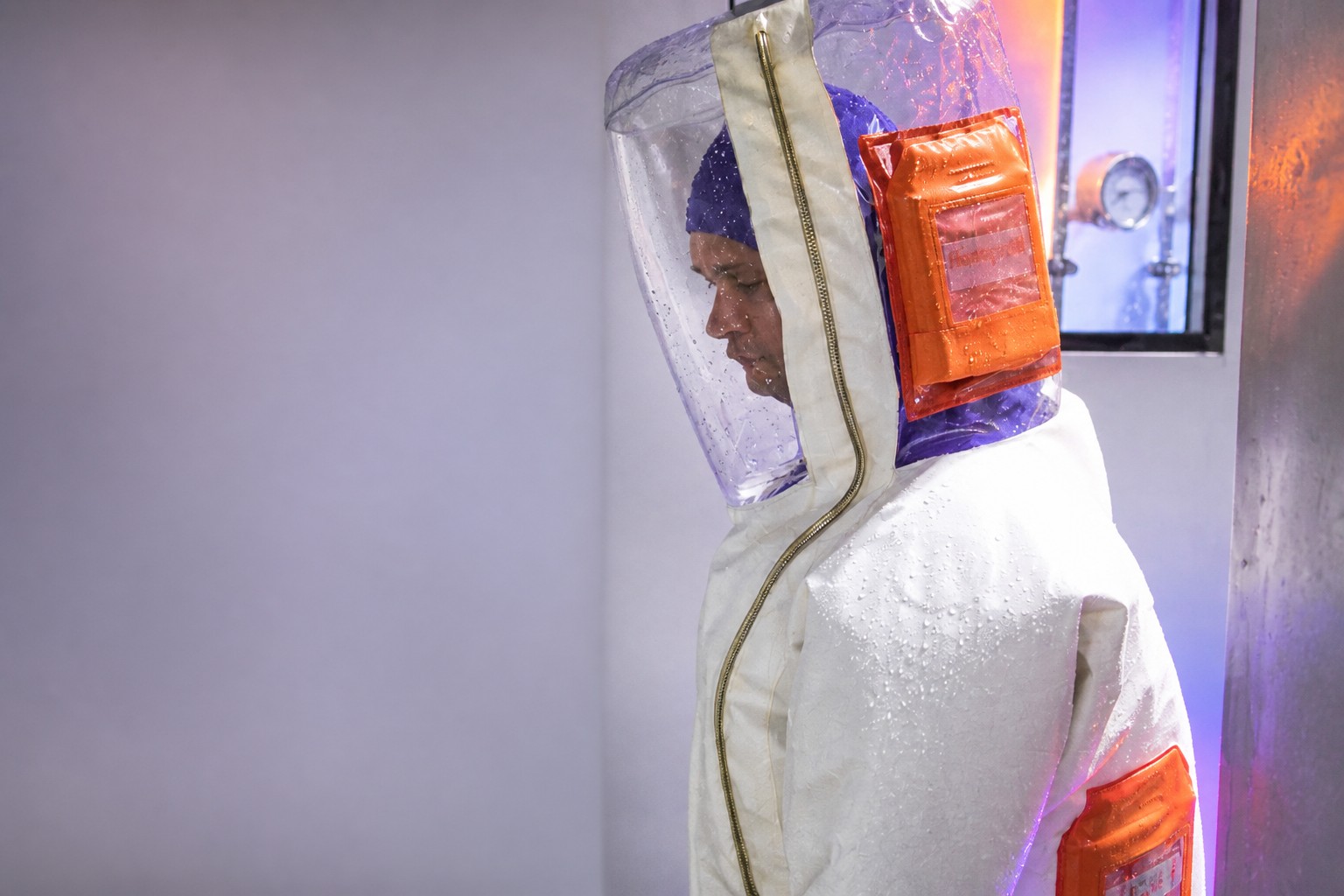
In Jacobsen’s account, the more likely route to disaster is not a terrorist group deliberately releasing a pathogen. She says intelligence agencies work to disrupt biological weapons programs, while accidental leaks remain a serious risk. Researchers, governments and academic institutions alter pathogens in high-containment labs; she cites 3,600 BSL-3 and BSL-4 facilities worldwide.
That makes the exposure broader than the list of groups intent on causing harm. Jacobsen describes researchers who might accidentally prick themselves with a needle, then panic and try to carry on as normal. She also recounts the case of Soviet scientist Nikolai Ustinov, who reported a Marburg virus needlestick and died in isolation. Accidents, she says, happen.
What AI changes—and what it doesn’t
The technology has changed since the anthrax attacks after September 11. Jacobsen points to genetic engineering, gain-of-function research and biotechnology supported by AI as factors that increase the potential for a pandemic. She says researchers have created pathogens able to evade existing immunity in experiments with mousepox, or made airborne in H5N1 ferret experiments.
But Jacobsen deliberately left AI-supported biotechnology out of her book. Her aim was to show how a scientist could alter a natural pathogen in a laboratory to bring humanity close to extinction without AI at all. The omission is a useful corrective to a debate that can make new software seem like the source of an old vulnerability.
The question I think deserves more attention is not whether a chatbot can help someone cross a line. It is why the underlying research is treated as safe enough to publish when even people working in the field may underestimate the risks. Jacobsen recalls a flu researcher who did not hesitate over whether to publish the genetic sequence of an extremely deadly pathogen. Mechanic suggests that expertise can become a form of elitism when scientists assume the public has no role in decisions about health or national security.
The same gap appears in government preparedness. Jacobsen says retired Air Force Colonel Tom Erhard, who led Pentagon exercises on nuclear and biological disasters, told her there is no real defence against a large-scale biological attack—only measures to mitigate mass death. Her book describes government planning for social breakdown and continuity of government, but the limits are stark: planning can prepare for consequences without preventing catastrophe.
Awareness without panic
Jacobsen says the purpose of her book is not to cause panic but to make people pay attention. After publication, she says, staff at a BSL-4 lab in Fort Detrick began receiving calls asking whether the scenario could really happen and why people had not heard about it. Its director, Dr. Nicholas Bergman, told her the book had voiced concerns that are usually left unspoken.
That is where the AI debate may prove useful: it has brought biological risks into public view. But awareness is not the same as control. If the danger already exists in research practices and facilities around the world, focusing only on AI risks making the older, less dramatic problem easier to ignore.
Daily AI news
Every day we pick what actually matters in AI and explain it plainly — no hype, no filler. Subscribe if you want to follow where the industry is going.
Only what matters — every day
Follow on X