
Source: theguardian.com
Imperfection as proof
For earlier seasons, a frame crowded with plankton or other particles might have been cut. Crews might also crop out a boat or buoy, or drop a scene because the water was too murky. This time, some of those details will stay.
Executive producer Elizabeth White said the spread of AI is pushing filmmakers to make their work feel even more authentic. Deep-ocean creatures, she said, are likely more astonishing than anything AI can imagine—and they are real. White expects the team to choose more murky, less polished footage as AI becomes more widespread.
At a press screening, Jack Bootle, head of BBC’s specialist factual department, said generative AI was not used to create any footage in the season. Everything was filmed on camera.
That assurance matters, but the choice to retain visual clutter makes a broader point: in a world of synthetic images, a camera’s imperfections can become part of a film’s claim to authenticity.
New ways to get the shot
Bootle called this a “golden age” for nature filmmaking, while saying audiences can sometimes feel they have seen it all. The new season includes animal behavior the team has not filmed before. One example: dolphins plugging holes in coral with sea sponges to catch fish, captured with an underwater surveillance camera dubbed the “stonefish.”
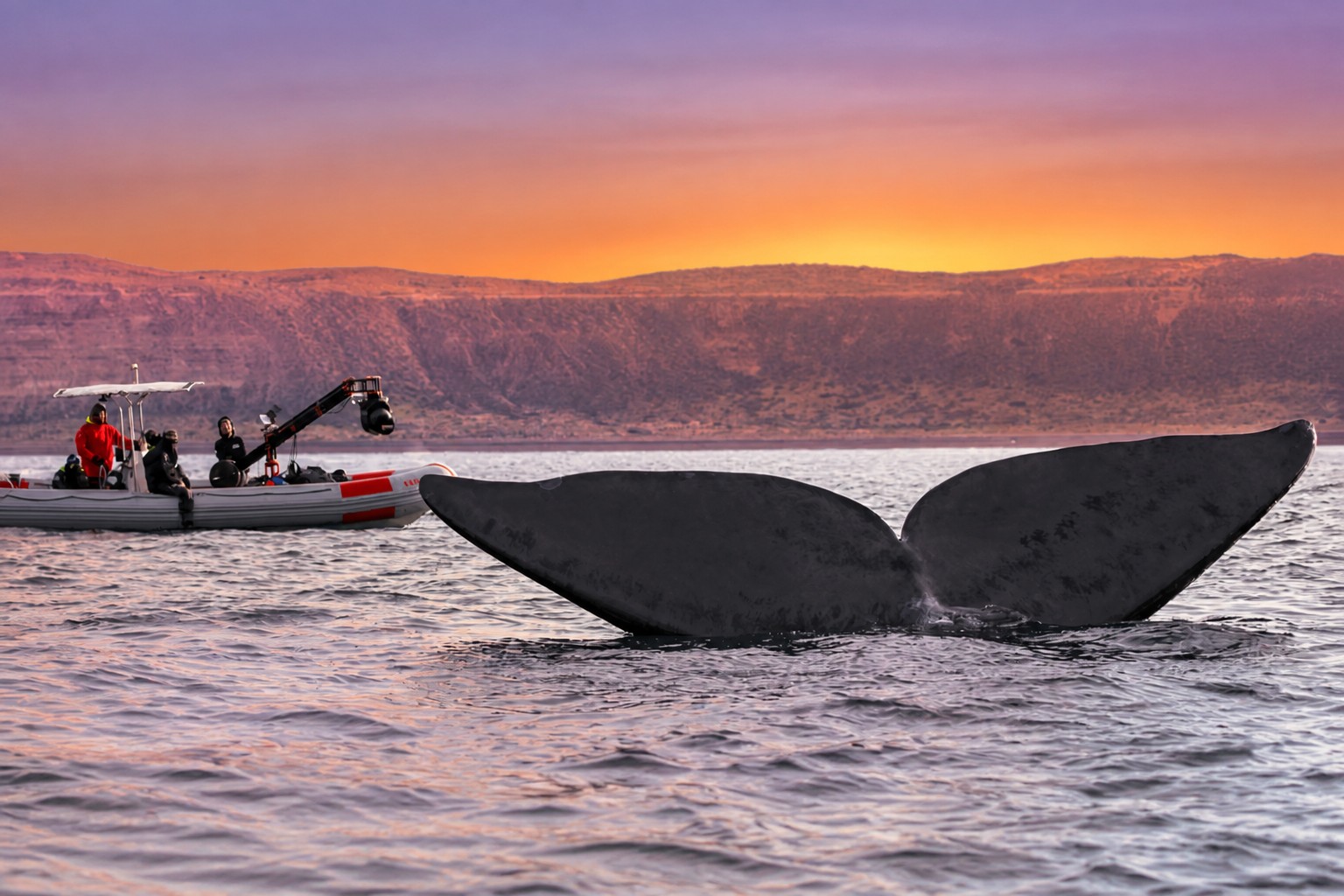
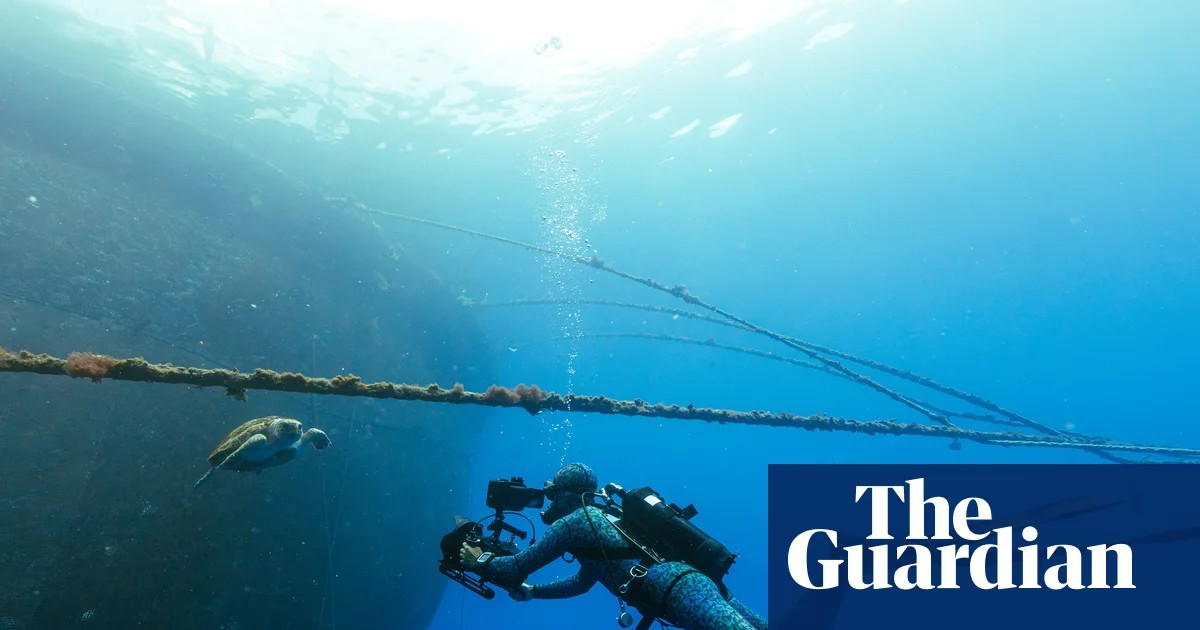
The camera was developed by producer and director Yolande Bosiger. Across four years of filming in five oceans, the crew also devised other ways to follow animals and capture rarely seen scenes:
Other scenes include groupers communicating with another fish species, 200,000 crabs lining up to feed, and sea urchins using shells as sun hats. Penguins feature in footage reminiscent of the “iguana versus snakes” sequence from Planet Earth II.
The ocean under pressure
The series will cover both threats to the ocean and its capacity to recover. Episodes show the climate crisis destroying the habitats of clownfish that live among anemones, and the fish trying to rebuild their homes. The plastic pollution theme raised in the second season will continue through stories about pollutants and forever chemicals.
David Attenborough, who is 100, took an active role in the season and made changes to scripts, Bosiger said. White said he remains curious and still gets excited when shown new footage.
The announcement is quieter on what it takes to make these films: when asked whether the BBC’s £500 million cost-cutting programme would affect BBC Studios’ reputation for nature filmmaking, White declined to comment. She said the Blue Planet III team saved money by using local crews more often than in previous seasons.
I think the tension is hard to miss: the series is making a case for authenticity while also describing savings and new production methods. Its most persuasive evidence may be not the promise that every image is real, but the willingness to show footage that earlier productions might have cleaned up.
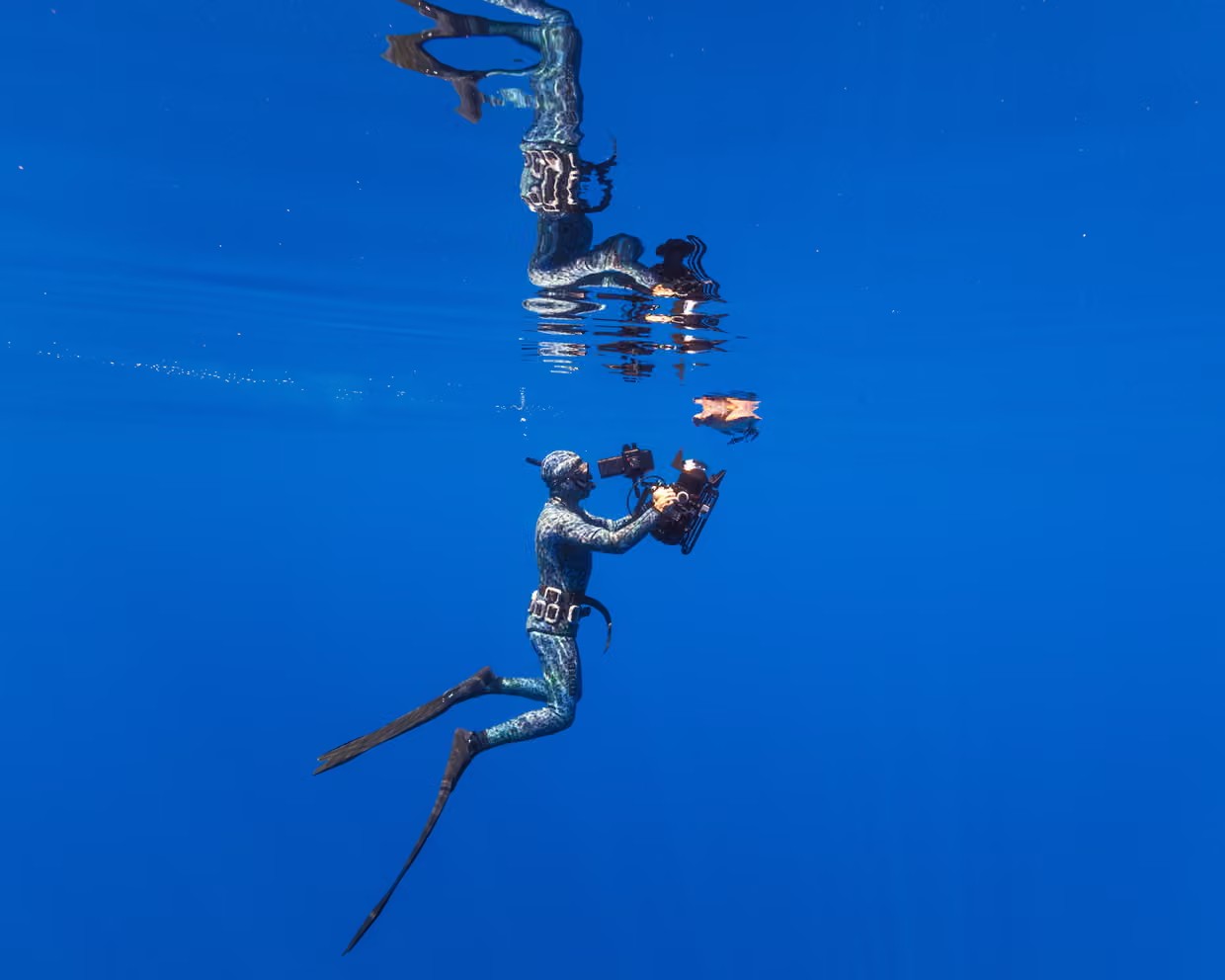
The hit BBC series returns with cutting-edge technology, including the world’s first underwater CCTV camera – dubbed ‘stonefish’. Photograph: BBC Studios/Jose Branco
Source: theguardian.com
Blue Planet III begins Sunday, 1 November, on BBC1 and iPlayer.
Daily AI news
Every day we pick what actually matters in AI and explain it plainly — no hype, no filler. Subscribe if you want to follow where the industry is going.
Only what matters — every day
Follow on X