
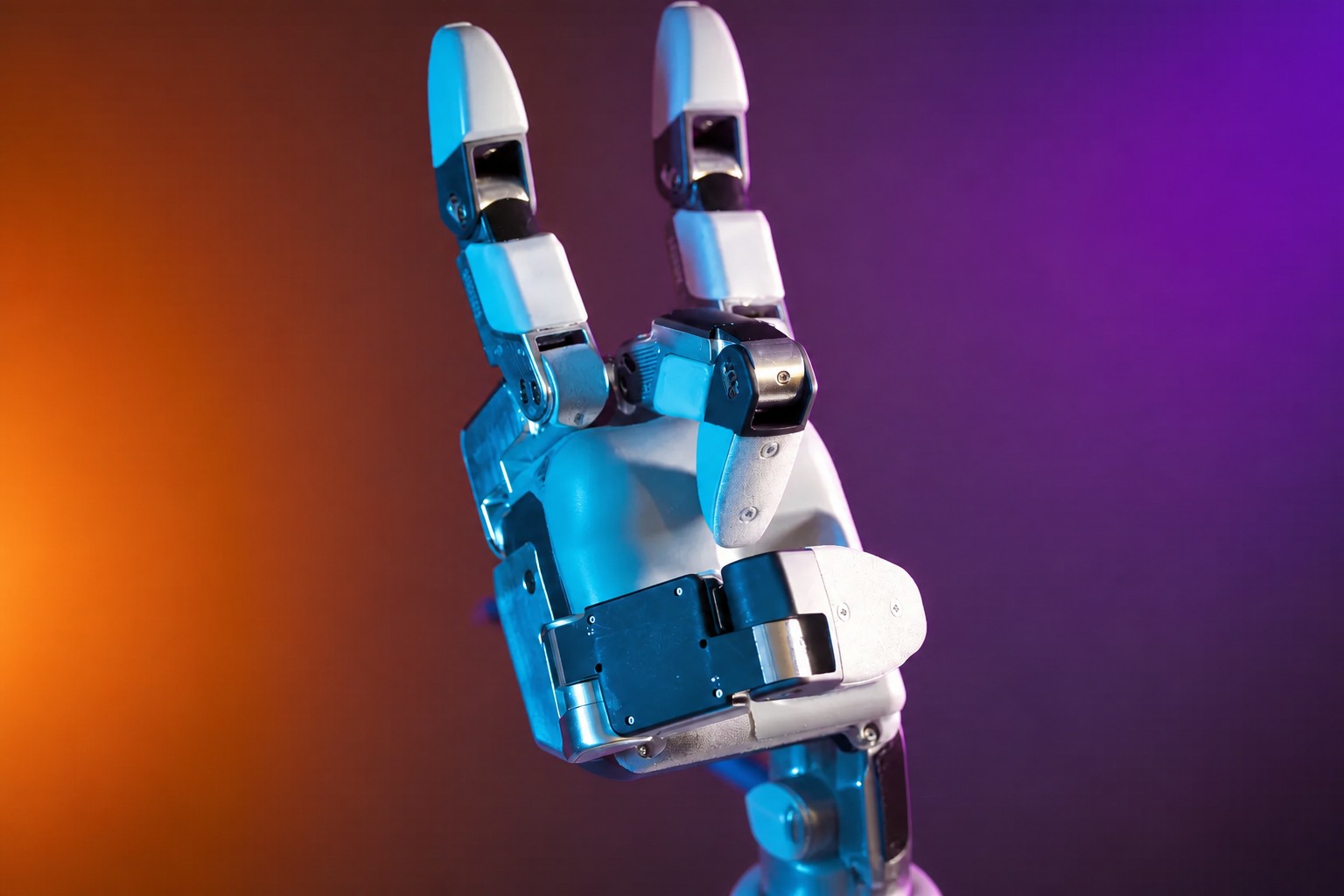
A hand built for tasks, not resemblance
Some humanoid hands look remarkably human and can perform dexterous manipulations. But, as Alberto Rodriguez, Boston Dynamics’ director of robot behavior, told IEEE Spectrum, fitting everything needed into a human-sized hand often makes it fragile, expensive, or both. Such designs are still mainly suited to research and demonstrations.
Boston Dynamics optimized Atlas’s new hand for a different set of priorities:
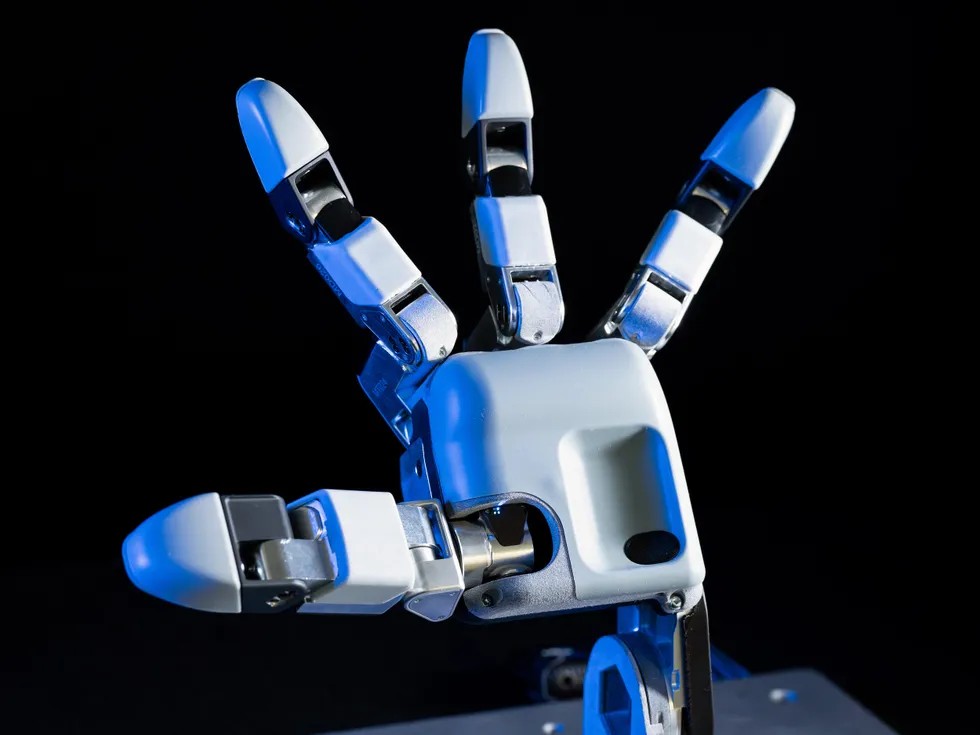
Looking human did not make the list. Rodriguez said dropping the little finger was an easy decision: his team spent a day taping their little fingers to their ring fingers and decided the design worked better that way.
The move from three fingers to four is only part of the redesign. The hand’s degrees of freedom have nearly doubled, from seven to 13.
Source: spectrum.ieee.org
“We added the ability for the fingers to spread sideways, so one finger can move relative to another. We also needed to be able to grip a tool handle with a trigger,” Rodriguez told IEEE Spectrum. That matters for common tools such as drills and welding torches. He said Boston Dynamics believes the hand will be able to perform all necessary tasks in the foreseeable future.
The fingers can spread farther apart than human fingers. Rodriguez said reinforcement learning could help find useful ways to exploit that extra range of motion, including movements beyond human capabilities.
The manufacturing trade-off
With 13 degrees of freedom, the hand has fewer than more humanlike designs. That lets Boston Dynamics use fewer actuators, while making them larger and more powerful.
The actuators sit directly in the joints. The direct-drive transmission lets the motors turn under external force and respond to force and contact. Each actuator is a separate module that can be replaced; there are no delicate tendons or cables between the joints to stretch or break.
“Right now, we’re figuring out what needs to change in the design details to manufacture 100,000 of these hands a year,” Rodriguez said.
I think that target is the more revealing part of the announcement. It frames the hand not as a finished answer to dexterous manipulation, but as a design being worked backward from a production volume. The announcement is quieter about what tasks the hand can reliably perform today, and how much work remains before it reaches that annual output.
Other humanoid companies may choose different compromises. But a hand that looks less human and can be built and repaired at scale may prove more useful than one that impresses in a demonstration. The industry’s manufacturing ambitions will depend on whether designs like this can deliver both.
Daily AI news
Every day we pick what actually matters in AI and explain it plainly — no hype, no filler. Subscribe if you want to follow where the industry is going.
Only what matters — every day
Follow on X