
HARVEST starts in Lincolnshire
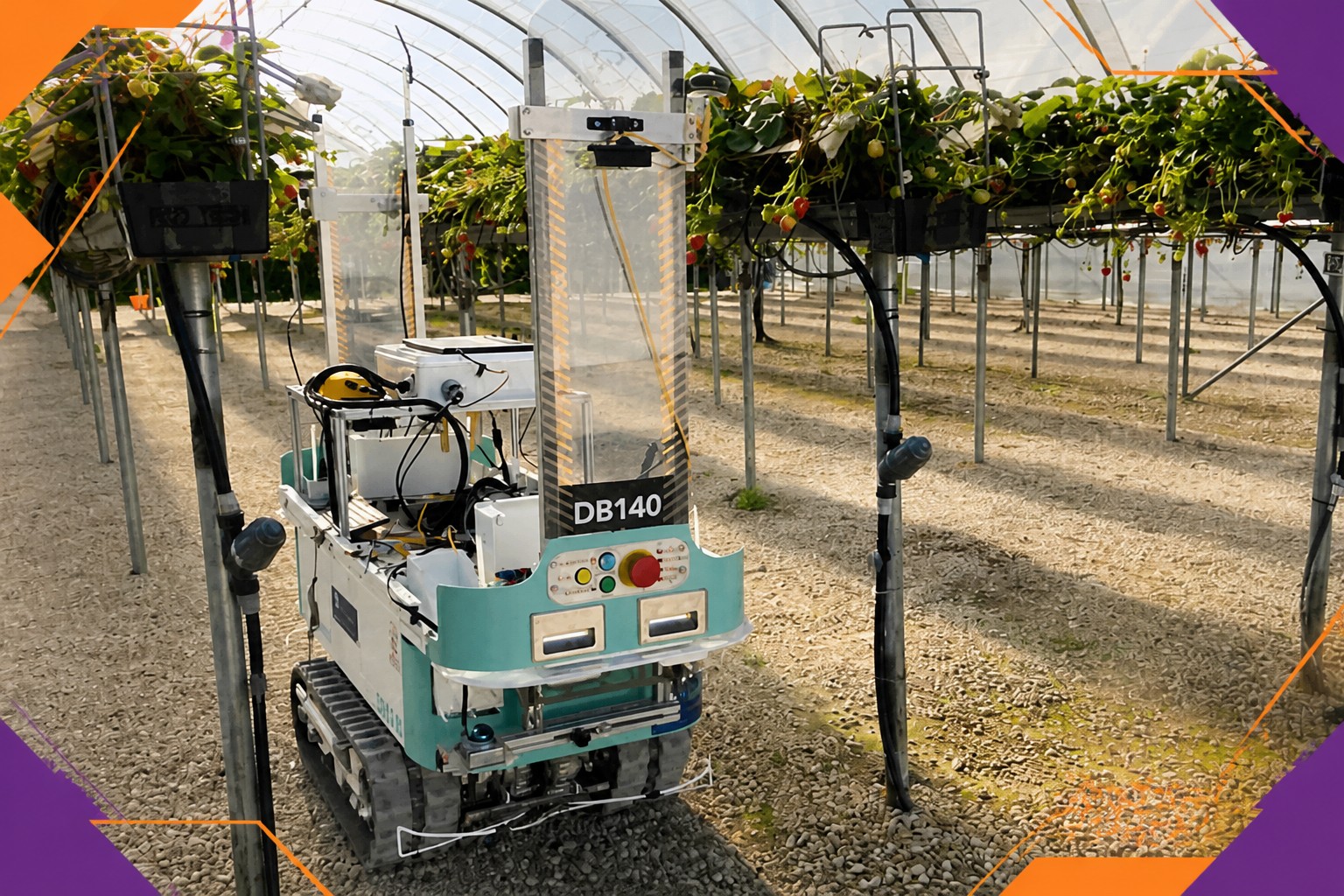
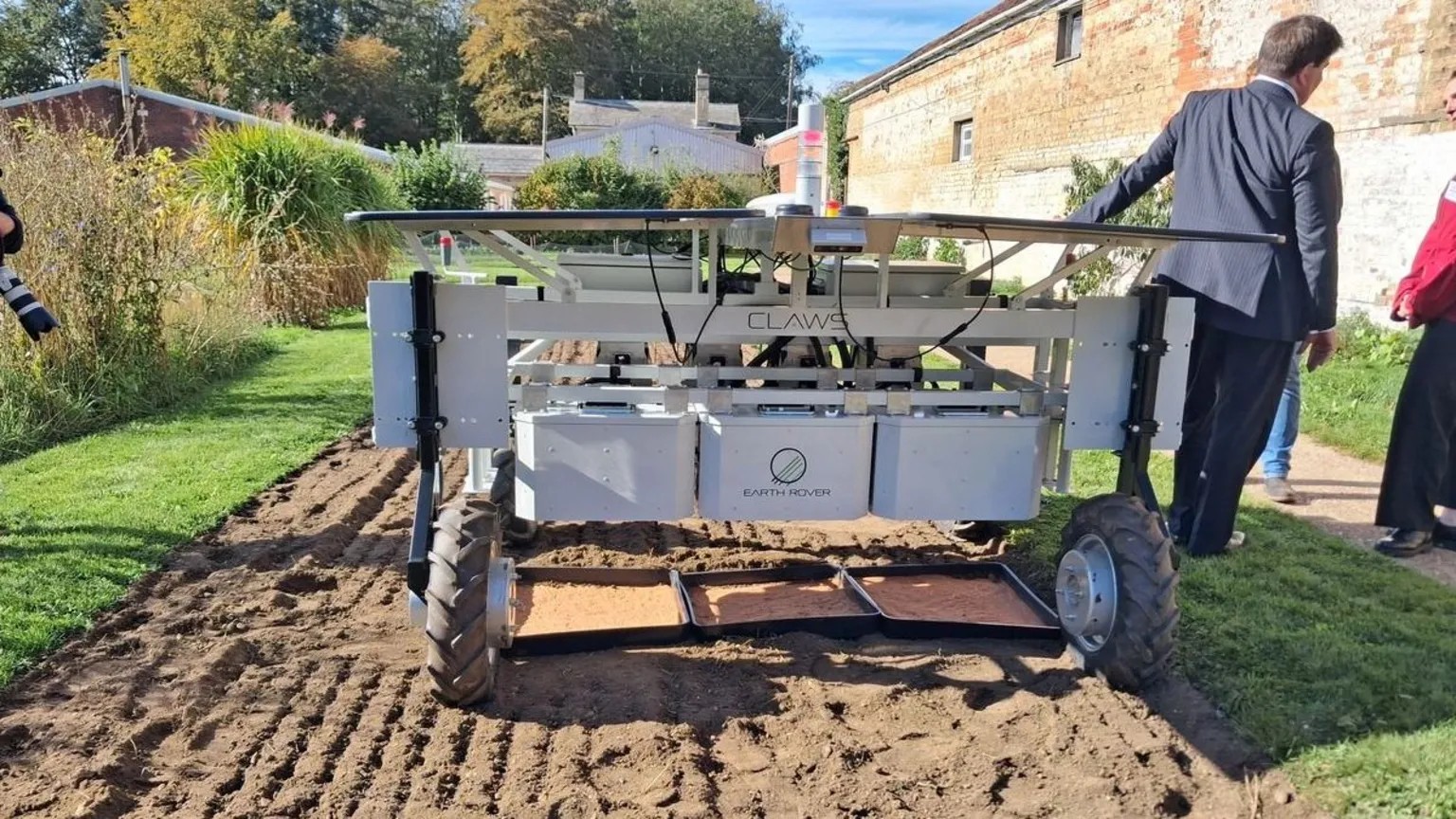
The £6.3 million HARVEST centre was announced at the Lincoln Institute for Agri-food Technology. On a visit, AI and Robotics Minister Kanishka Narayan saw robots moving through strawberry rows and across ploughed fields, as well as a machine that uses concentrated light pulses to heat and destroy weed cells.
The case for agricultural automation is practical. Farmers struggle to find enough workers to pick fruit at the right time, putting pressure on farm costs. Narayan said it was important to help farmers keep their businesses viable, and argued that robotics could contribute to changes already under way in British agriculture, from combine harvesters to automated dairy farms.
Professor Simon Pearson, a representative of the institute at the University of Lincoln, said HARVEST would connect agriculture and food businesses with robotics companies. He pointed to pressure on profitability, labour access and the climate. New technology would not solve those problems, he said, but could help the industry manage them. Dyson Farming is among the centre’s participants.
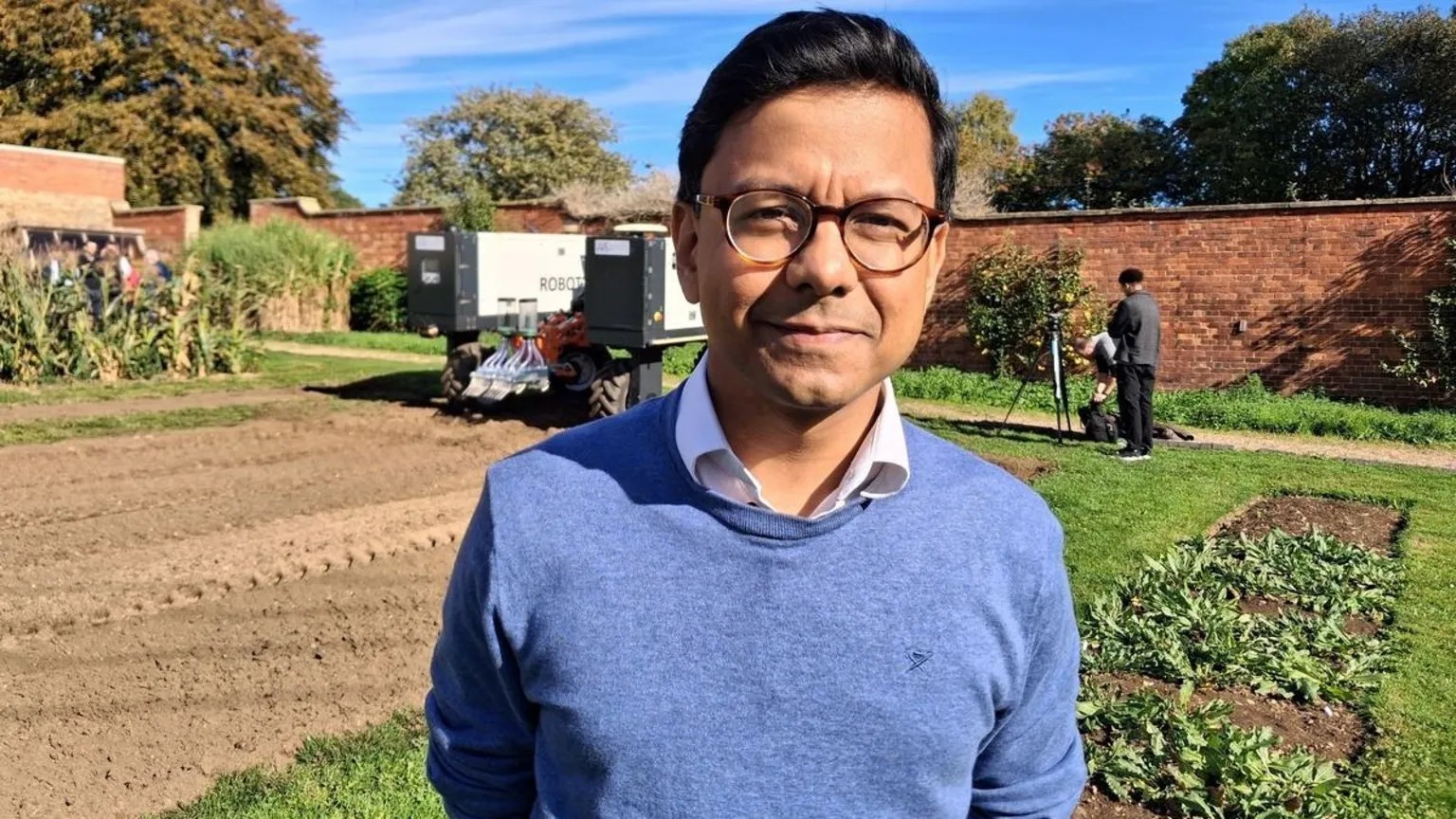
AI and Robotics Minister Kanishka Narayan says robotics could speed up the reindustrialisation of the UK
Source: bbc.com
Pearson’s warning is also about where the gains land: if British companies do not compete internationally, he said, the technologies could be developed elsewhere rather than in Lincolnshire.
Eight centres, different industries
The programme’s centres are aimed at adoption in specific sectors:
A further £2.5 million will support 12 projects in practical robotics training and apprenticeships, including a programme to introduce robotics in ports and logistics in Hull.
The missing measure
I think the programme’s strongest idea is its focus on adoption, not just invention. But eight centres and 12 training projects are inputs, not evidence that firms will change how they operate. The announcement does not say how success will be measured, or how many businesses are expected to adopt robotics.
That gap matters most for the sectors facing immediate pressures, such as farms struggling to secure seasonal labour. If the centres can turn demonstrations into equipment that businesses can use, they may help keep more of the resulting expertise and activity in Britain. If not, the machines may be impressive while the promised industrial shift remains hard to see.
Daily AI news
Every day we pick what actually matters in AI and explain it plainly — no hype, no filler. Subscribe if you want to follow where the industry is going.
Only what matters — every day
Follow on X