From signatures to public pressure
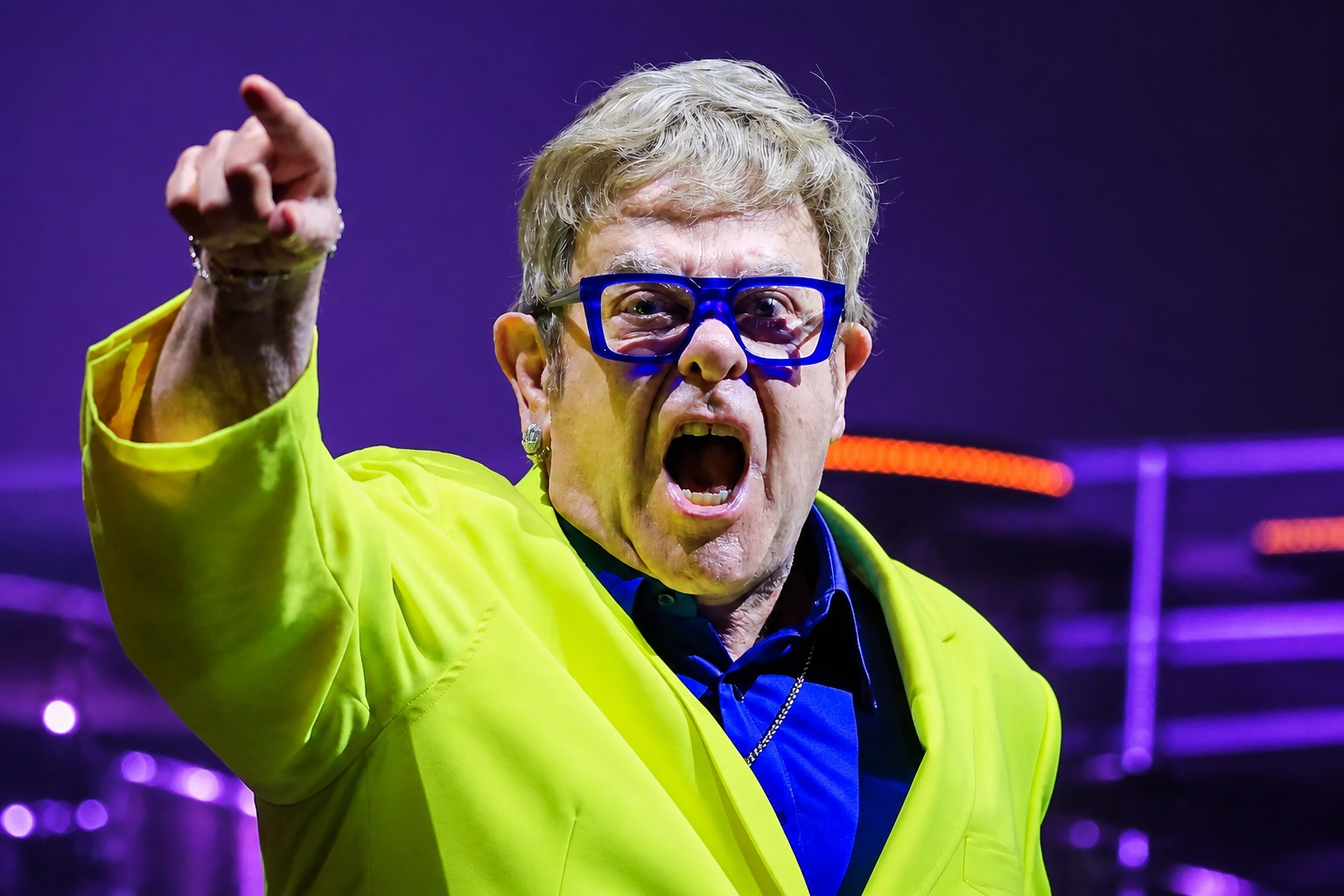
The British campaign brought together well-known names across music, film and literature. Elton John, Paul McCartney, ABBA’s Björn Ulvaeus, actor Julianne Moore and Radiohead singer Thom Yorke signed letters or joined protests. Elton John called the government “complete losers” and said it was going to “rob young people of their heritage and income.”
Kidron, a member of the House of Lords, pushed legislative amendments that could have derailed the proposal and helped bring celebrities into the protests. She argued that copyright reaches beyond the creative industries: people care about the songs, books and images tied to important moments in their lives. Polling found that seven in ten UK adults supported paying rights holders when their work is used to train AI models.
Two campaigns made the potential loss tangible:
Newton-Rex said the government could make such a change only if nobody noticed. His view is that a brief explanation is enough for people to see the proposal as unfair.
Kidron has asked Albanese not to risk his reputation by betraying Australian authors and artists. She points to his record of standing firm against technology companies.
The argument is not over
The industry has not abandoned its case. TechUK deputy chief executive Anthony Walker said the government recognised that its initial consultation had been poorly organised. He also argued that rights holders had effectively drowned out the other side, leaving a one-sided debate.
In March, then-technology minister Liz Kendall said the government no longer considered its central proposal the preferred option: allowing companies to train models on copyrighted material unless creators had opted out in advance.
Pierre Andrews, a cultural policy adviser in Rishi Sunak’s Conservative government in 2023–2024, says Labour misjudged how creative workers would respond. The party expected to persuade the sector; instead, artists and writers saw the proposal as a betrayal by a political ally. Andrews expects Australia to face a similar retreat.
The new UK prime minister, Andy Burnham, a fan of The Smiths, has yet to set out a new copyright policy. A renewed challenge to the creative industries is considered unlikely, but the campaign has already left organised opposition behind.
I think the campaign’s most consequential asset was not celebrity endorsement by itself, but the way it made a complex policy legible: empty studios and a nearly blank book gave people something to picture. The announcement is quieter on what a workable alternative would look like—how AI companies could get access to protected work while compensating its creators. Until that question has an answer, public opposition may be easier to build than a durable policy.
Daily AI news
Every day we pick what actually matters in AI and explain it plainly — no hype, no filler. Subscribe if you want to follow where the industry is going.
Only what matters — every day
Follow on X