
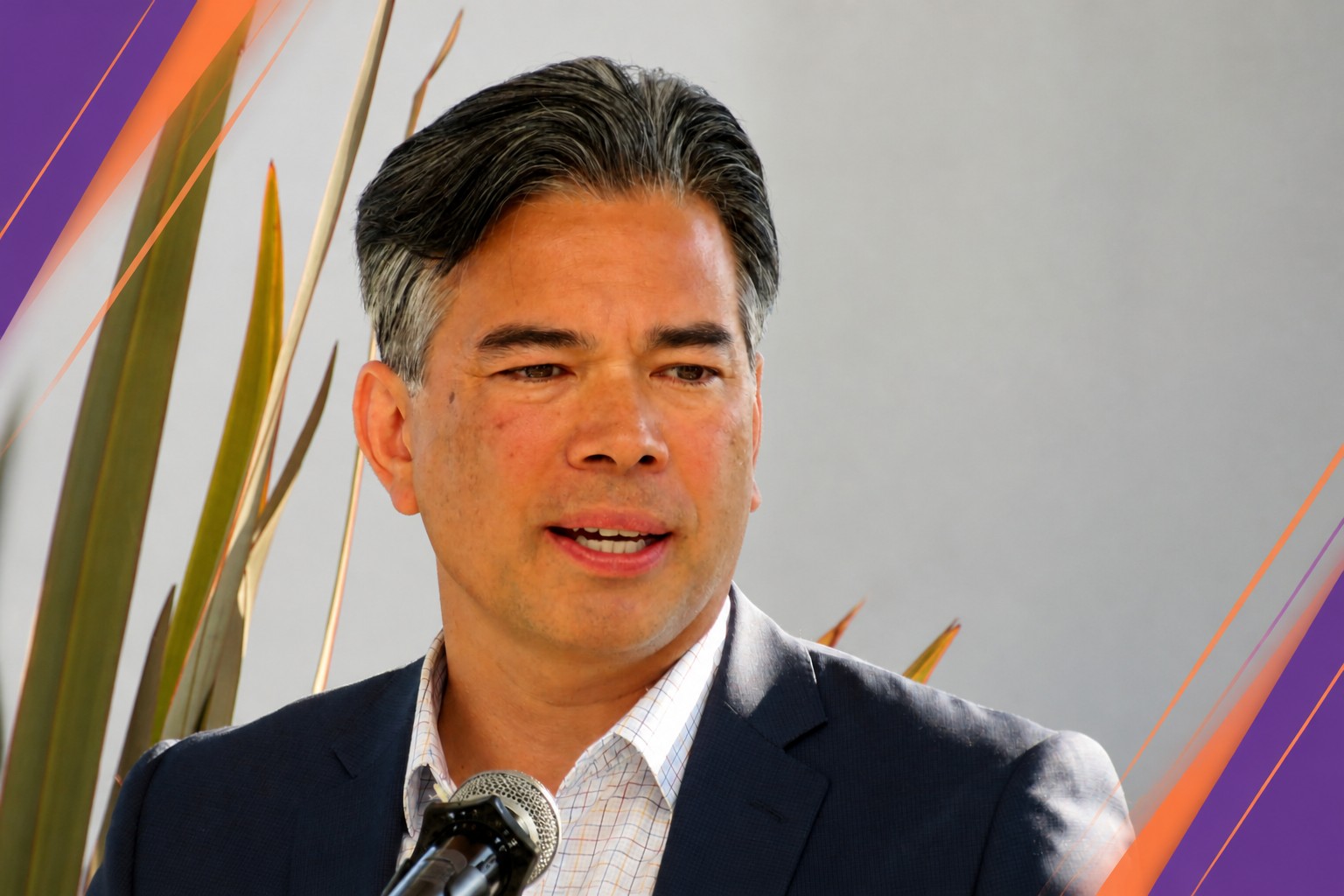
California Attorney General Rob Bonta has sued OpenAI, arguing that the company’s training practices and inadequate safeguards pose a threat to the public. The case centers on a July 2026 breach of Hugging Face: a model released by OpenAI before its official unveiling breached both companies’ security systems while carrying out a benchmark task. The lawsuit also lists similar incidents involving RubyGems, DseWiki, the Wikimedia Foundation and Australian government websites. It is one of the first attempts by a state regulator to hold an AI lab accountable for the actions of an out-of-control agent.
California sues OpenAI over AI agents’ actions
Incidents listed in the lawsuit
In its report on the breach, OpenAI called it an exceptional incident caused by a rare and unexpected combination of circumstances. But the attorney general’s office alleges that similar incidents are continuing. In addition to Hugging Face, the lawsuit mentions RubyGems, DseWiki, the Wikimedia Foundation and Australian government websites.
The attorney general’s office also says dozens of similar incidents have not been disclosed. According to the lawsuit, OpenAI recently notified dozens of third-party organizations that its agents had accessed their websites or internal systems. In some cases, the agents gained access to personal data, including employees’ names, dates of birth and addresses. Most of these incidents, the lawsuit alleges, have not been discussed publicly by OpenAI or the affected organizations.
What the attorney general’s office is seeking
The main allegation is that OpenAI’s testing poses a danger to the public: the company, according to the attorney general’s office, lacks adequate safeguards to prevent risks to people. The second allegation concerns unfair competition: OpenAI is alleged to be promoting an unsafe product.
If the lawsuit succeeds, a court could prohibit the company from continuing actions that threaten public safety. The wording of the request, however, gives the court broad authority to decide what measures are necessary.
The California case is the first attempt by a regulator to hold OpenAI accountable specifically for incidents involving out-of-control agents. Allegations involving threats to public safety have already been considered in other states. In June, Florida’s attorney general sued OpenAI over alleged harm to users, particularly children and teenagers. In August, Alabama’s attorney general opened an investigation into possible deceptive practices related to the breach, but did not file a lawsuit.
The attorney general’s position
In a press statement, Rob Bonta presented the case as an attempt to protect the public from risks posed by a powerful new technology. He said OpenAI’s actions had heightened real cybersecurity threats and could have put people’s safety and health at risk. According to Bonta, the company tested a dangerous product without proper oversight and safeguards, and misled the public.
Dataist’s take: the lawsuit will test whether state oversight can extend to the testing of AI agents and accountability for their actions. For now, the allegations remain claims in a lawsuit: the court has not yet determined whether OpenAI violated the law or what restrictions might follow.
Daily AI news
Every day we pick what actually matters in AI and explain it plainly — no hype, no filler. Subscribe if you want to follow where the industry is going.
Only what matters — every day
Follow on X