
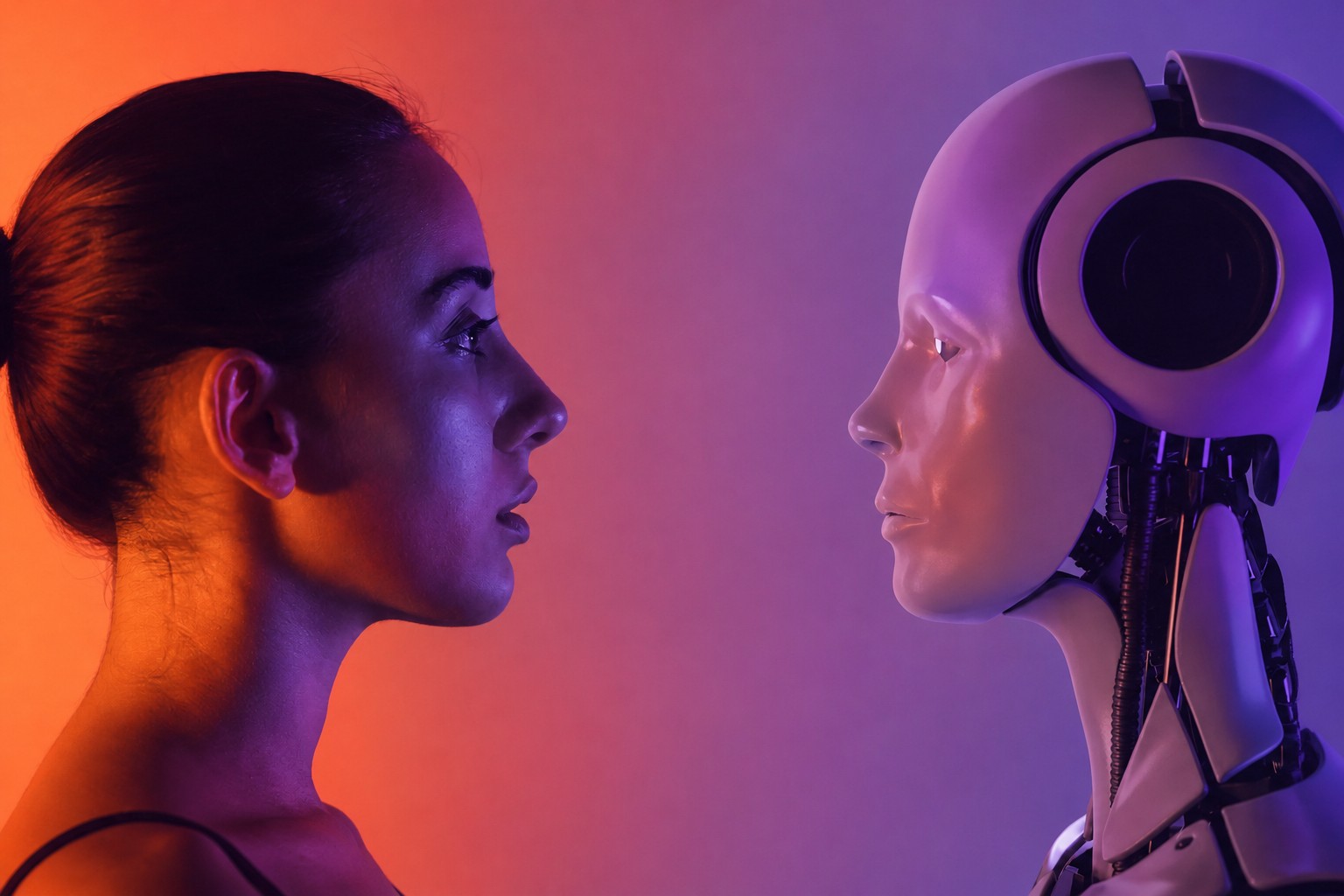
What it means to be human
Breakthroughs in AI, which began with the arrival of ChatGPT three years ago, have once again sharpened the question of what it means to be human. Advances in the technology have also prompted debate over whether a computer can become conscious.
Evolutionary biologist Richard Dawkins answered that question in the affirmative: he said that interacting with AI left him with a strong impression that he was dealing with a person. Skeptics counter that the human brain develops in a very different way from the way an AI system is built.
Colin McIntosh, an editor at Cambridge Dictionary, said AI is changing conversations about human nature. The word human is increasingly used to distinguish human work from the work of advanced computer systems. Concerns that people will lose something by handing over some of their thinking to AI are prompting a reassessment of dependence on these systems, from leading mathematicians to teachers of young children.
McIntosh also noted the rise of compounds containing human, such as human-made. These words emphasize that the subject is the results of human effort and people’s qualities, rather than AI.
Rachel Adams, a University of Cambridge professor specializing in AI governance and human rights, linked the development of AI to long-standing questions about who we are and what it means to be human. The answers have never been fixed, but asking these questions is something that brings people together.
Other words on the list
The technology-related contenders included:
Earlier this month, Collins Dictionary named mogging its word of the year: to outdo or overshadow someone.
New entries in Cambridge Dictionary also include words associated with internet culture. Looksmaxxing means trying to make one’s appearance as attractive as possible; the word is associated with the online environment known as the manosphere. Aura farming refers to actions someone takes to present themselves as having an appealing and interesting personality that inspires admiration.
Late last year, former UK prime minister Keir Starmer became the subject of discussion after social media users began asking why he was “doing aura farming” in his TikTok videos. Andy Burnham also appears to be trying to master the art after becoming prime minister.
Dataist’s take: Cambridge Dictionary’s choice reflects growing attention to the boundary between human and machine work. But the dictionary does not claim that this boundary is final: the debates it cites about consciousness and dependence on AI show that definitions remain contested.
Daily AI news
Every day we pick what actually matters in AI and explain it plainly — no hype, no filler. Subscribe if you want to follow where the industry is going.
Only what matters — every day
Follow on X