
A small system, built for the other side
Sistilli said in a YouTube video that public anger over Flock Safety made him wonder how difficult it would be to build a similar company. He ordered a 4K security camera online, connected it to a laptop and asked an AI assistant to write software that would identify police vehicles. He then mounted the prototype on his car’s dashboard to test it on the road.
The first version struggled. It tried to assess every vehicle in full 4K resolution while also reading its license plate. Sistilli lowered the resolution and changed the workflow: the system would read a plate only after deciding the vehicle was a police car. That got the prototype working.
The concern cuts both ways
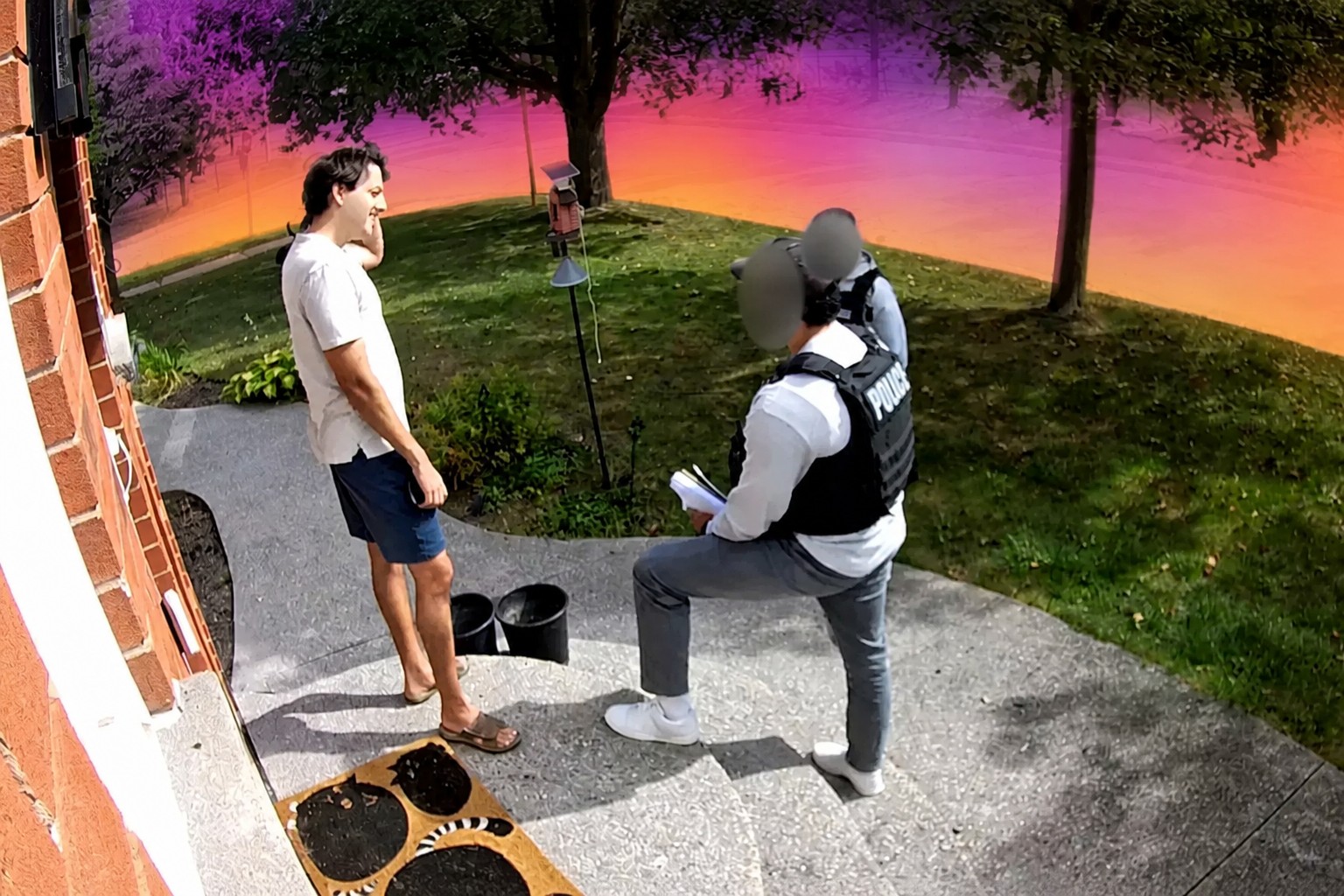
Local police soon heard about the project. Sistilli said two officers walked up his driveway and knocked on his door to ask about it. One told him the system was frightening because people could use it to find out where officers lived, when they started work and what they did during the day.
Sistilli’s reply was that civilians worry about the same kind of exposure. I think that is the point the encounter leaves unresolved: the system is rudimentary, but the officers’ concern describes the same surveillance risk that prompted him to build it. The announcement gives no detail about what the prototype recorded or how long it kept the data. That gap matters more than whether one camera can match a corporate network; the dispute is over who gets to observe whom, and on what terms.
Daily AI news
Every day we pick what actually matters in AI and explain it plainly — no hype, no filler. Subscribe if you want to follow where the industry is going.
Only what matters — every day
Follow on X