
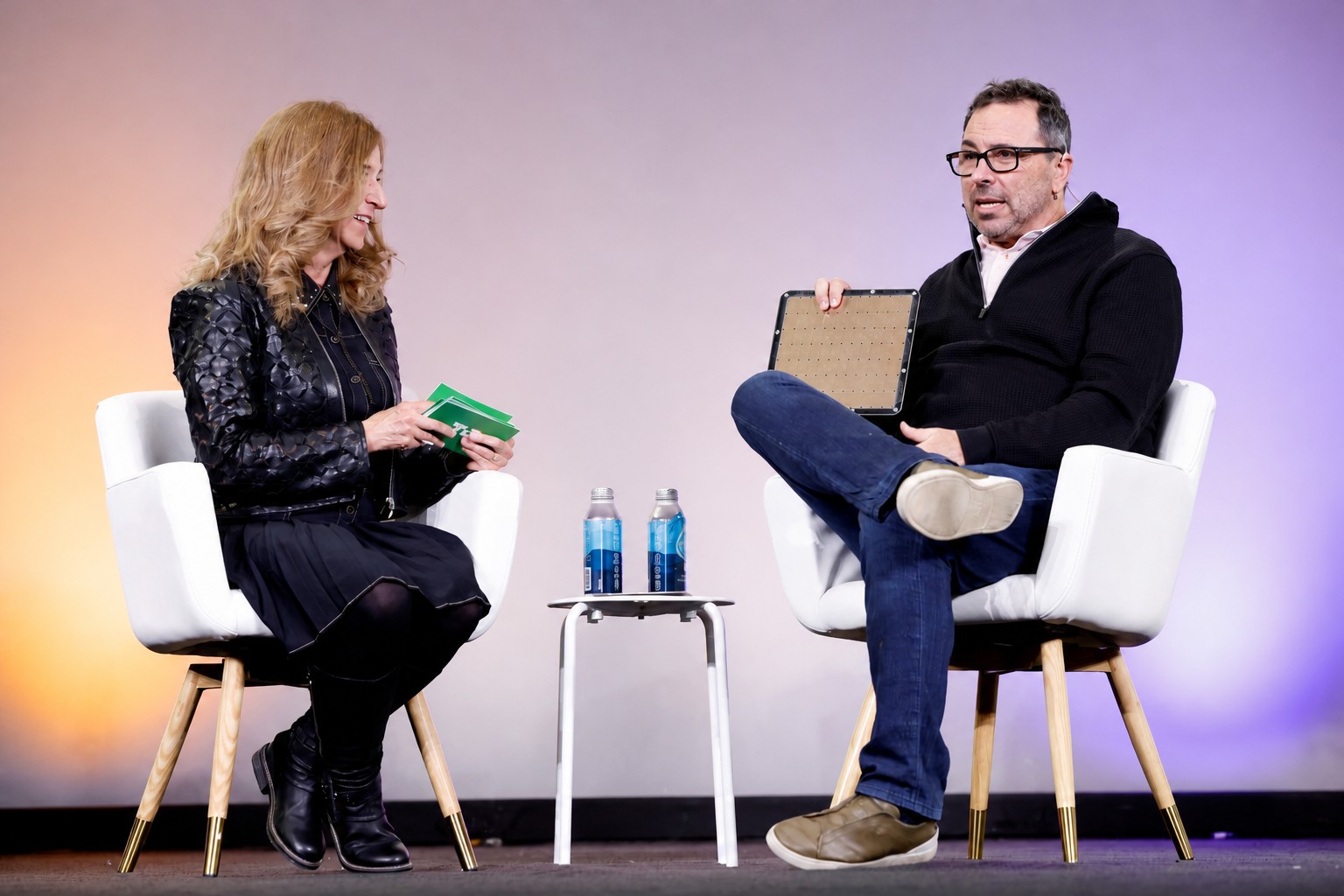
The assistant as a household device
Feldman pointed to Meta’s Muse and Instinct, as well as a startup valued at $10 billion, as examples of AI agents entering everyday life.
His forecast for a home assistant is specific: it would know its owner well and operate within a protected perimeter, while splitting work between the device and the cloud, much like a smartphone. It would also have access to credit cards to buy things for the user. Feldman expects systems like these to substantially improve people’s lives.
That is an expansive promise. The announcement leaves open what “protected perimeter” means in practice, especially for an assistant with access to financial accounts and personal information. I think that question matters as much as whether the device can handle tasks locally: a useful assistant needs access, but access is also where the risk sits.
Building the platform
Feldman already uses a set of personal AI agents. They review his calendar, find information about people he is due to speak with, and handle other tasks.
He is less interested in automating work people already do than in enabling things they could not do before. Feldman leaves it to other founders to imagine those products. He prefers building the infrastructure and platforms that can support their ideas, rather than making consumer products himself.
That distinction is central to Cerebras’s opportunity. Home assistants could create demand for AI infrastructure, but the company’s CEO is describing a future whose most important products he expects others to build. The hard question is not only whether personal assistants reach the home, but who earns users’ trust when those assistants can act for them.
Daily AI news
Every day we pick what actually matters in AI and explain it plainly — no hype, no filler. Subscribe if you want to follow where the industry is going.
Only what matters — every day
Follow on X