Where the boundaries shift
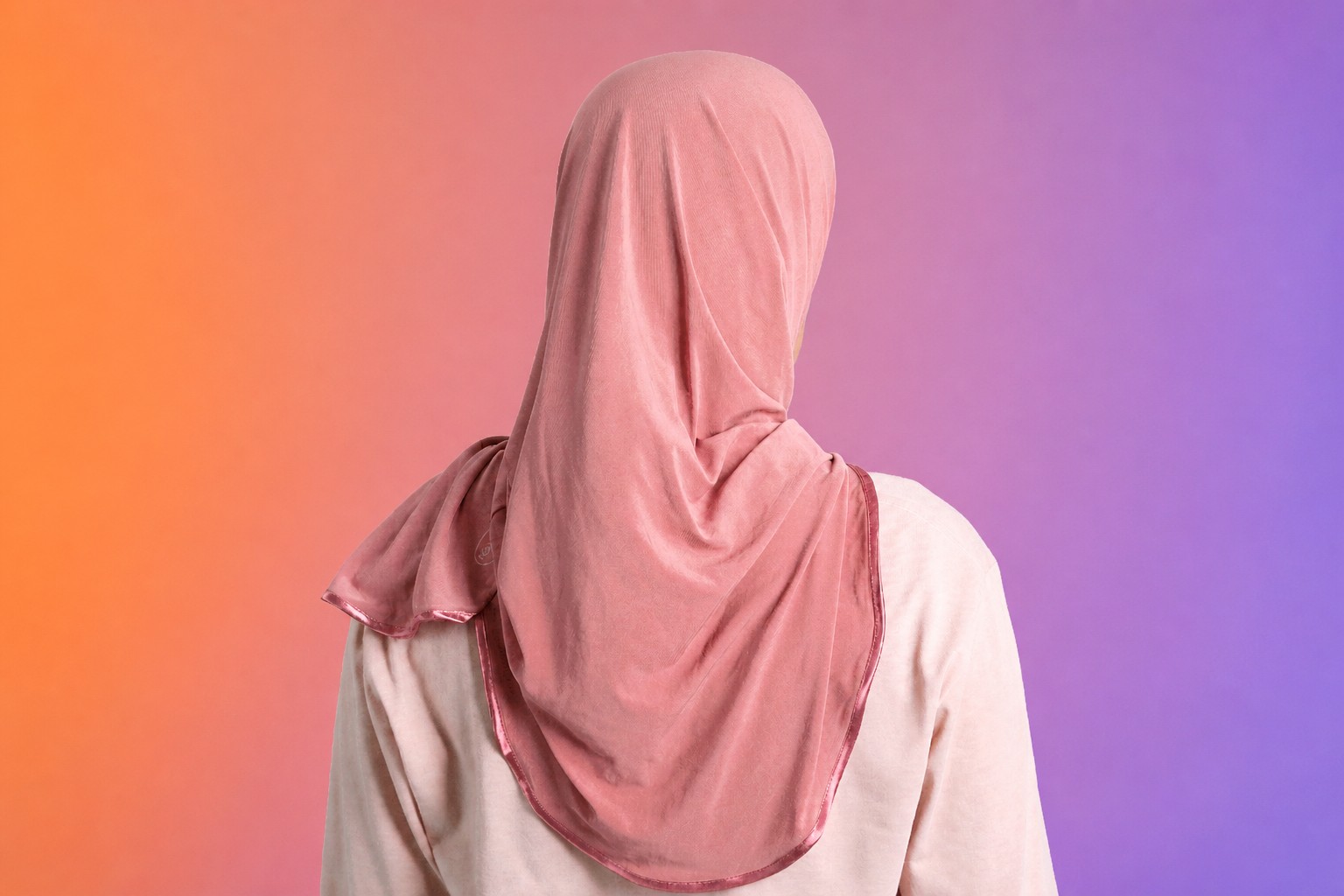
The Guardian’s test followed an incident involving French far-right politician Julien Odoul. The National Rally member posted an altered image of a real Muslim woman, with her hair and arms exposed, on X. He captioned it “LIBERTÉ FRANÇAISE” (“French freedom”) and quoted the original photo, which showed the woman crossing a street in a hijab and a long dress.
Illustration: Guardian Design/Getty Images
Source: theguardian.com
It is not known which tool or AI model Odoul used, or whether he edited the image himself. Experts see the incident as part of a growing wave of anti-Muslim hatred amplified by technology.
In India, where anti-Muslim sentiment is widespread, generative AI is increasingly used to create images that sexualize Muslim women or dehumanize Muslims more broadly, according to research by the US nonprofit Center for the Study of Organized Hate (CSOH). The group also found AI-assisted harassment targeting prominent Muslim politicians in the US, including Ilhan Omar and Rashida Tlaib.
CSOH research and public relations director Eviane Leidig said the examples continue systematic attacks on Muslim communities, particularly Muslim women.
A rule is not the same as protection
Grok readily removed the hijab but refused to remove a dress from another AI-generated woman. Asked about the difference, it described the hijab as a relatively simple change to clothing and hair: the head covering could be replaced with natural hair. It suggested less revealing alternatives to removing the dress, such as lingerie or other clothing, or partially exposing the body.
In May, xAI said it had introduced technical restrictions intended to stop its image generator from complying with requests to undress real people wearing revealing clothing, such as swimsuits.
ChatGPT also refused to remove the AI-generated woman’s dress. It explained that a hijab covers the head, while removing a dress would expose the body. Later, it acknowledged that showing a hijab-wearing person’s hair could seriously violate their privacy or religious practice. It also said that the absence of nudity does not mean an edit cannot breach a person’s privacy, dignity or religious boundaries.
The Guardian tried similar edits involving other religious clothing. ChatGPT readily generated images of people without a turban traditionally worn by Sikh men and without a Catholic nun’s habit. Gemini first refused to generate a man without a turban, then did so after being asked to make him “more Western.” It had previously said that removing a hijab from a photograph would require AI to guess what was under the clothing or head covering. Yet it removed a nun’s habit from an AI-generated image.
Claude drew a firmer line: it said it would not remove a hijab from a real woman’s photo, regardless of the user’s intentions. It explained that changing an image in connection with a person’s religious clothing and identity could be used to humiliate, harass or misrepresent them. The same reasoning applied to public figures and private individuals.
Leidig said these differences expose gaps in the rules governing chatbot behavior. She also said X was weakening enforcement of its existing rules, thereby encouraging far-right figures. Removing a hijab may not count as an explicit platform-rule violation, she said, but can still cause harm. OpenAI, Google, xAI and Anthropic declined to comment.
What the test leaves unresolved
Public chatbots and third-party “undressing” apps are widely used to depict women, and sometimes minors, as nude. In January, sexualized images of women spread widely on X after users found they could ask Grok, developed by Elon Musk’s xAI, to undress photos posted to the platform. The spread of those images prompted, among other actions, a French investigation into X. Malaysia temporarily restricted Grok.
I think the most revealing contrast is not simply which chatbot said yes or no. Several systems treated a religious head covering as easier to remove than clothing that would expose the body, while some also produced edits of other religious garments. That leaves a difficult boundary: safeguards focused on nudity can miss the harm of altering a person’s appearance in ways tied to faith and identity.
The announcement says nothing about whether these systems can reliably distinguish a real person from an AI-generated one, or how they would handle a request framed less bluntly than “make her more Western.” Without answers, a refusal in one test is not evidence of a dependable boundary—and a compliant edit can travel far beyond the user who asked for it.

Source: theguardian.com
Daily AI news
Every day we pick what actually matters in AI and explain it plainly — no hype, no filler. Subscribe if you want to follow where the industry is going.
Only what matters — every day
Follow on X