A signature is not just a credit
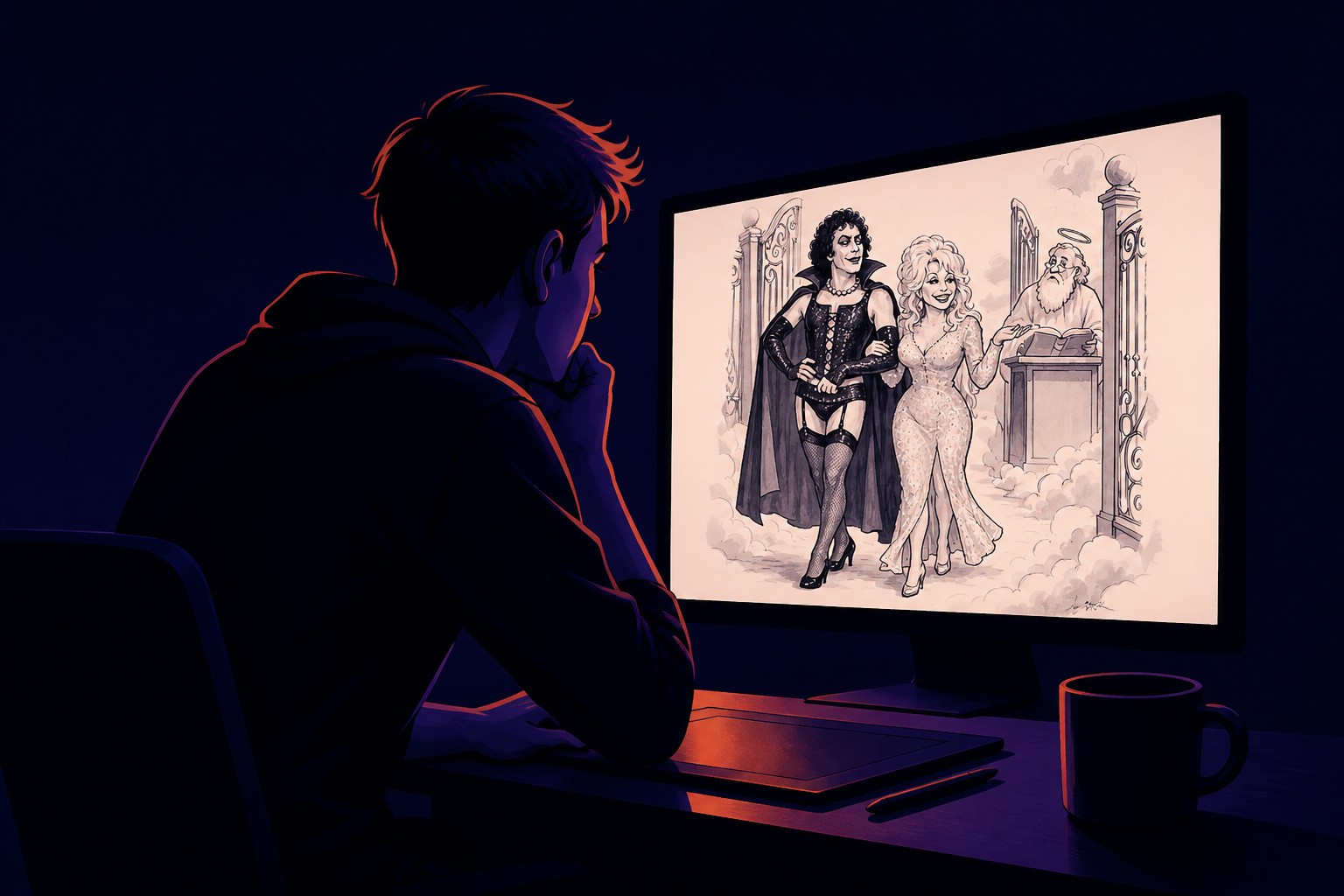
This was not the first time ChatGPT had attached Loper’s name to an image it generated. In May, he was alerted to another chatbot-created picture bearing his signature.
Loper knew his work was being used to train AI. But he said the false signature crossed a line. He does not consider himself the owner of every piece he has made; his name, however, belongs to him.
He signs only work he publishes online and considers his own. On a drawing, the signature is his confirmation of authorship and part of his brand. A generated image bearing it can therefore misrepresent not just who made the cartoon, but whether Loper chose to stand behind it.
From copyright to trademarks
The incident points to a problem beyond the use of artists’ work in training. Models trained on large collections of text, images, video and art can also reproduce identifying marks alongside images their owners never made.
A related trademark issue appeared in Getty Images’ largely unsuccessful lawsuit against Stability AI. The judge found that Stability’s image generator had infringed Getty’s trademark by repeatedly producing images with the company’s watermark.
I think the signature matters here because it makes the harm unusually legible: the model is not merely drawing in a recognizable style, but placing a real person’s claim of authorship under an image they did not create. What I’d want to know is how often these attributions appear, and whether the companies can reliably prevent them. The announcement offers no answer. For artists, the risk is twofold: their work can be used by AI, and their names can then be attached to images they would never claim as their own.
Daily AI news
Every day we pick what actually matters in AI and explain it plainly — no hype, no filler. Subscribe if you want to follow where the industry is going.
Only what matters — every day
Follow on X