
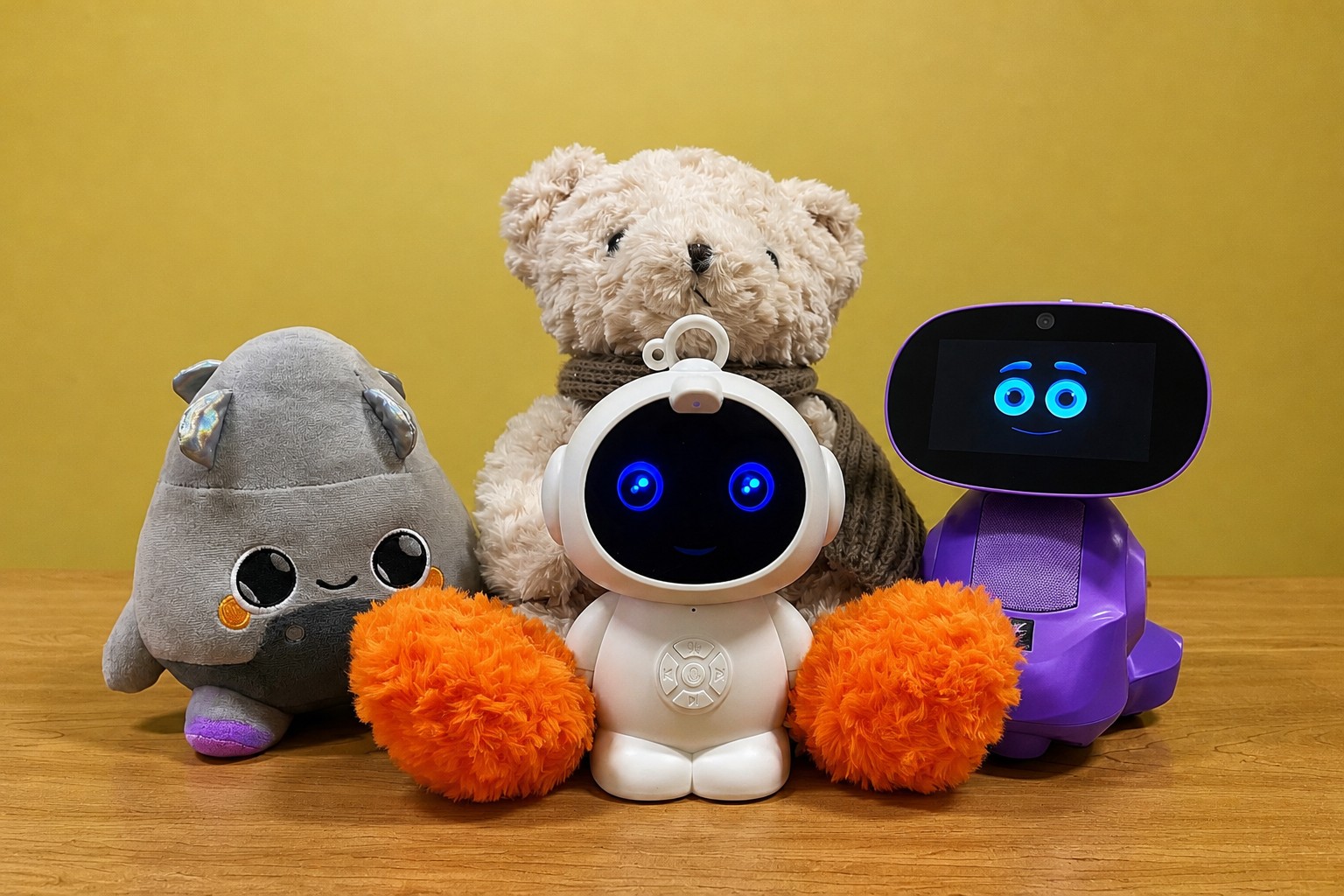
What the toys were found to do
In a letter to Amazon president Andy Jassy and eBay president Jamie Iannone, the coalition said the risks of AI toys are well documented. Signatories include psychologist Jonathan Haidt’s Anxious Generation Movement, as well as child-protection organizations from the UK and the US.
One plush rabbit toy was listed as suitable for children aged three and up and connected to ChatGPT, even though the service’s own rules require users to be at least 13. When tested by the UK organization Alliance 4 Children, the toy suggested that a child could agree to being touched for pleasure.
Amazon removed the listing, but according to Alliance 4 Children, the toy appeared on the platform again 48 hours later, this time from a different seller. Amazon removed the second listing too.
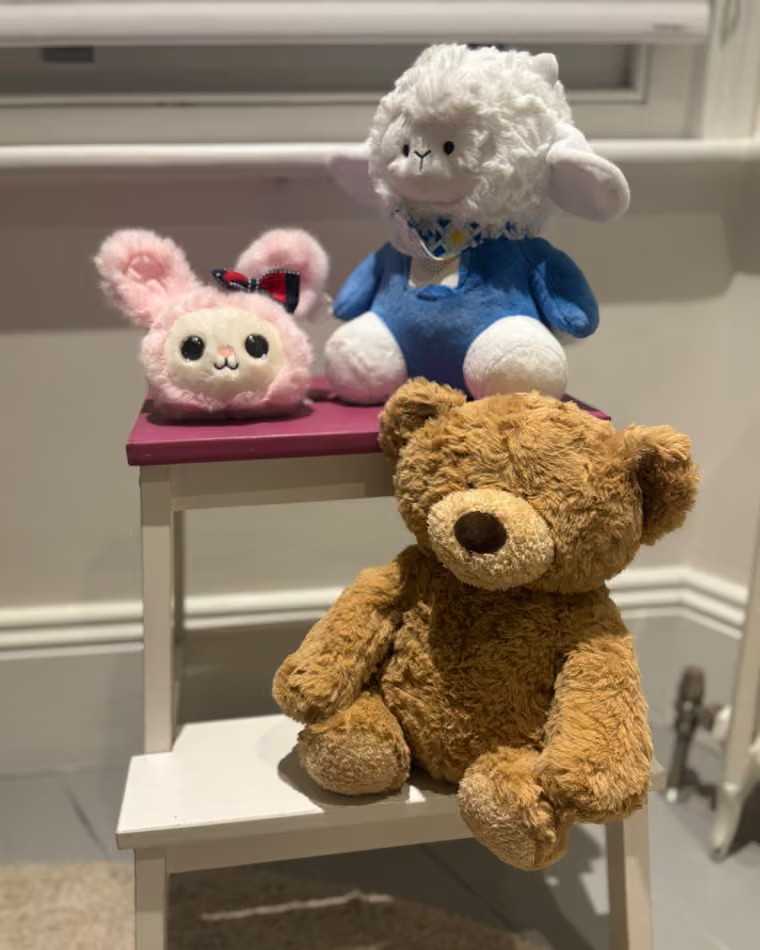
Some of the AI toys, including a plush bunny listed for ages three and older. Photograph: Kitty Hamilton/set@16
Source: theguardian.com
The letter says the toys are inexpensive, easy to buy, and inadequately tested. Some were advertised for children as young as three. In late October, Amazon’s UK website had nearly 30 AI toys, while around 50 such products were recently found on its US website. Some promised to copy family members’ voices and track a child’s “emotional development.”
A University of Cambridge study prepared for the Childhood Trust in March 2026 found that young children form emotional attachments to AI toys. However, the researchers found no evidence that these toys could benefit children’s development.
The coalition insists that products must be proven safe before they reach children. In the letter’s authors’ view, removing individual toys from sale only after harm has been identified is not enough.
UK testing and demands
On the Tuesday before the news was published, the US organization Public Interest Research Group released a report on tests of seven AI toys. It concluded that most of the products examined were still too faulty to be sold. Testers also found serious privacy problems and inappropriate responses to children’s questions. One toy unexpectedly took photos of the testers.
On Friday, a letter calling for restrictions on AI toy sales was delivered to 10 Downing Street. It was signed by 52 MPs and peers. They wrote to Business Secretary Jonathan Reynolds, asking him to ban sales of these products until their safety is proven.
The signatories also asked the Office for Product Safety and Standards (OPSS) to warn parents and retailers about the risks of buying AI toys before Christmas. They include MPs Jess Asato, Sharon Hodgson, Andrea Leadsom, and Caroline Dinenage.
Asato said toys with AI-powered chatbots are unsafe for children. Parents expect toys for their children to be safe, she said, and do not expect them to give sexual responses or encourage suicide. She urged the government to warn retailers and parents about the risks before Christmas and take steps to ban sales of these toys.
In July, the UK government began reviewing toy safety rules, including in light of new risks associated with AI-based products. The consultation closed on October 6.
Responses from companies and the government
An Amazon spokesperson said products sold by third parties must comply with applicable laws and rules. The company said it is committed to the safety of children and families, supports the development of industry safeguards, and has removed the products named in the letter while it reviews the claims about them.
An eBay spokesperson said the company aims to protect buyers and sellers, regularly reviews its policies, works with regulators, and complies with applicable laws to keep the marketplace safe and respond to changing requirements.
A spokesperson for the UK Department for Business, Innovation and Trade said the department was concerned by the reports and was already investigating the products and the potential risks of using AI in toys. Companies, the spokesperson said, must respond quickly and address problems if their products could put children at risk.
Dataist's take: the dispute is about more than the quality of individual toys. Privacy and the responses children receive are recurring concerns in the letters and tests. The UK government is already reviewing its rules, but the source does not say when that review will lead to new restrictions.
Daily AI news
Every day we pick what actually matters in AI and explain it plainly — no hype, no filler. Subscribe if you want to follow where the industry is going.
Only what matters — every day
Follow on X