
Source: anthropic.com
Why a route has to be planned in advance
For Perseverance, that planning has traditionally been done by specialists. This time, engineers at NASA’s Jet Propulsion Laboratory used Claude to help plan a 400-meter drive. The model’s proposed route passed through simulation, received minor edits from human operators, and was sent to the rover.
That distance is about one lap around a running track. The more significant change is that an AI model helped plan a real route on another planet.
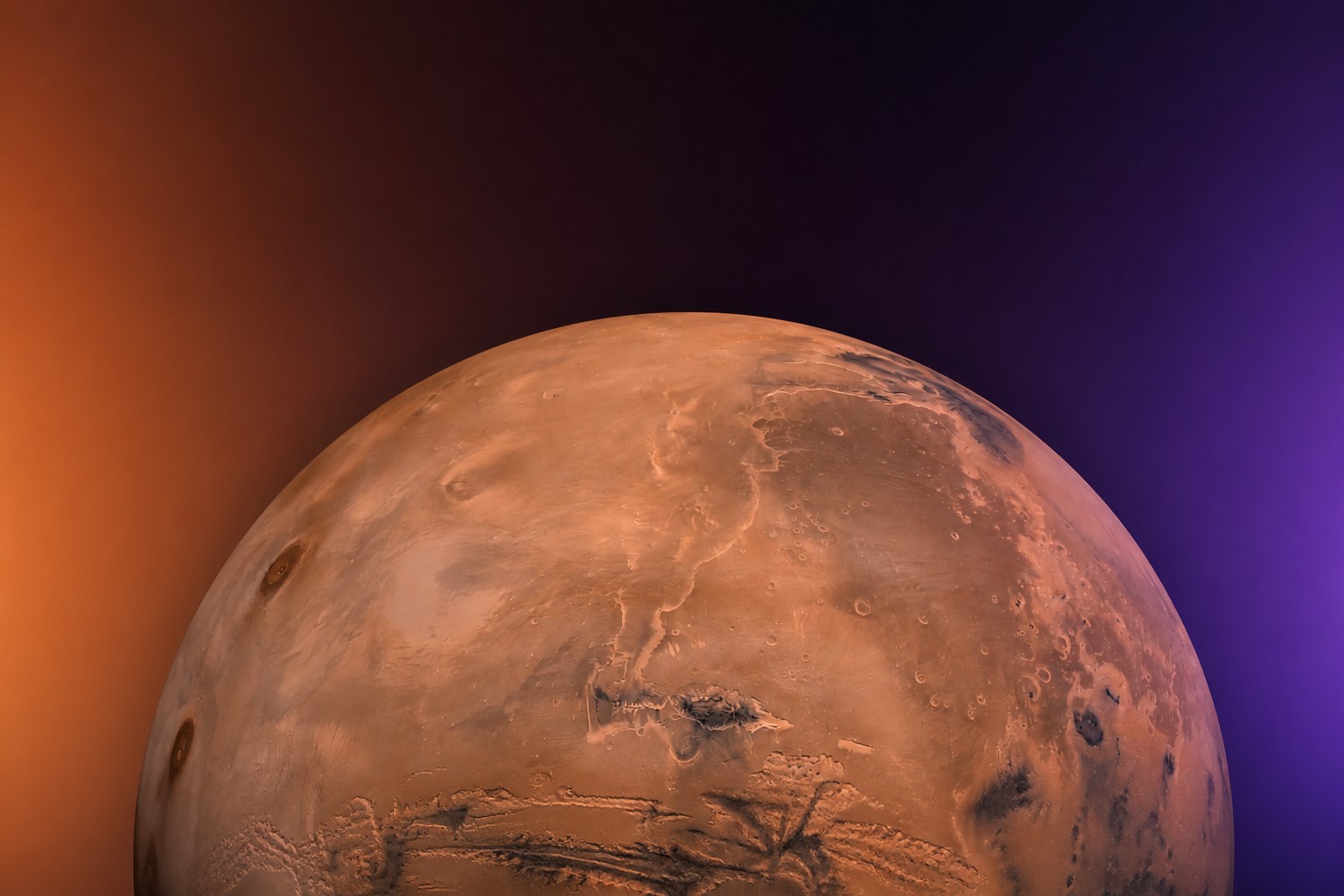
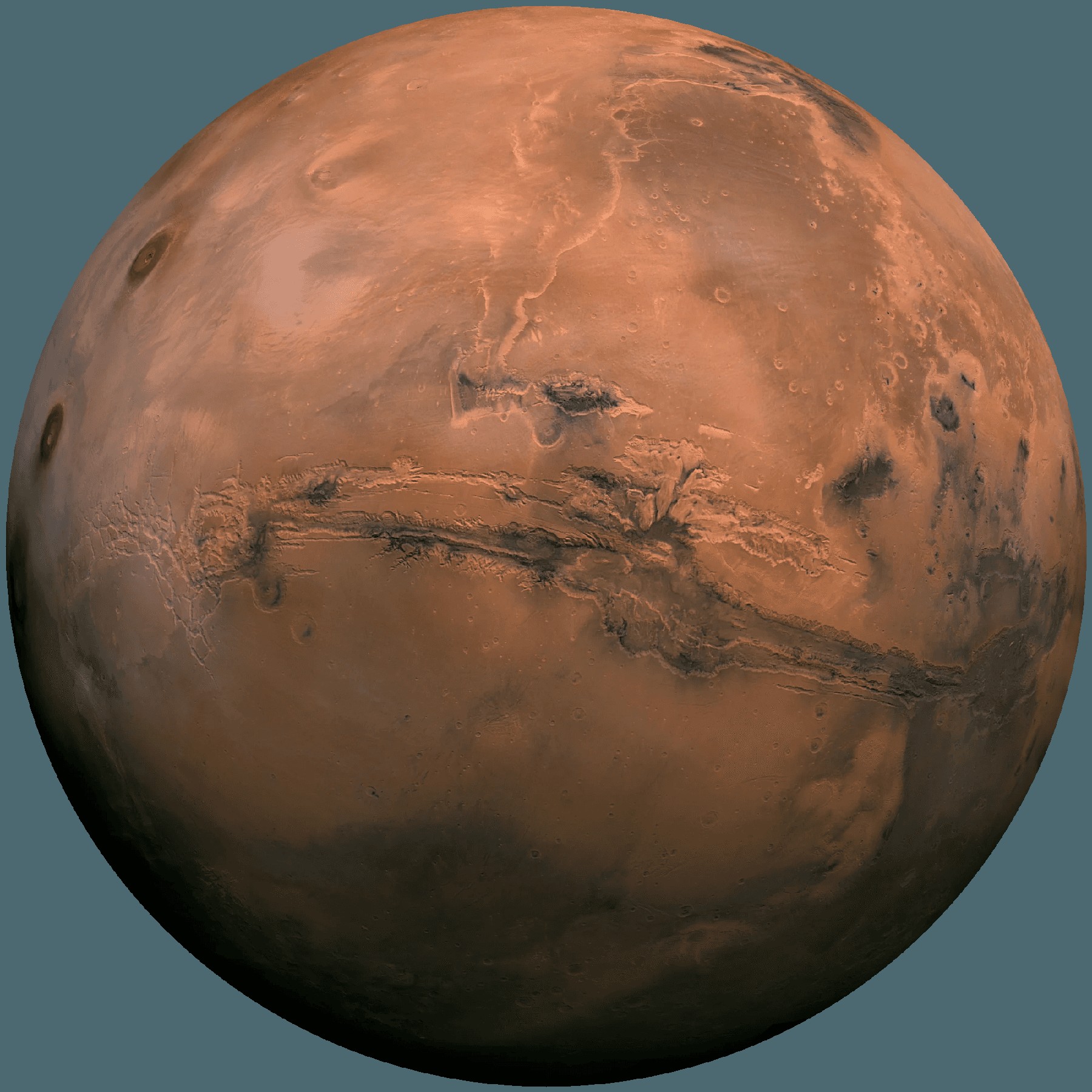
Perseverance has been operating on Mars since landing in February 2021. It studies the planet’s geology and past climate, collects rock and regolith samples, and prepares for future human exploration. Its landing site, Jezero Crater, is 45 kilometers wide and was selected because evidence suggests it held water billions of years ago. The rover has also found intriguing signs of possible ancient biology.
From orbital images to rover commands
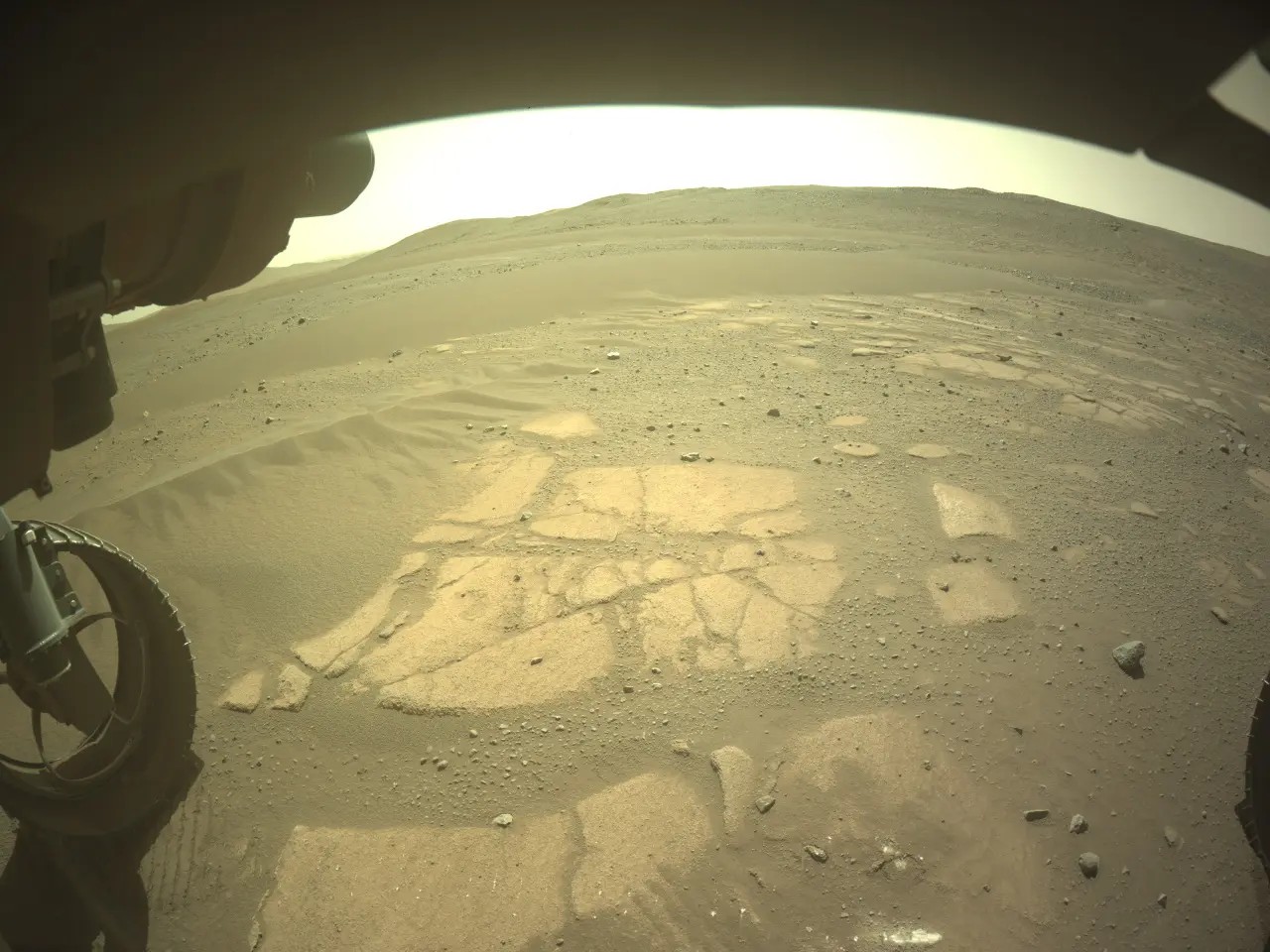
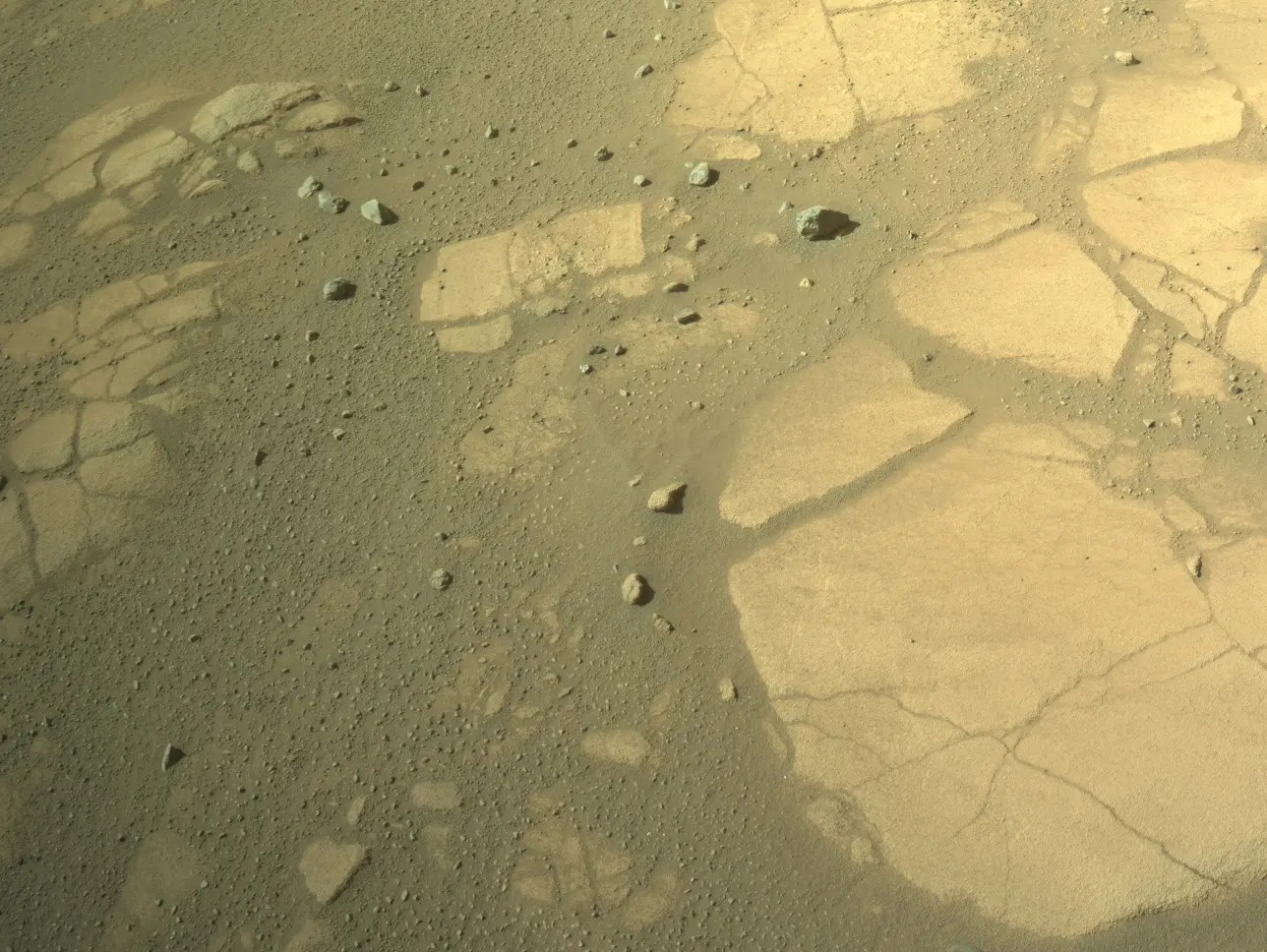
Rover routes have to account for terrain that can make a vehicle slip, tip over, spin its wheels or get stuck. Operators traditionally used images from orbit and the rover’s own cameras to lay out intermediate points, creating a route known as a “breadcrumb trail.”
Source: anthropic.com
The stakes are not abstract: in 2009, Spirit, one of Perseverance’s predecessors, drove into a sand trap and could not move again.
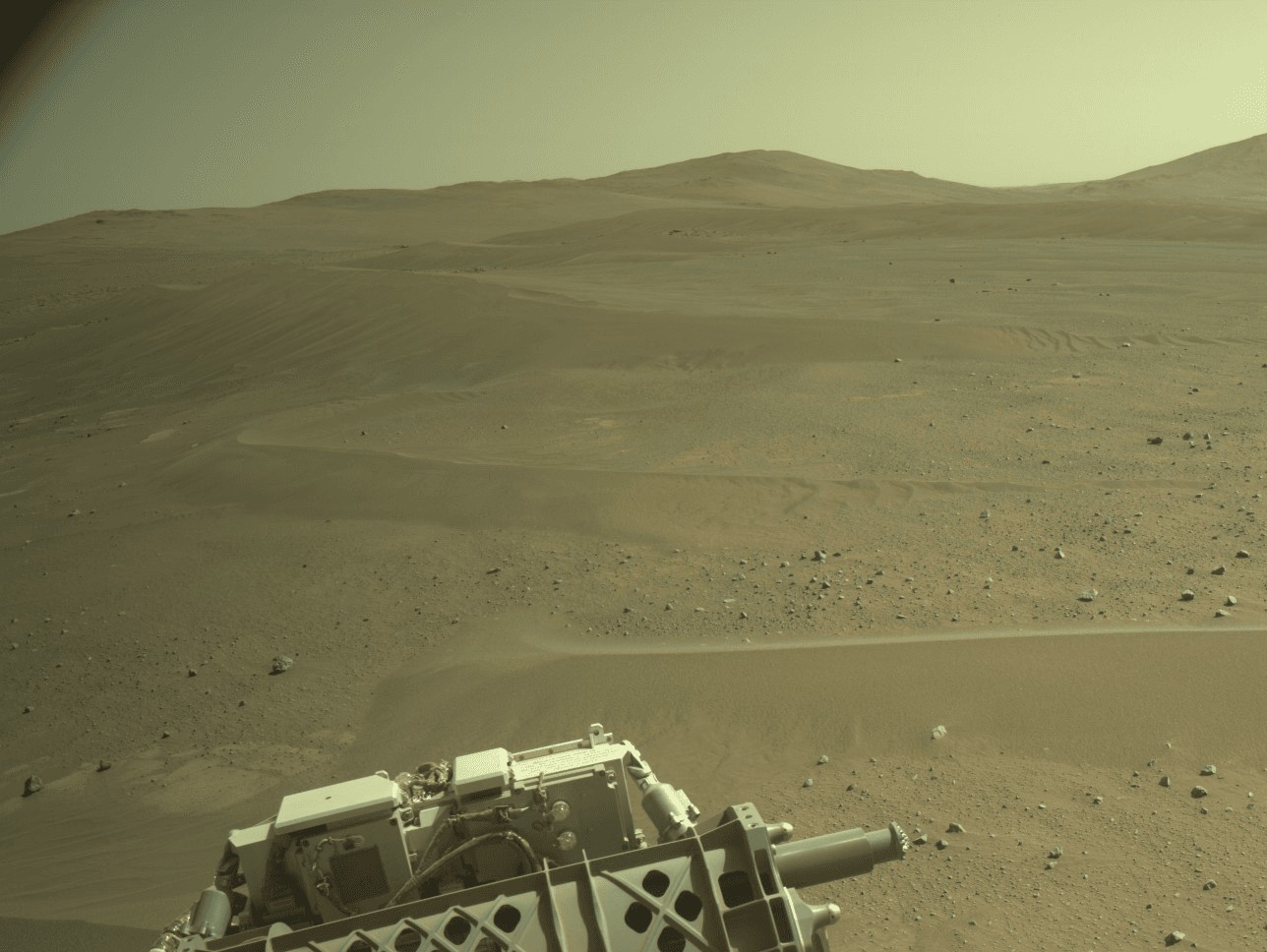
Perseverance has an AutoNav system that can avoid obstacles between points, but it sees the terrain from the rover’s position and cannot plan far ahead. JPL engineers wanted to find out whether Claude could help reduce the time spent plotting routes without sacrificing the accuracy of human planning.
They set up the workflow in Claude Code and gave the model the task of placing waypoints. A prompt alone was not enough. Engineers supplied accumulated mission data and operational experience as context; Claude then used those materials and its coding abilities to write commands in Rover Markup Language, an XML-based language created for the Mars Exploration Rover mission.
Claude analyzed overhead terrain images and plotted Perseverance’s breadcrumb trail for sols 1707 and 1709, roughly December 8 and 10 on Earth. It connected 10-meter segments, then reviewed its own proposed waypoints and suggested corrections.
Before sending the route, engineers ran it through the same simulation Perseverance uses to check commands. The simulation modeled more than 500,000 variables to estimate the rover’s positions and predict hazards.
The simulation modeled more than 500,000 variables to estimate the rover’s positions and predict hazards along the route.
Source: anthropic.com
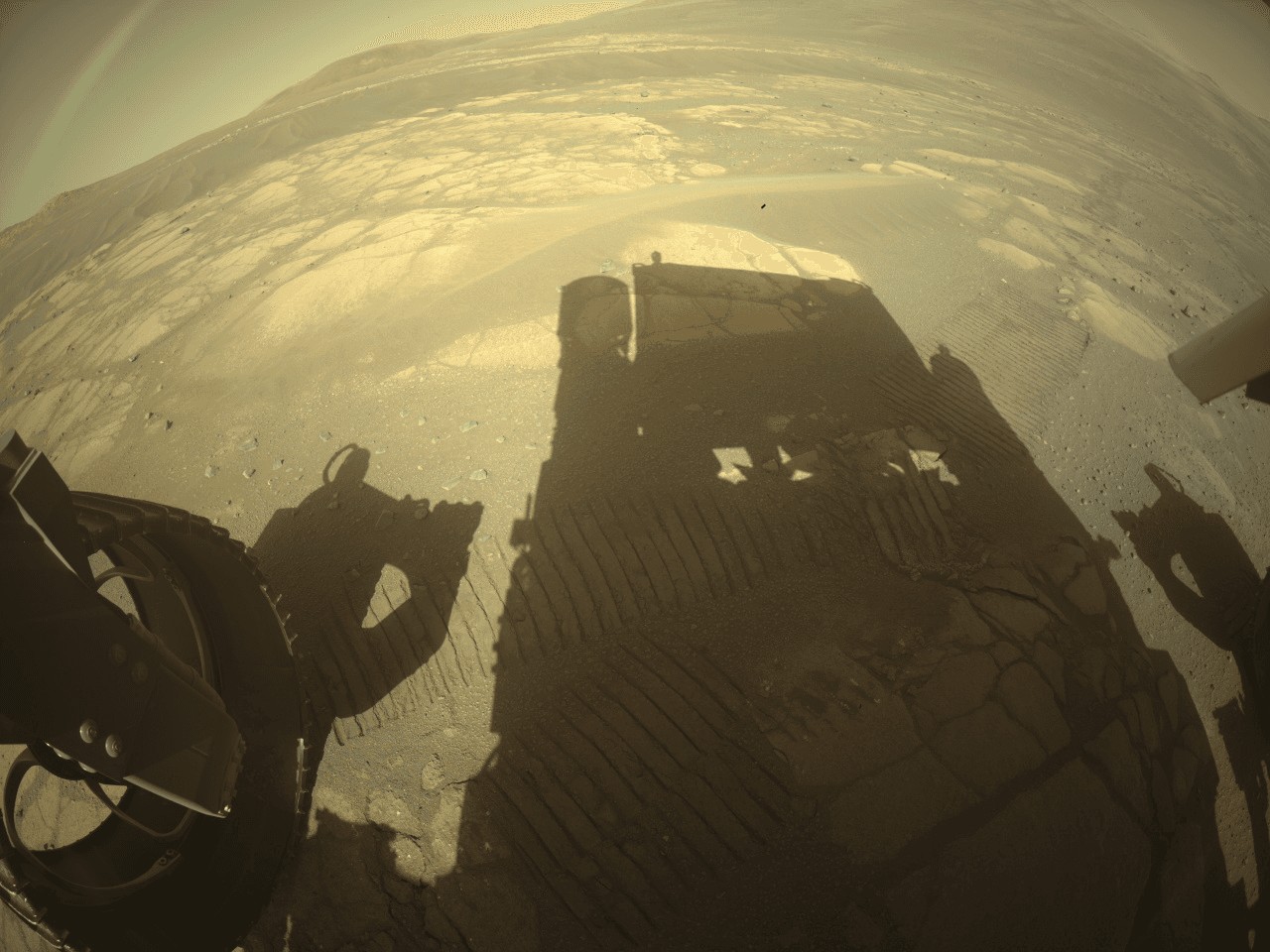
The review found that only small changes were needed. Surface-level camera images, which Claude had not seen, showed sand ripples along the edges of a narrow corridor more clearly. Operators divided that section more precisely than the model had. The rest of the route passed review, and Perseverance completed the planned drive.
JPL engineers believe this approach could cut route-planning time in half, leaving operators more time for science and potentially allowing the rover to travel more often.
The useful result is not autonomy
I think the clearest result here is not that Claude can drive a rover. It did not: people supplied mission context, checked the proposed route, changed a section the model had missed, and approved the commands. The demonstration is narrower, but more useful to judge: Claude handled a planning task inside a human-controlled process, and the route held up under the mission’s simulation.
What remains unclear is how often this workflow will save time in practice, and how much of the claimed reduction depends on engineering support that had to be built around the model. The announcement describes two planned sols and one successful drive; it does not establish that the same results will hold across different terrain or more difficult routes.
The work is also a test for future missions, where communications delays and limited operator access could make autonomous planning more valuable. NASA’s Artemis program aims to return people to the Moon and eventually establish a US-led base near its south pole.
NASA’s Artemis program aims to return people to the Moon and eventually establish a US-led base near its south pole.
Source: anthropic.com
Further out, AI systems could help probes explore more distant parts of the solar system, where solar power becomes less available, signals from Earth may take hours, and pressure, temperature and radiation make robotic operations more dangerous.
Autonomous AI systems could help probes explore increasingly distant parts of the solar system.
Source: anthropic.com
A 400-meter route is a small demonstration, not proof that a rover can manage itself. But it points to a practical direction: let models do more of the planning, while keeping verification and authority with the people who know what a bad route can cost.
Source: anthropic.com
Daily AI news
Every day we pick what actually matters in AI and explain it plainly — no hype, no filler. Subscribe if you want to follow where the industry is going.
Only what matters — every day
Follow on X