
A route the chatbot had never taken
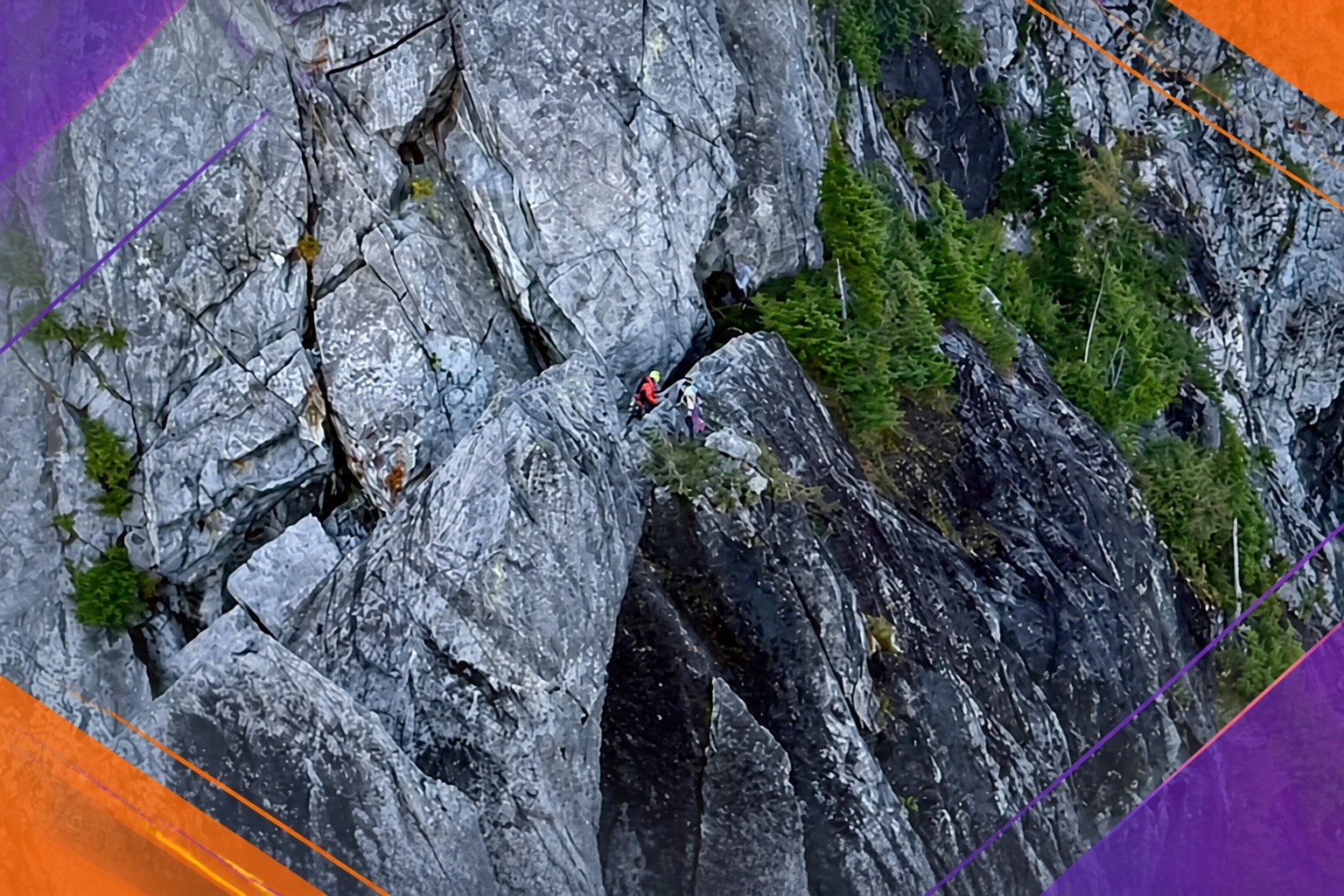
The teenager had ridden a gondola to a point more than 4,000 feet above sea level near the summit of Grouse Mountain. During the descent, Anthropic’s Claude chatbot directed him away from the route.
A helicopter could not get close to the sheer cliff, so two rescuers went down to reach him. According to North Shore Rescue’s report, they secured a rope system on the ground; one rescuer descended to the teenager, set up an additional safety line and moved him to a suitable place for evacuation.
Markey urged people not to rely on chatbots such as Claude for this kind of advice. Claude had never been in the area, walked the route or spent time outdoors, he told CTV News. He advised hikers to research the area, build local knowledge, get training and use navigation tools.
The gap between an answer and experience
This was not the only recent rescue linked to chatbot advice. Last month, US Forest Service rangers rescued three hikers in California’s Cascade Mountains after Google’s AI advised them to bring far too little food and water. What was planned as an eight-hour climb became a multi-day ordeal.
I think the crucial detail in both cases is not simply that a chatbot gave bad advice. It is that confident directions can look usable even when the system has no firsthand knowledge of the place or the conditions. Markey’s advice points to the difference: navigation tools and preparation belong in the plan; a chatbot should not stand in for either.
The teenager made the right call once he was stuck. But the incident leaves a sharper boundary for AI assistants: in the outdoors, a plausible route is not the same thing as a safe one.
Daily AI news
Every day we pick what actually matters in AI and explain it plainly — no hype, no filler. Subscribe if you want to follow where the industry is going.
Only what matters — every day
Follow on X