
The pipeline is thinner than the pledge
RegLayer, a company that analyzes regulatory requirements, says 47 major data-center projects have already fallen through this year. Bernstein analysts estimate that only about 35% of planned facilities are feasible.
Local opposition is one reason projects are canceled. High interest rates and an unstable bond market are adding pressure: people in the industry told the Financial Times that the conditions “threaten their plans.”
The financing problem is landing on projects that may already have been overextended. According to the Financial Times, Anthropic and OpenAI pushed hard for data-center construction because they saw it as important to their success, accepting excessive costs and paying less attention to project checks.
Investors are repricing the risk. CoreWeave, a cloud provider closely tied to the AI data-center sector, has lost more than 27% of its share price over the past month.
What happens if the AI economics weaken?
Data-center expansion has become a political issue as concerns grow about AI’s effects on society and jobs, and about the impact of facilities on local communities. It is now among the key debates ahead of the midterm elections.
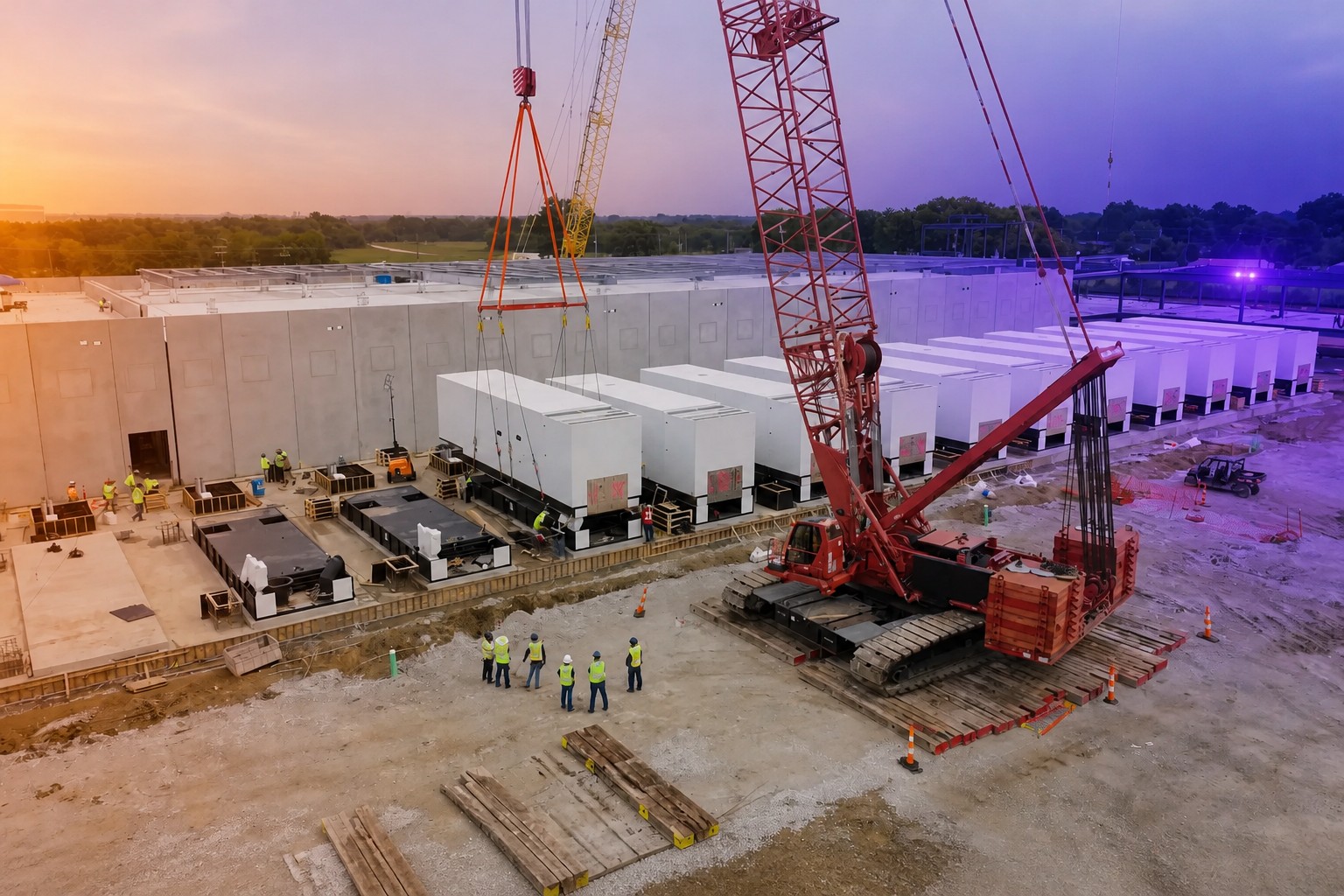
Construction is still moving forward, but much more slowly than expected. One unnamed industry executive told the Financial Times that investors are no longer willing to back data centers unconditionally and that financing them has become significantly harder.
I think the revealing gap is between the scale of the investment pledge and the share of planned projects Bernstein considers feasible. The announcement is quiet about what happens to that pipeline if the financial foundation of the AI industry starts to crack — a possibility economists have raised in recent years. For now, the buildout continues, but the money behind it looks less assured than the headline promised.
Daily AI news
Every day we pick what actually matters in AI and explain it plainly — no hype, no filler. Subscribe if you want to follow where the industry is going.
Only what matters — every day
Follow on X