
The analysis covers five jurisdictions: New South Wales, Victoria, Tasmania, Queensland and the Australian Capital Territory. They are the only jurisdictions that publish ministers’ meeting schedules. In total, industry representatives held 119 meetings there over three years, most of them in 2026.
Queensland officials held the most meetings with industry executives
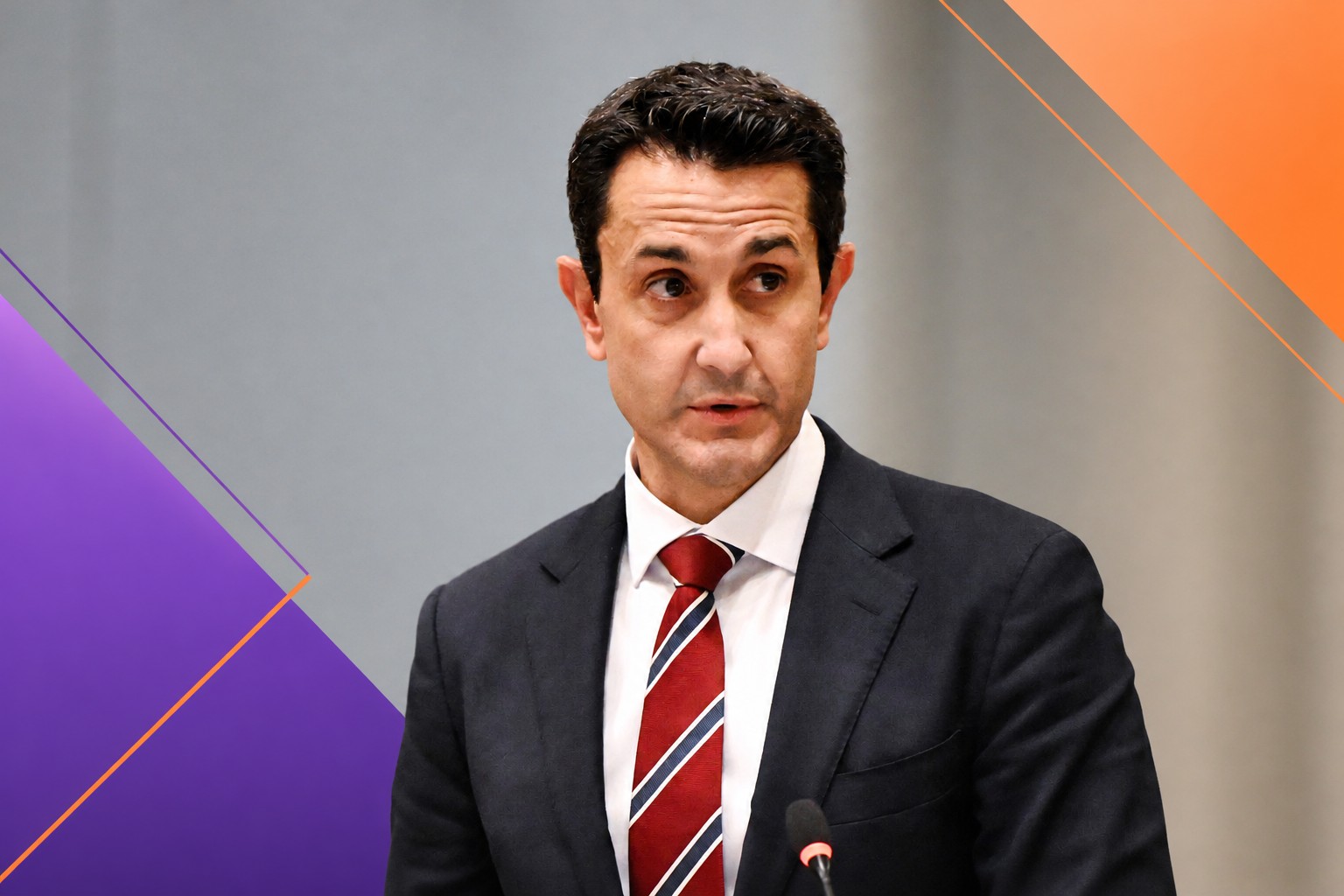
Queensland Premier David Crisafulli met with data center executives 13 times over three years, more than any other state leader. In August and September, he met with NextDC three times within a few weeks. NextDC is Australia’s largest data center operator.
This happened about a month before NextDC’s expansion in Melbourne stalled: the power company postponed construction of new transmission towers after local residents protested. Transparency International’s report says the meetings took place shortly before Crisafulli announced a special fast-track approval process for data centers, which would take such decisions out of the hands of local councils.
Crisafulli supports data center investment. In September, he traveled to the US and secured a $31.9 billion agreement with Anthropic that could lead to the creation of Australia’s largest data center. His office was asked to comment on the analysis’s findings.
Transparency International Australia executive director Clancy Moore said the published figures show only some of the contacts. The organization does not know how many times NextDC, OpenAI, Anthropic and their third-party lobbyists met with Australia’s prime minister and federal ministers. In addition, Australia’s lobbying rules do not cover in-house company lobbyists or government relations staff, leaving their work largely unmonitored.
Donations, meetings and officials moving into industry roles
The report also notes that Australian company Firmus Technologies held ten meetings with Tasmania’s premier and ministers this year alone. At the same time, the company’s expansion in the state prompted prolonged discontent among local residents, who say they were not consulted enough.
Representatives of Amazon Web Services, Macquarie Technology Group and NextDC met with ministers more often than others. Guardian Australia previously reported that Amazon and Macquarie donated to both of the country’s largest political parties. The donations coincided with announcements of government contracts worth millions of dollars or plans for expansion. Both companies said the donations were not intended to influence policy and that the timing was coincidental.
At NextDC’s annual shareholder meeting, one shareholder said the company did a lot of lobbying in Canberra and urged it to do more to explain the benefits of data centers to the public. NextDC chair Stephen Flynn replied that he was not sure whether the company or the industry as a whole was good at lobbying. Data centers and telecommunications systems had once been an unobtrusive part of infrastructure, he said, but companies could no longer count on remaining invisible.
The report also lists four cases in which senior federal public servants left their posts for executive roles at OpenAI, AirTrunk and CDC. Three of those appointments took place this year.
Sally Mackenzie, president of the Australian Association of Government Relations, described active business engagement with ministers as a sign that the system was working as intended. The development of AI and data centers had accelerated the process because the stakes were high for businesses, the government and Australian residents, she said. Mackenzie sees lobbying as part of the democratic process, allowing different stakeholders to make their case to the government.
Dataist’s take: The number of meetings and donations shows the scale of the industry’s influence, but public schedules cover only five jurisdictions and do not show federal contacts. Another limitation is that the rules do not cover in-house company lobbyists, so public data do not capture all the ways businesses engage with officials.
Daily AI news
Every day we pick what actually matters in AI and explain it plainly — no hype, no filler. Subscribe if you want to follow where the industry is going.
Only what matters — every day
Follow on X