
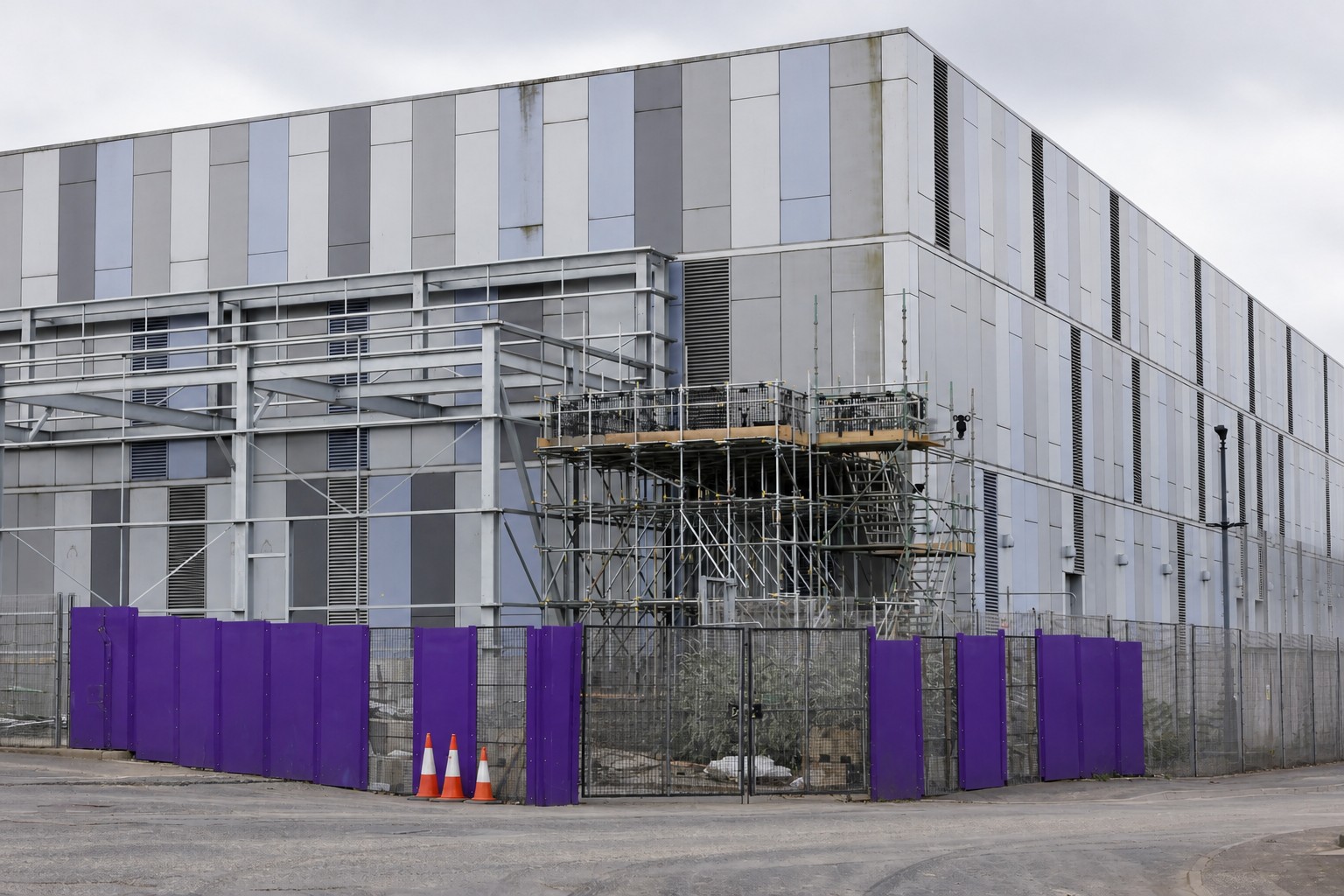
DataVita backs away from promise to power Scottish data center solely with renewables
What changed in the plan
DataVita said its project near Glasgow would run on renewable energy. The company promised to source 1 GW from “green” sources—roughly the output of a small nuclear reactor or the UK’s largest wind farm.
After The Guardian asked how the promise would be fulfilled, the company clarified that it depended on final commercial agreements, planning, grid connections and the necessary permits.
DataVita then changed its description of the project. The data centers will now be powered entirely by the national grid, with solar and wind farms potentially connected later. The company also says electricity from the grid will come mainly from renewable sources.
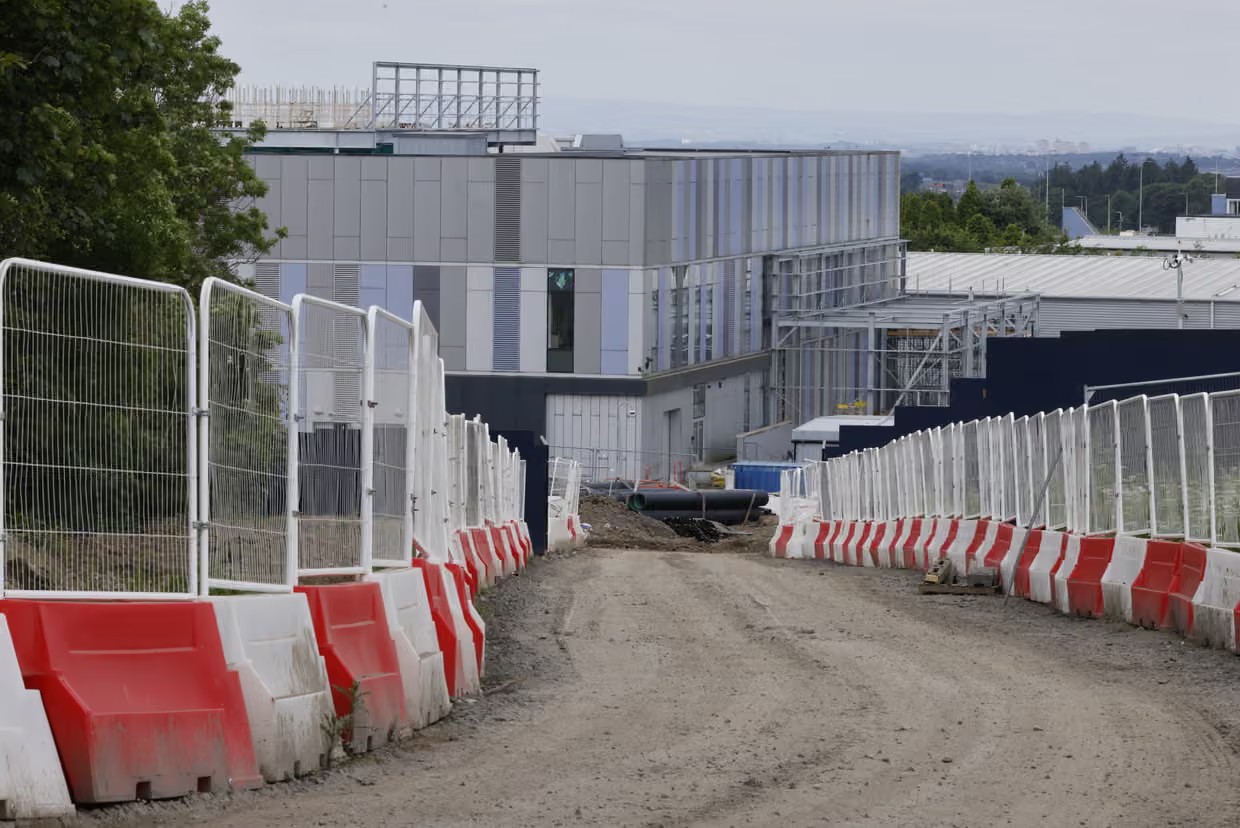
DataVita was to build a designated ‘AI growth zone’ in Lanarkshire. Photograph: Murdo MacLeod/The Guardian
Source: theguardian.com
DataVita told The Guardian that it had not misled anyone when it spoke earlier this year about supplies of renewable energy. A company representative confirmed that its position on the issue had not changed, adding that the data centers were being designed with grid connections and that electricity would be purchased under a renewable energy purchase agreement.
That explanation differs from DataVita’s earlier statement. At the time, the company said more than 1 GW of renewable energy capacity, including wind, solar and energy storage, would be connected directly to the data centers through private lines.
DataVita has nevertheless left open the possibility of connecting the sites to renewable energy sources later, through a wind and solar farm the company proposes to build in North Lanarkshire.
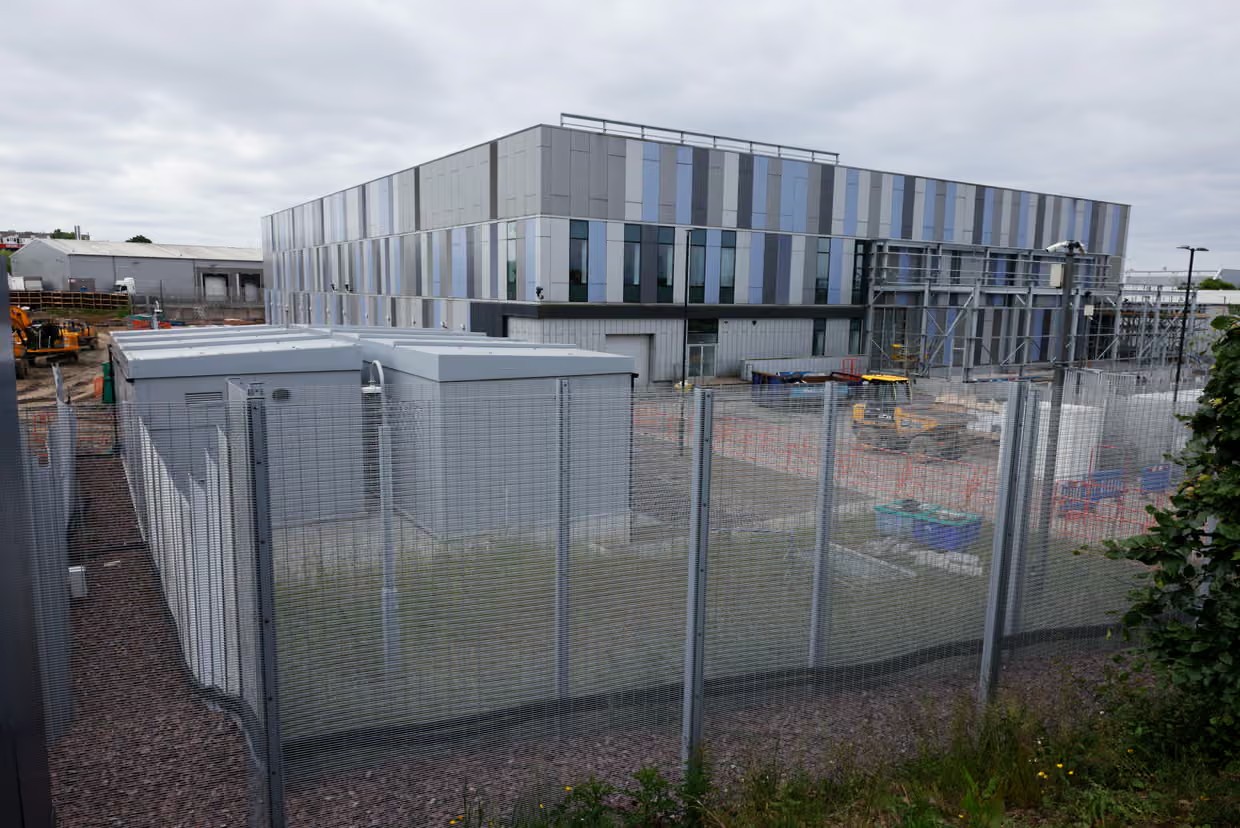
DataVita left open the possibility that its datacentres would connect to renewable energy in the future. Photograph: Murdo MacLeod/The Guardian
Source: theguardian.com
What is at stake for the UK’s strategy
DataVita described the project in Chapelhall, near Airdrie, as transformative for the village’s economy. The company was supposed to build a 500 MW data center and create 3,400 jobs. The project still has £202 million in government guarantees from the UK National Wealth Fund.
Under former Prime Minister Keir Starmer, the UK planned to establish AI growth zones across the country, with large data centers. Developers of these sites could receive electricity incentives and faster decisions on planning applications. DataVita was expected to be one of the programme’s key participants, creating such a zone in Lanarkshire.
But just over a year after the strategy was announced, it ran into difficulties: investigations by The Guardian found that many of the proposed projects lacked a solid foundation. Two other major investments in UK AI infrastructure announced by Starmer’s government also came under scrutiny amid doubts about whether the sites could secure enough energy and pay its high cost.
AI data centers are among the most energy-intensive structures built by humans. Electricity in the UK costs more than in most European countries, and waiting for new sites to connect to the national grid can take years. DataVita has now also stepped back from its original plan to supply its project with power.
Kat Jones, director of the Edinburgh-based charity Action to Protect Rural Scotland, called DataVita’s change of course an example of data center developers making exaggerated promises in Scotland. She said large AI data centers cannot run solely on renewable energy and need a reliable grid connection; she was not surprised that the stated terms had changed.
Dataist’s take: the project highlights the gap between promises of locally supplied renewable energy and plans to connect the data center to the national grid. DataVita has not said when the wind and solar farms might be connected.
Daily AI news
Every day we pick what actually matters in AI and explain it plainly — no hype, no filler. Subscribe if you want to follow where the industry is going.
Only what matters — every day
Follow on X