
How the network grew
Decrypt Ads tracks online advertising supply chains. Security expert and researcher Zak Edwards told Futurism he first found about 400 suspicious sites, then used technical fingerprints to connect hundreds more to those domains.
The report describes sites that invent both recipes and the people supposedly behind them. Some use AI-generated portraits and fabricated biographies to look like authentic cooking publications. Edwards said the researchers expected operators to hide their connections because they did not want people to know which sites they controlled.
The sites also seek traffic through visual platforms. Edwards said the fake brands were especially persistent on Pinterest, Twitter and Facebook, and that operators try to attract organic traffic wherever visual content is available.
A familiar face, a fictional cook
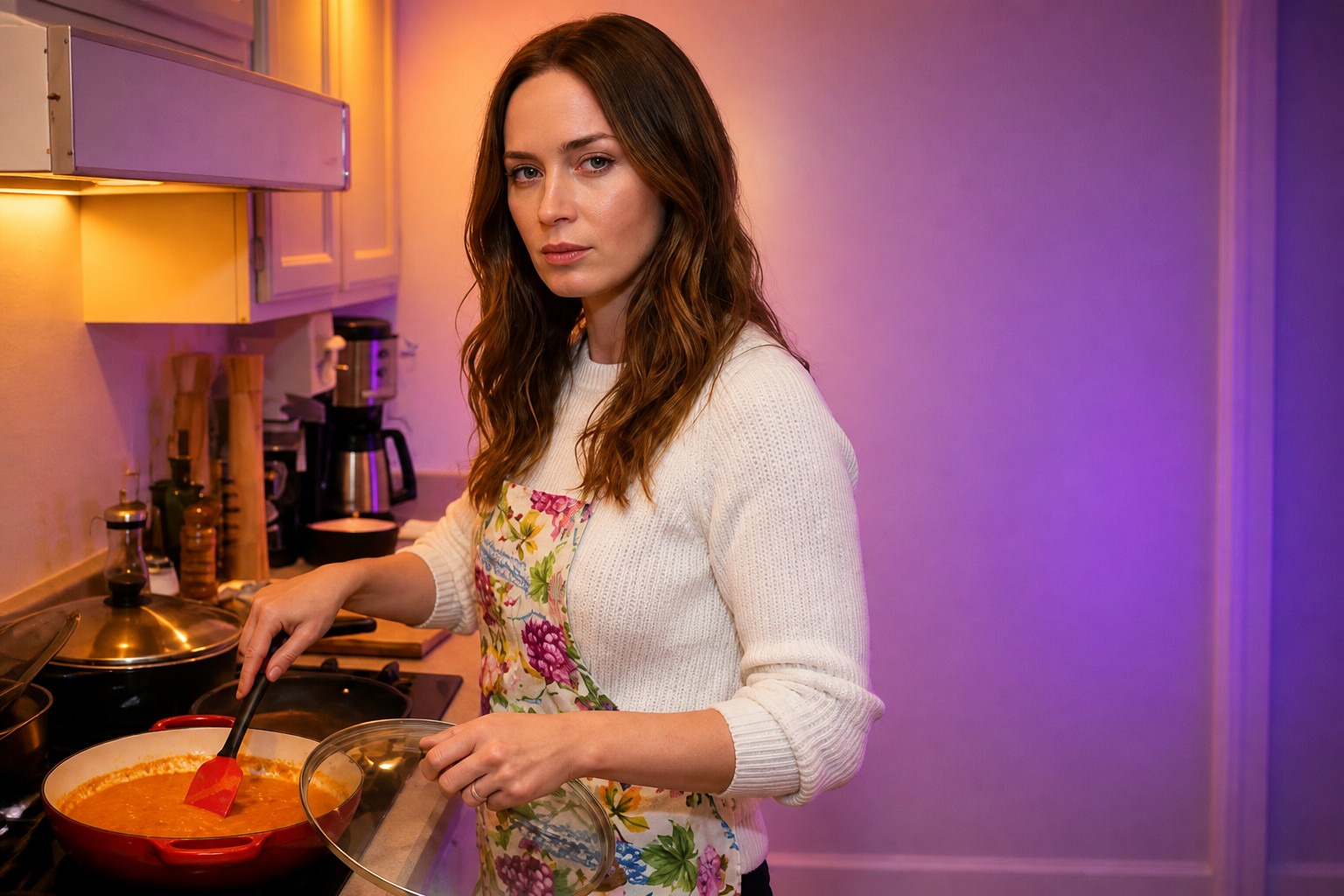
AddCakes, a baking site highlighted in the report, says it is run by a baker named Elena. Its biography presents her as a busy mother hoping to connect with her roots through baking, while struggling with complicated cake recipes and the pressure to make them perfect.
The images of Elena appear to depict an AI-generated version of British actor Emily Blunt, known for The Devil Wears Prada (2006) and A Quiet Place (2018). The site shows her cooking and sitting with a fictional AI-generated family. X location data, from the platform formerly known as Twitter, places the operator in Morocco. Blunt does not live there, and her representatives did not respond to a request for comment.
The trust problem is the product
Edwards warned readers against trusting recipes attributed to the AI version of Blunt. He said sites working with advertising partners in China and Russia may create privacy risks, including the possibility that browsing data reaches authoritarian states.
The report says these publishers deceive audiences and can leave advertisers paying for placements on sites they would not knowingly support. Edwards also argued that fabricated “About” pages can make readers believe a credentialed expert has written and tested the recipes. In his assessment, the recipes were probably not prepared by the sites’ owners or authors.
I think the more consequential claim is the last one. A fake portrait is easy to spot once someone recognizes the actor; an untested recipe presented as personal expertise is harder to verify and borrows credibility from real food bloggers, who spend time cooking, testing and photographing their work. Edwards said some operators publish dozens of recipes a day, automatically, without making the dishes.
The announcement is quiet about how much traffic or advertising revenue these sites generate, and how much user data is actually collected or shared. That leaves the scale of the harm unclear, even as the report describes a system built on invented identities and content.
Google has updated its policies to penalize sites with fake author bylines and AI-generated portraits. But enforcement against visible signs of deception does not settle the harder question: whether readers can tell that anyone has tested what they are being asked to cook.
Daily AI news
Every day we pick what actually matters in AI and explain it plainly — no hype, no filler. Subscribe if you want to follow where the industry is going.
Only what matters — every day
Follow on X