
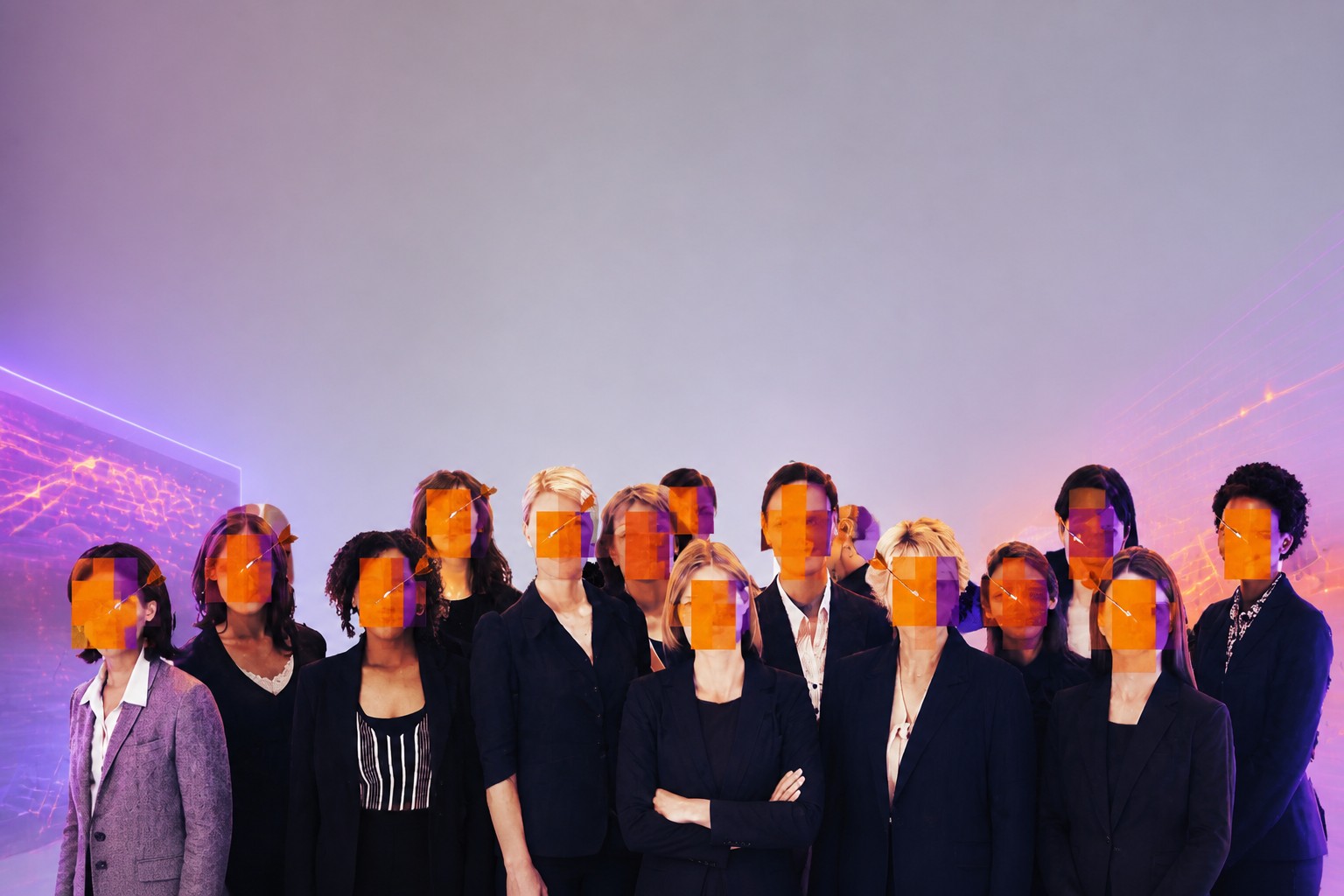
At least 138 women sitting in the national parliaments of 22 European Union countries have been found named or pictured on websites that host sexual deepfakes and other non-consensual material, according to research published by Agora Digitale Transformation, a German think tank working on digital democracy. Nine male lawmakers were found. The study, by Agora researcher Schultz, who is also lead researcher at the American Sunlight Project, examined roughly 160 domains and covered the national parliaments of all 27 member states. By his count, women politicians were targeted 33 times more often than men.
The method was blunt and repeatable. In July, Schultz assembled records on more than 5,800 European parliamentarians, then ran their names and images through specialised search engines that index this ecosystem. What came back sorted into three categories: material the sites were actively hosting, pages that search engines had indexed but that had since been taken down, and profiles and gateways leading to the tools used to generate new content.
That third category is the one that should worry legislators most, and it is the one least suited to a takedown regime. Several sites published lawmakers' names, their official photographs, sometimes links to social media accounts and personal details. Some profiles rated the women's bodies. Alongside the biographies sat links to nudify apps or to the sites' own tools promising to remove clothing from a photograph. Schultz notes that a single page can hold every image and detail about a person plus a direct link to the tool, after which three actions are enough to produce the material. He argues this does as much harm as hosting finished content outright. He is right, and the distinction matters legally: one is a file you can order deleted, the other is a dossier plus a button, and only the file has an obvious owner to serve notice on.
Lawmakers from Germany, the Netherlands, Italy and France appeared most often. The more senior the office, the likelier the politician was to be targeted. Schultz personally notified every lawmaker he found and passed on guidance for getting material removed. He says the sites also carry images of celebrities, journalists and other public figures. WIRED is not naming the domains, so as not to draw further attention to the abusive images.
Dutch MP Suzanne Kröger of the Progressive Netherlands group, who has been targeted herself, sees this as part of a wider wave of online hatred and intimidation aimed at women, politicians among them. The research, she says, shows the scale of the problem: politicians have a public platform, but millions of women are victims of these crimes. Sarah Dobbe, a Dutch MP for the Socialist Party who has also been targeted, says the videos serve two purposes at once, intimidating politicians and humiliating women, and that a woman or girl affected should get help quickly and have the material removed fast.
Researchers and lawmakers say deepfakes have been used against politicians for several years, and that the damage runs past the individuals named. The material can corrode democratic processes and create a chilling effect that keeps women and girls from becoming public figures at all. Schultz argues such attacks push women away from public office and out of public life, and points to accumulated evidence of serious psychological harm alongside reputational consequences, including for those who later leave politics for another career.
The technology in its current form dates to late 2017. Since then the tools have got cheaper to reach and the output more realistic, and millions of sexual images and videos have been made without consent, mostly by men and boys to harass, intimidate or blackmail women and girls. Cases have been recorded at nearly 100 schools worldwide. Henry Ajder, a deepfake expert and AI consultant who has tracked the ecosystem since 2018, says these platforms are structured as commercial businesses. He is not surprised politicians are targeted, but says the findings help European officials size the problem. The whole infrastructure, in his reading, exists to make this material easy to produce in volume.
Legislators have been slow, though the last few months have produced the first real moves. The UK and the EU plan to ban nudify services. In the US, after the Take It Down Act passed, at least two major sites carrying thousands of celebrity images and videos shut down, and journalistic investigations that unmasked site owners also pushed large operations offline. Before publication, WIRED established that at least six domains named in the research had recently disappeared from the web, which brought down the total count of European lawmakers' images. Schultz is now doing the same exercise for British and American politicians; he counted US senators and members of Congress appearing on these sites in 2024, and says the number of American politicians' images from two years ago has fallen noticeably since the closures.
Which is where I would put a warning label on the headline number. A count produced by querying search indexes measures what is indexed, not what exists, and the fact that six domains vanishing moved the total is the tell: this is a floor that wobbles. Takedowns register as progress on exactly the metric that is easiest to move and hardest to interpret. A site that goes dark and reappears under a new domain scores as a win.
Notably absent from all of this is any follow of the money. Ajder describes the platforms as commercial enterprises, which means payment processors, ad networks, hosting and, for the nudify tools, inference bills somebody is paying. None of that appears in what the research reports. And the study covers national parliaments while excluding members of the European Parliament — the body writing the EU's rules on exactly this technology. That is a defensible scoping decision for a study of 27 legislatures. It also means the one chamber whose members could most directly act on the finding is the one chamber that was not counted.
Kröger's position captures the bind: she treats removing the images as the priority while also arguing for hard regulation of the technology that makes them. Those are not the same fight, and only one of them has a constituency with an incentive to resist. Deleting a file is something a company can be compelled to do in an afternoon. Killing the button next to the biography means telling an industry its product is the harm.