Democratic contenders are converging on AI as a campaign issue, but not on what to do about it. Their proposals range from tighter federal rules and limits on data-center construction to worker protections and US-China safety standards. The divide is no longer simply between supporting AI and opposing it: candidates are also arguing over who should bear the costs of its expansion, and whether the risks call for guardrails or a pause.
The fight is over what to constrain
The candidates’ approaches track their offices and constituencies, but several are trying to balance investment with safeguards.
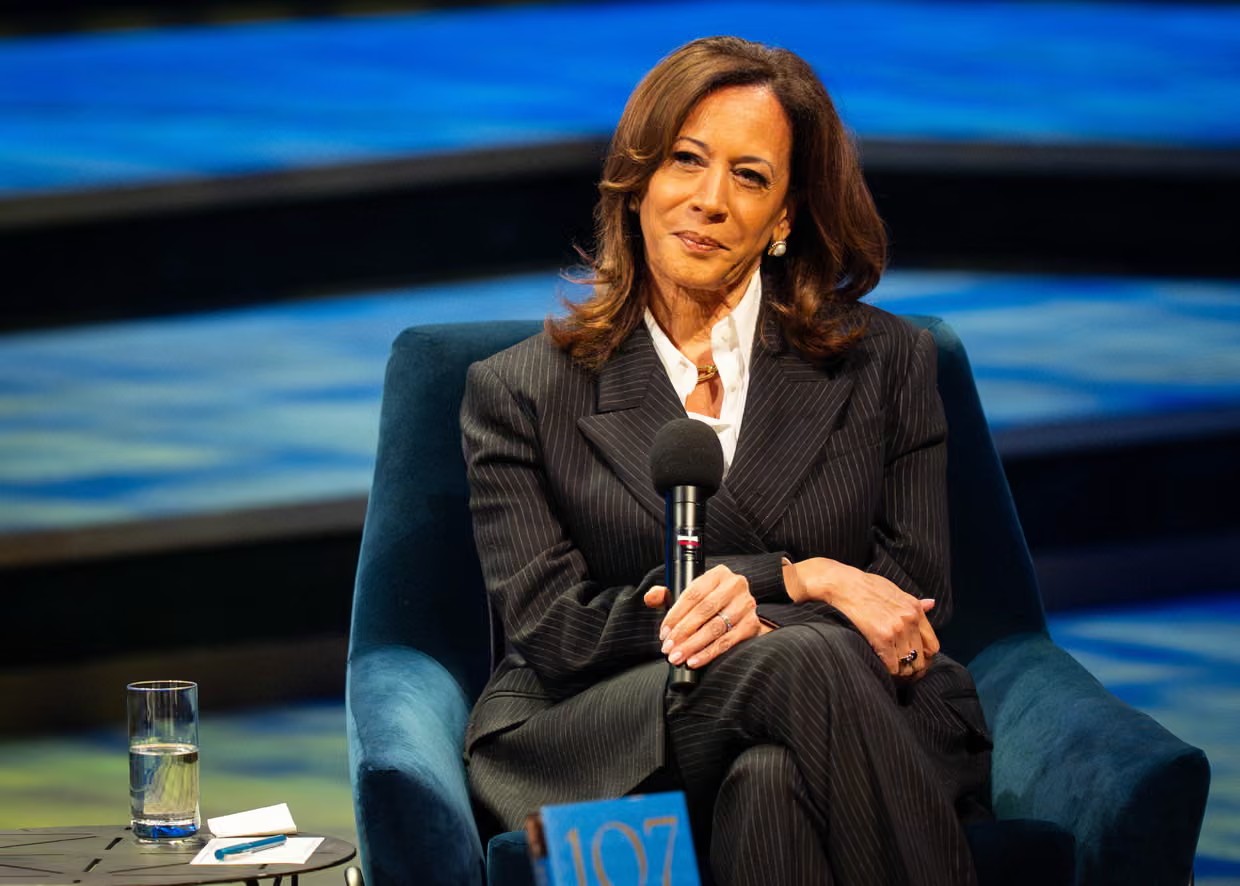
Kamala Harris, the former vice president and the Democratic presidential nominee in 2024, has backed protections alongside US AI growth. As vice president, she led the Biden administration’s work on AI risks and reducing potential harm. In 2023, she warned about near-term threats including disinformation that could damage democracy and risks to privacy. On September 14, she called for tougher federal regulation after technology executives proposed slowing AI development.
Kamala Harris discusses her new memoir 107 Days at the Southbank Centre’s London Literature Festival in London in 2025. Photograph: James Manning/PA
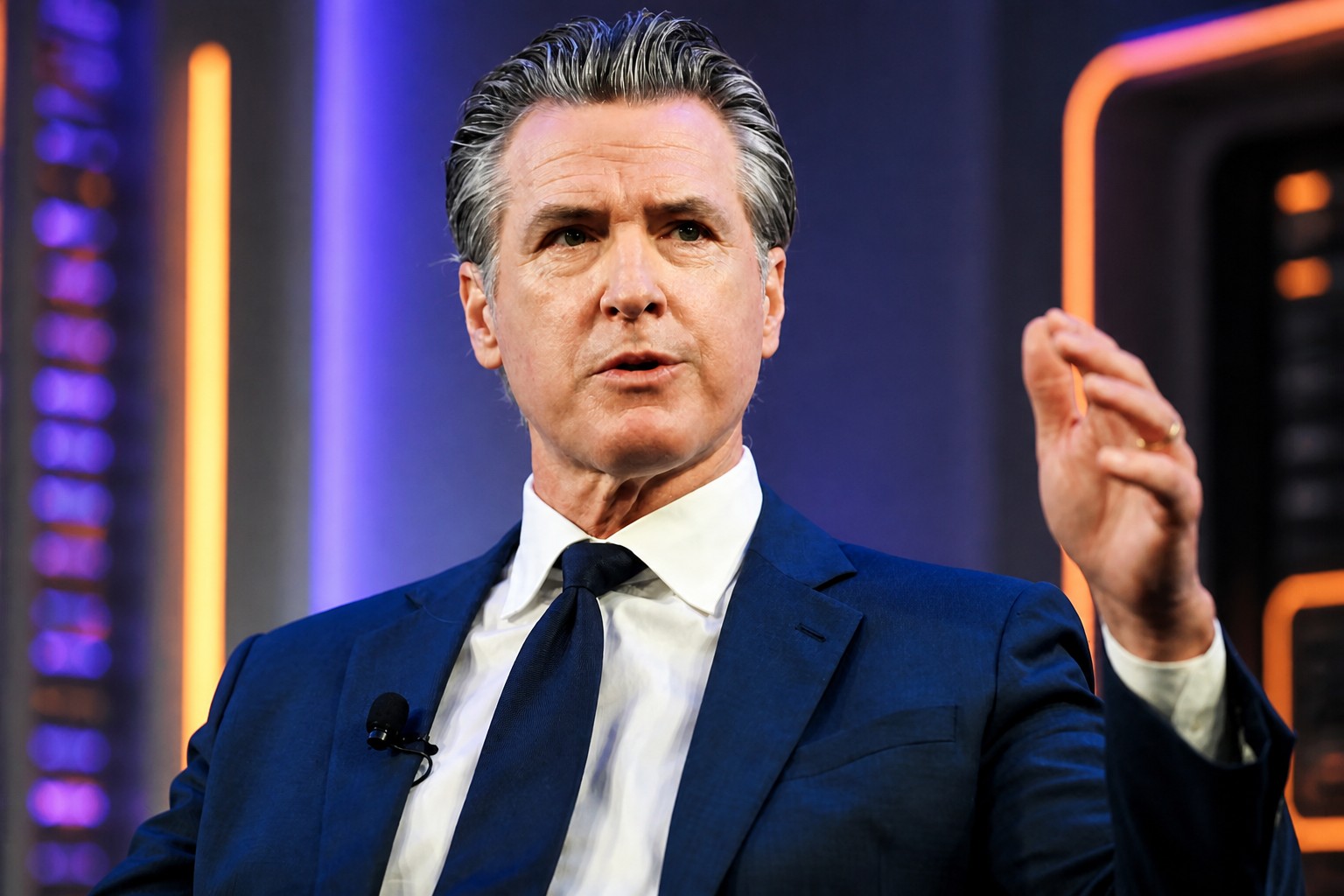
Gavin Newsom, California’s governor, is pursuing stricter state rules while backing AI development in a state home to OpenAI, Anthropic, Google and other technology companies. His measures include requiring large companies to publish best practices, supporting protections for whistleblowers and young users, and commissioning a study of how companies could retain workers rather than replace them. In September, he signed an executive order urging companies to consider an AI “off switch,” following industry leaders’ warnings that the technology could harm people.
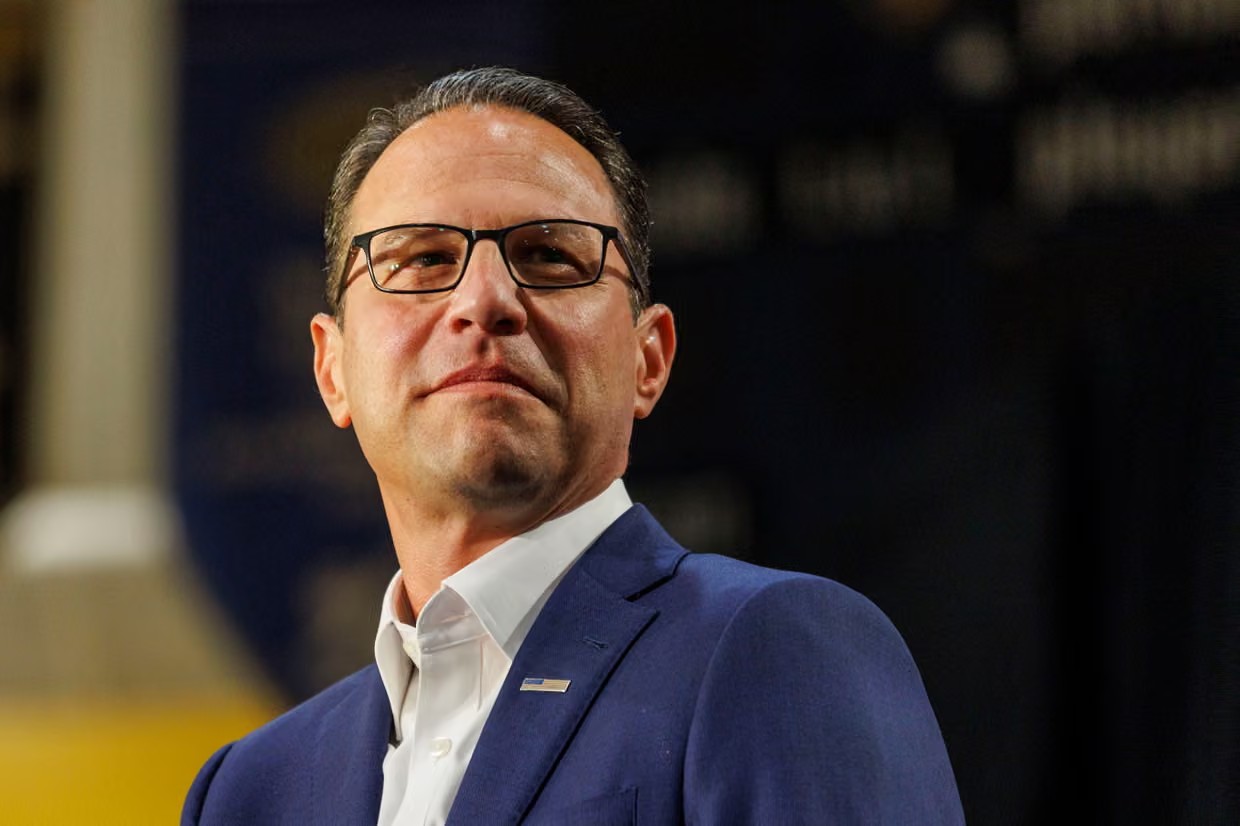
Josh Shapiro, Pennsylvania’s governor, supports technology investment but says clear rules are needed to reduce risks. At a September AI summit, he said he did not consider an AI takeover of the world or its use to kill people inevitable, while acknowledging public concern. He backed AI investment in Pennsylvania in 2024. In September, he called for tougher federal regulation; in August, he signed an order aimed at enforcing stricter requirements on data centers’ environmental impact and energy consumption.
Josh Shapiro during a Kamala Harris for President event at Wissahickon high school in Ambler, Pennsylvania, on 29 July 2024. Photograph: Sarah Yenesel/EPA
Data centers sharpen the split between candidates who want conditions on construction and those who want to stop expansion outright.
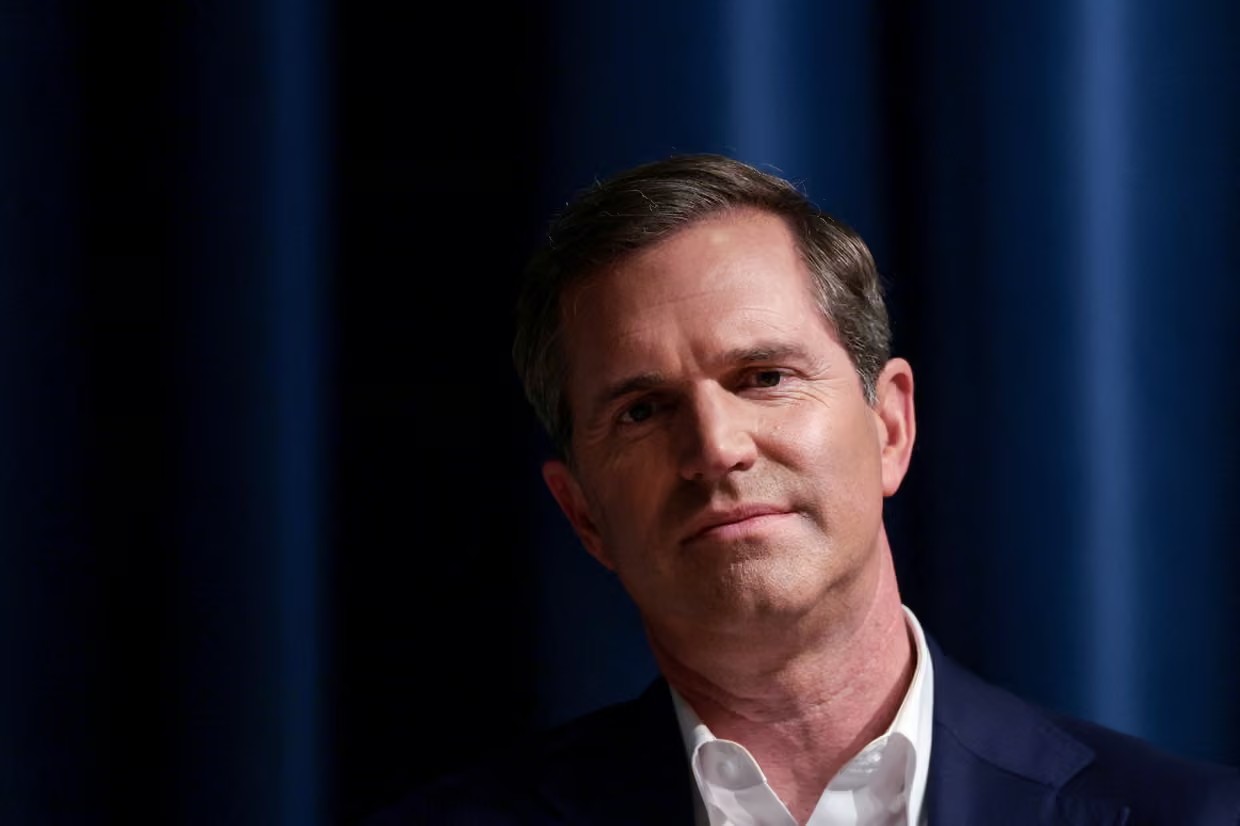
Andy Beshear, Kentucky’s governor, called for stronger federal oversight of AI and signed an August order requiring data-center developers to show, before construction, that projects would not harm the environment or taxpayers, among other requirements. He also called for ending tax incentives.
Andy Beshear during a talk about his newly published book at George Washington University in Washington DC on 22 September 2026. Photograph: Evelyn Hockstein/Reuters
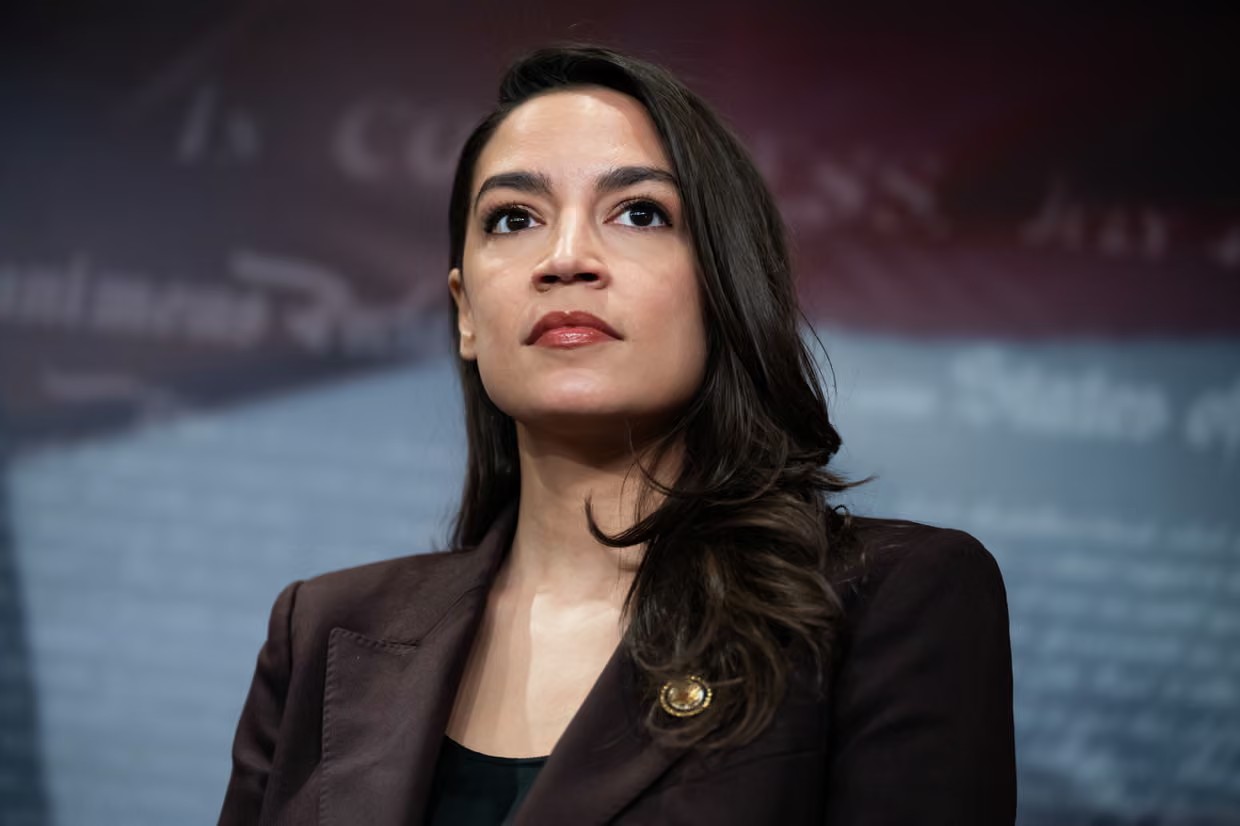
Alexandria Ocasio-Cortez, a New York congresswoman, is skeptical of rapid AI adoption and concerned about its economic effects and data-center construction. At a House hearing last year, she called the situation a huge economic bubble. In June, she and Senator Bernie Sanders introduced a companion bill that would temporarily ban data-center construction until Congress develops rules to reduce AI’s environmental, safety and economic risks. She has also spoken out against AI harms including pornographic deepfakes. After Trump said only “backwards and poor” communities reject data centers, she suggested building one at Mar-a-Lago.
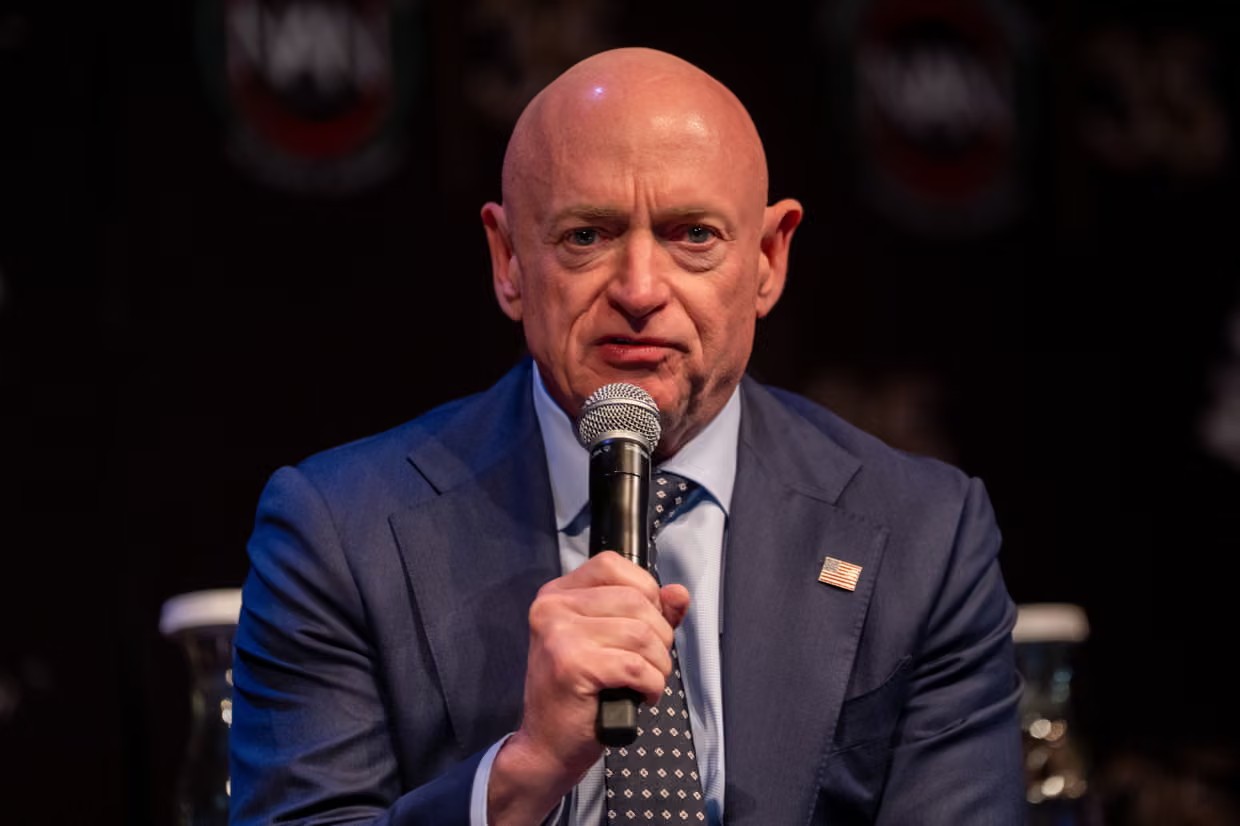
Mark Kelly speaks at the National Action Network’s annual convention on 11 April 2026 in New York City. Photograph: David Dee Delgado/Getty Images
Other proposals focus on who benefits from AI and who is exposed to its costs.
Mark Kelly, an Arizona senator, advocates safe AI adoption through Congress and protections for workers affected by the technology. Last year, he proposed an “AI Horizon Fund,” financed by industry companies, to pay for education and training, support energy infrastructure and help people who lose jobs because of AI. In September, he told Politico that AI offers significant benefits but also poses national-security risks, and that the US must use it well and preserve its leadership. He said he plans to introduce a bill to establish the fund.
lexandria Ocasio-Cortez attends a news conference with Bernie Sanders to announce the Artificial Intelligence Data Center Moratorium Act in the US Capitol on 25 March 2026. Photograph: Tom Williams/CQ-Roll Call, Inc/Getty Images
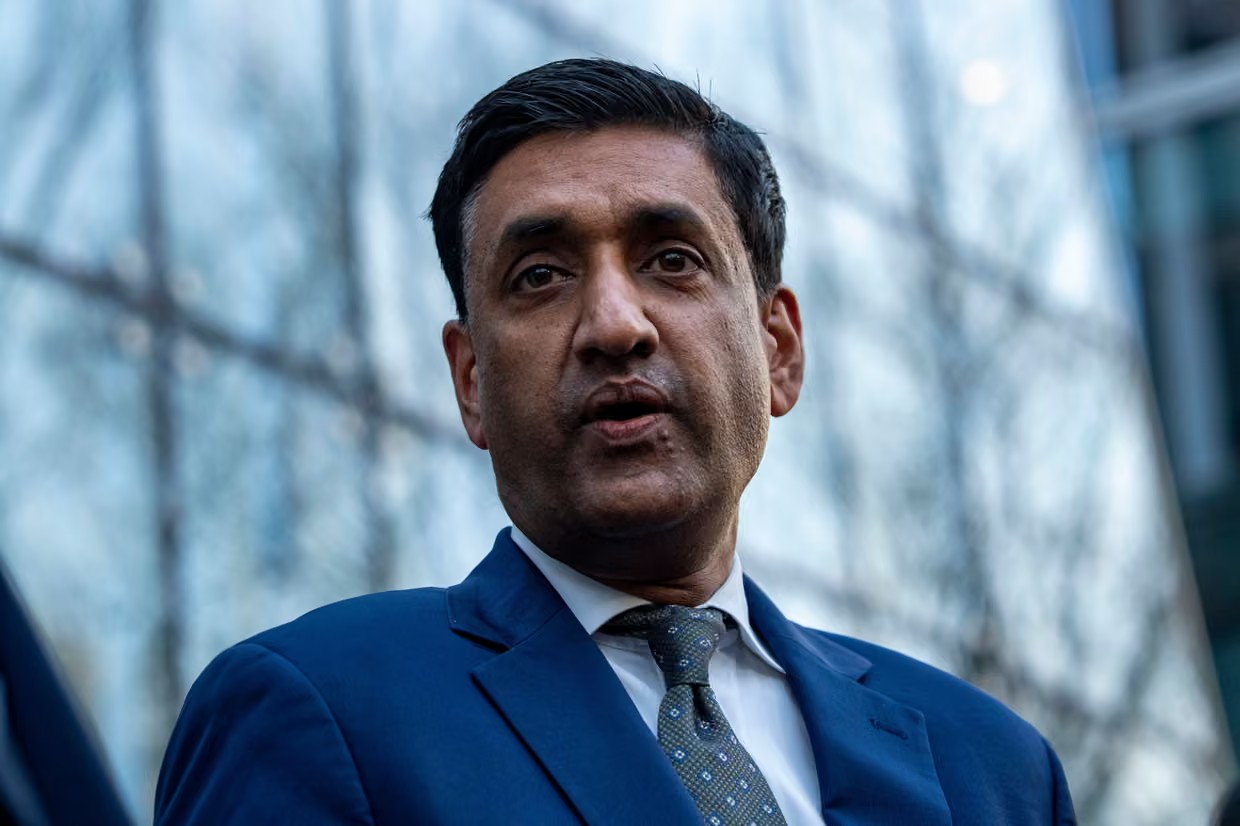
Ro Khanna, a California congressman representing Silicon Valley, wants tougher federal AI rules and a deal with China on basic safeguards. In a statement to The Guardian, he said Americans are seriously concerned about AI’s future and potential risks, making an agreement between the US and China on basic checks and safety standards urgent. He has compared the contest for AI leadership to winning a nuclear war, arguing that basic safety and anti-abuse standards should come before competition. But he opposes calls from progressive politicians, including Sanders, for a moratorium on data-center expansion.
Ro Khanna speak to reporters outside the Department of Justice offices in Washington DC on9 February 2026. Photograph: Bonnie Cash/UPI/Shutterstock
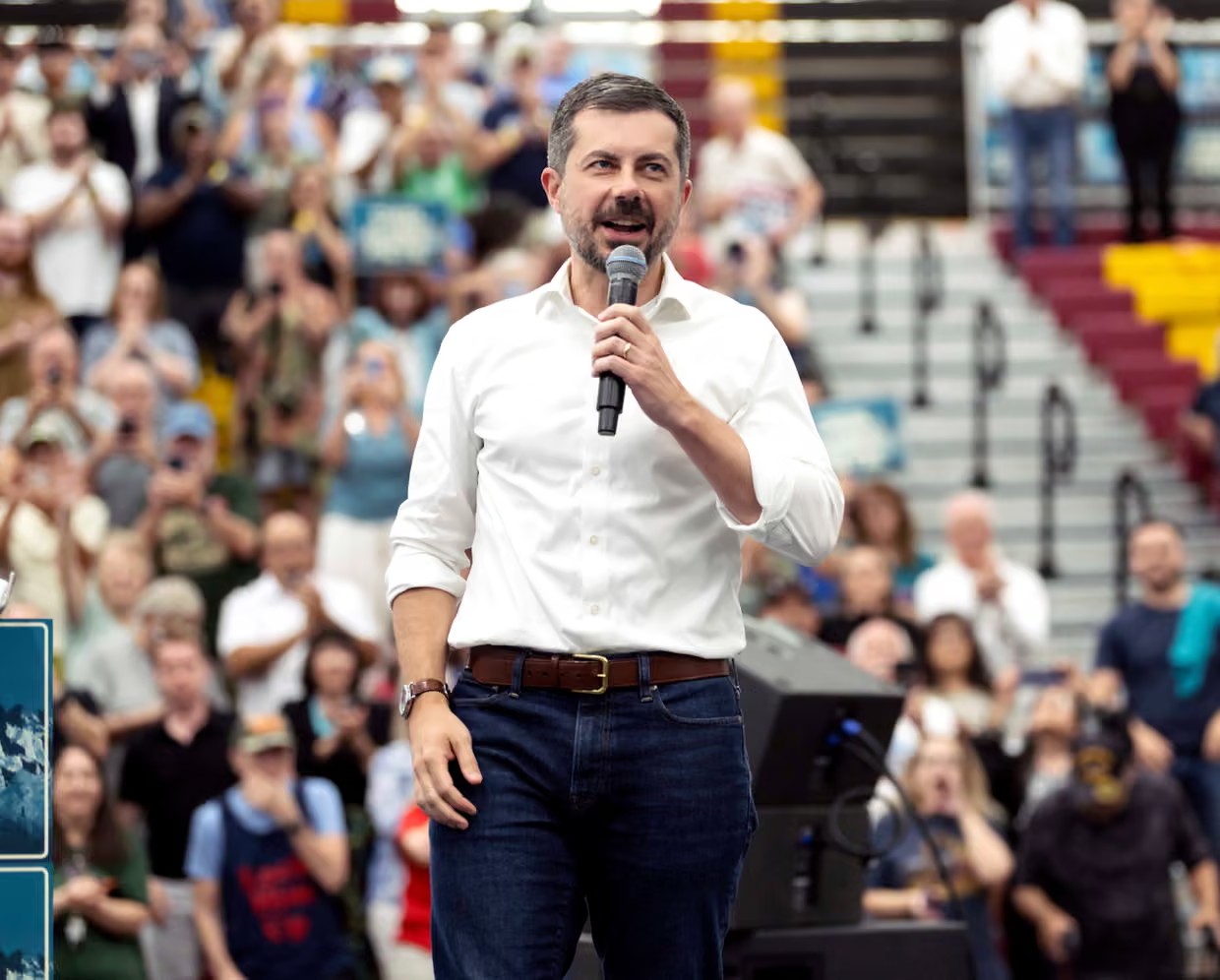
Pete Buttigieg, the former US transportation secretary and mayor of South Bend, Indiana, has warned about AI’s risks for years and recently criticized the federal government’s slow response. In 2017, he warned that AI could harm US jobs and bring other negative consequences. Last year, he wrote on Substack that US leaders should take AI dangers more seriously, arguing that the country now needs as much economic and political ingenuity as it used to address the Great Depression, World War II, electricity and later the internet. More recently, he criticized officials for moving too slowly and accused Congress of inaction.
Pete Buttigieg speaks at a rally for Democratic candidates at Centennial high school in Las Cruces, New Mexico, on 13 September 2026. Photograph: Brian Cahn/ZUMA Press Wire/Shutterstock
The proposals point in different directions: a temporary construction ban, stricter conditions on new projects, federal regulation, and a fund for workers. My read is that the argument is less about whether AI should grow than about who gets to set its limits. The quieter question is whether any of these plans can make the companies, workers and communities bearing the costs part of that decision—without handing the advantage in AI to competitors abroad.
Every day we pick what actually matters in AI and explain it plainly — no hype, no filler. Subscribe if you want to follow where the industry is going.