
The case for on-device detection
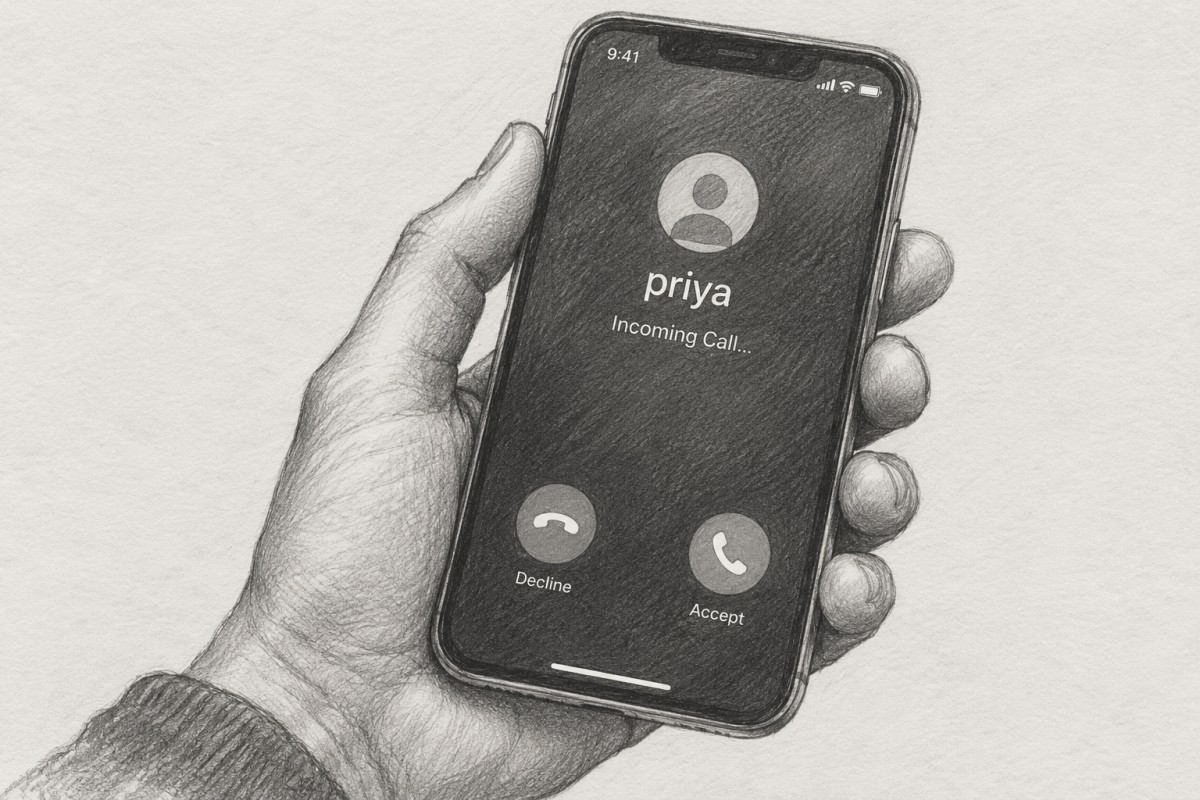
Padmanabhuni says the loss of money was less upsetting than not being able to tell that the voice was fake. DetectifAI’s pitch is that protection should work where the call happens: on the smartphone itself.
The FBI says people over 60 lost twice as much money to AI-enabled fraud as people aged 50 to 59. Several companies already work on voice deepfake detection, including Reality Defender, Pindrop, Resemble AI, Microsoft Azure AI Content Safety and Nuance, which is also owned by Microsoft. But today’s detection products run on remote cloud servers. Padmanabhuni argues that this makes it difficult for phone makers to build them directly into devices, leaving people with few defenses against scam calls.
DetectifAI is designing small AI models to run inside a phone’s operating system. The aim is to identify an AI-generated voice in real time, without audio leaving the device. The company contrasts that with efforts to shrink the large cloud models used by some competitors.
Selling the layer to phone makers
DetectifAI’s initial plan is to license software tools to phone manufacturers for integration into their operating systems. Padmanabhuni compares the opportunity to AT&T’s role in the first iPhone launch: an exclusive carrier deal helped it stand out. She says the first manufacturer to build DetectifAI into a phone would gain an advantage.
The product is a software development kit, or SDK, that companies can embed in their own products and license through existing sales channels. DetectifAI also expects to earn licensing revenue from companies and firms focused on fraud prevention.
The startup already has early revenue. Padmanabhuni says its system handles more than 100,000 calls a month for financial organizations in India. The callers are AI agents that collect debt and clarify loan documents. DetectifAI checks each call for deepfakes and verifies the caller’s voice to confirm their identity. Padmanabhuni did not name the clients, citing confidentiality agreements.
What the announcement leaves open
The initial deployments show that the technology is being used, but not yet how well it works: the company has disclosed no detection rates or false-positive figures. I think that gap matters more than the on-device pitch. A model that protects a call without exporting its audio has a clear privacy advantage; it still has to distinguish a convincing fake from a real voice reliably enough to earn a place in a phone’s operating system.
Padmanabhuni says she began working on machine learning at 12. She later studied cyber-physical systems at the Indian Institute of Technology Manipal, where she says she became the youngest team lead in its autonomous racing-car division. She describes that division as the first in India in Formula Student, an international engineering competition for students.
DetectifAI has raised a small seed investment from Josh Constine, a former TechCrunch editor, and Manohar Kamath, director of consulting firm KM Growth. The startup was selected by TechCrunch editors for Startup Battlefield, which will take place at TechCrunch Disrupt in downtown San Francisco from October 13 to 15.
Phone makers would be buying more than a detection model: they would be taking responsibility for deciding when a voice can be trusted. DetectifAI’s first commercial deployments make that proposition concrete, but its ability to prove the system’s accuracy will determine whether it becomes a built-in safeguard or remains a promising SDK.
Daily AI news
Every day we pick what actually matters in AI and explain it plainly — no hype, no filler. Subscribe if you want to follow where the industry is going.
Only what matters — every day
Follow on X