
A model that looks again
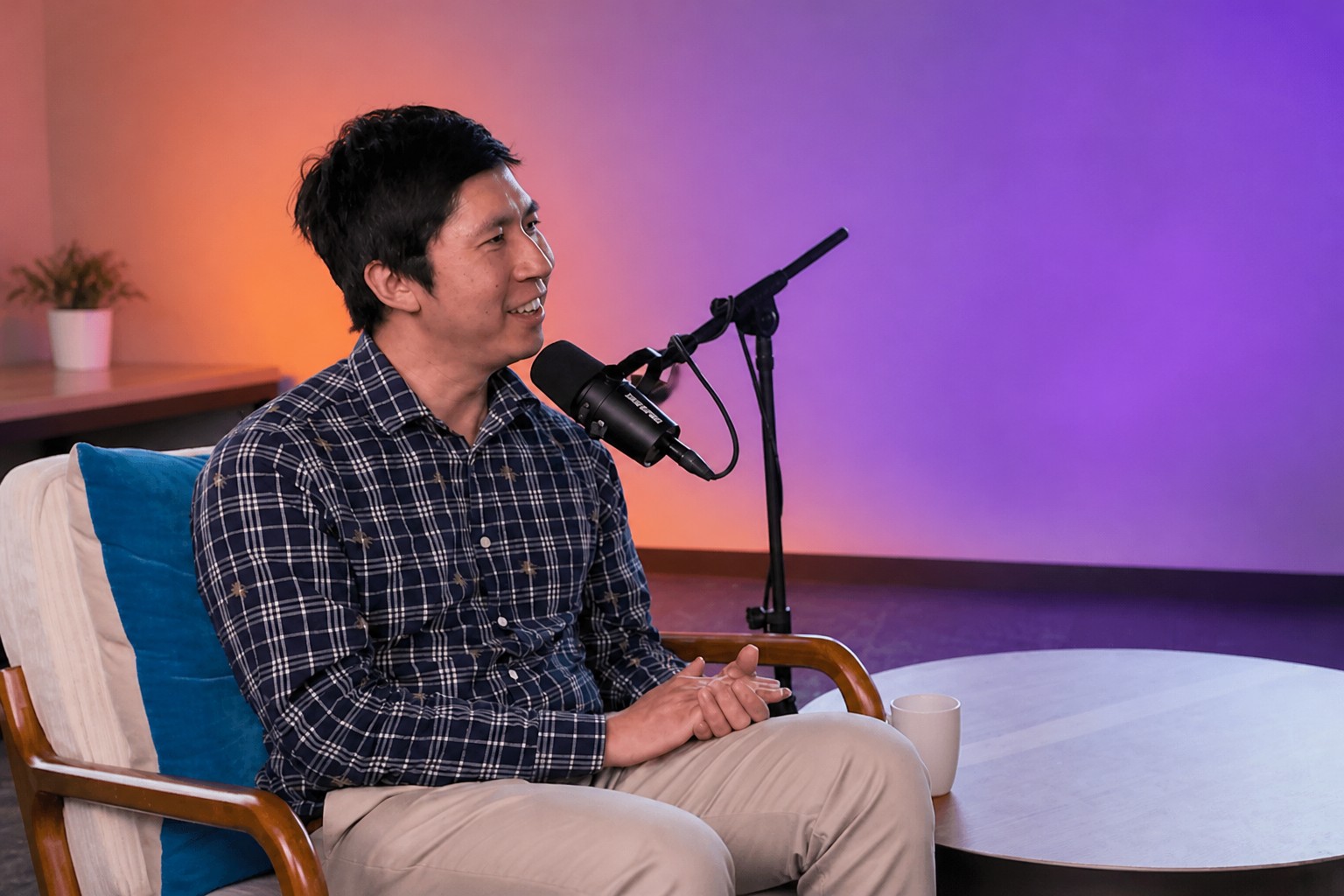
Elorian CEO Andrew Dai, a former Google DeepMind researcher, said the idea took shape after a board-game night. He photographed a game he had just played with friends and asked a leading model who was winning. It could not answer.
The problem, Dai told TechCrunch, is that games rely on visual languages of symbols and icons. People can infer what is happening even when there is little text; models, he argued, do not intuitively understand those symbols. He also pointed to IKEA furniture diagrams: people can assemble furniture from pictures alone, so why can’t AI models do the same?
Glimpse’s approach is to revisit the source material during reasoning. In practice, that means it can:
The idea has precedent: OpenAI added image cropping and zooming during reasoning to its o-series models in 2025. Elorian’s distinction is that it says it built the whole model around that mechanism.
Strong results, with a smaller model
Elorian says Glimpse beats GPT-6 Astra on scientific-chart reasoning and short video descriptions, and is competitive on other visual-reasoning tasks. The model is substantially smaller than the frontier systems used for comparison, according to the company.
Its pricing is $0.60 per million input tokens and $3 per million output tokens. That puts it below mid-tier models such as Sonnet and Sol, but above lightweight models such as Haiku and Luna.
The benchmark claims are notable, but they remain the company’s own results. My read is that the more consequential test is not whether Glimpse can top selected visual benchmarks; it is whether repeatedly inspecting video and images is useful enough to justify a dedicated model in real workflows.
Elorian emerged from stealth six months ago with a funding round co-led by Striker Venture Partners, Menlo Ventures and Altimeter Capital. Nvidia and Google chief scientist Jeff Dean also participated.
The company plans to start with organizations that handle large amounts of video: robotics companies, scientific labs, and media and creative businesses. Its longer-term ambition is to move from image analysis to action, with a model that builds a representation of a scene and chooses what to do, including controlling robots directly.
From seeing to acting
That shift is where the announcement gets harder to assess. Elorian has described how Glimpse can revisit visual input, but not how it will decide when to look again, or how reliably that process will translate into actions in the physical world. I think that gap matters more than the current benchmark lead: a model that can inspect a scene is not yet a model that can safely act on it.
Dai says Elorian intends to build “the world’s best visual reasoning model” next year, leading every visual-reasoning test. For now, the company has made a narrower case: visual reasoning may improve when a model can return to what it saw. Its next bet is that this ability can become a basis for control, not just description.
Daily AI news
Every day we pick what actually matters in AI and explain it plainly — no hype, no filler. Subscribe if you want to follow where the industry is going.
Only what matters — every day
Follow on X