
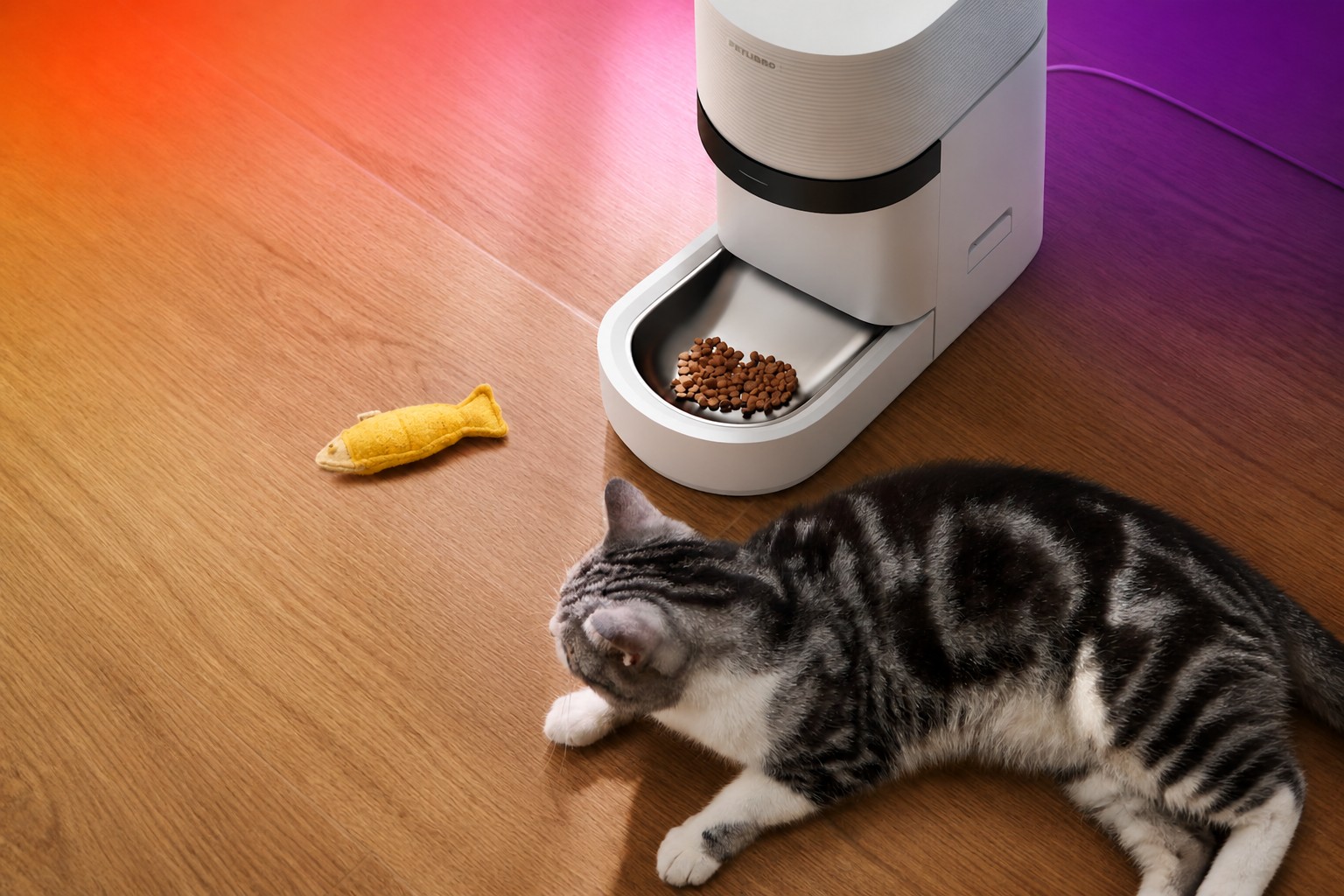
Petlibro has released the Granary 2 line of smart feeders for dry food, adding built-in scales and, in some models, an AI camera that identifies individual cats. The range starts at $129.99 and extends to $249.99, with separate options for camera monitoring and two-animal households. The central change is not simply automated dispensing: Granary 2 measures what remains in the bowl, giving owners an estimate of what each cat actually ate. That makes the feeder more relevant to multi-cat homes, where a scheduled portion does not prove that the intended animal received it.
The lineup includes four models. Granary 2 costs $129.99 and offers app control, portion dispensing and consumption tracking. Granary 2 Vision, the $189.99 model tested by the author, adds an AI camera that can recognize up to 10 cats and track each animal’s habits. Vision Duo costs $199.99 and has two separate dispensers and bowls. Granary 2 X is the $249.99 top model; the company says its AI recognition can assign individual portions to animals with special dietary needs.
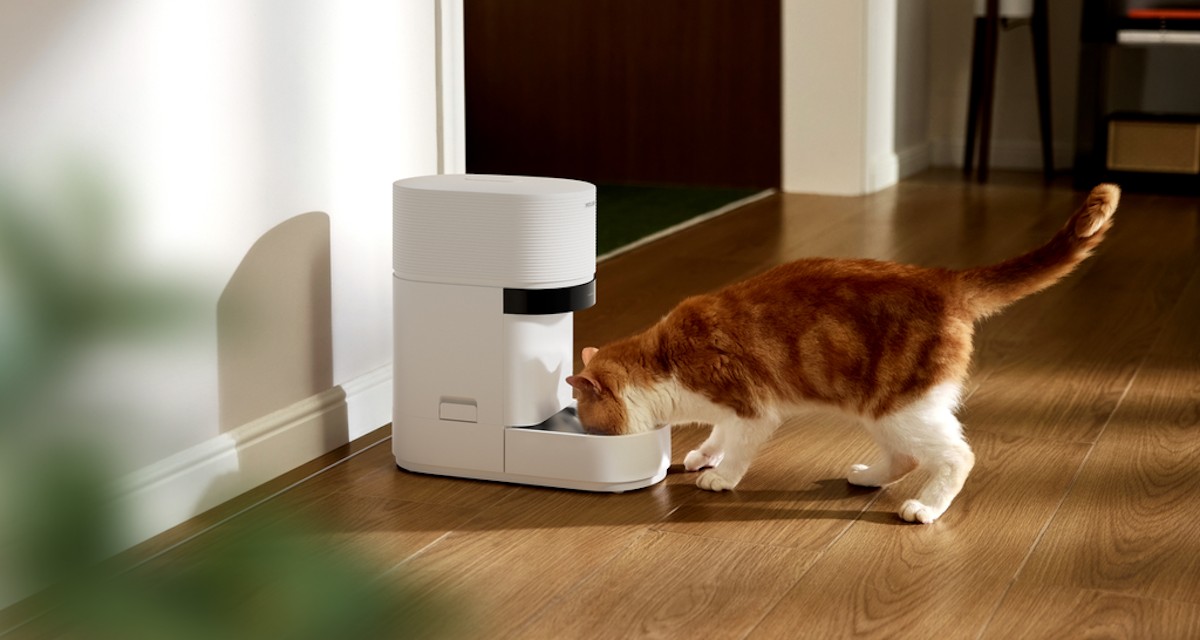
Source: techcrunch.com
The built-in scales are the main upgrade across the series. The feeder measures the food in the tray, so it tracks not only what it dispenses but also what remains in the bowl. That allows it to estimate how much the cat actually consumed.
A conventional automatic feeder can report that it released food at 7 p.m. It cannot show whether the cat came to the bowl, how much it ate or how long the meal lasted. Granary 2 records the amount eaten, meal duration, feeding frequency, preferred mealtimes and eating speed.
The app builds a picture of the animal’s normal routine over time. Owners can view the data by day, week, month or year. That may help expose small changes in appetite or schedule that would otherwise be easy to miss. For someone tracking a cat’s weight, portions or eating behavior, this may be the strongest practical argument for Granary 2—not the camera itself.
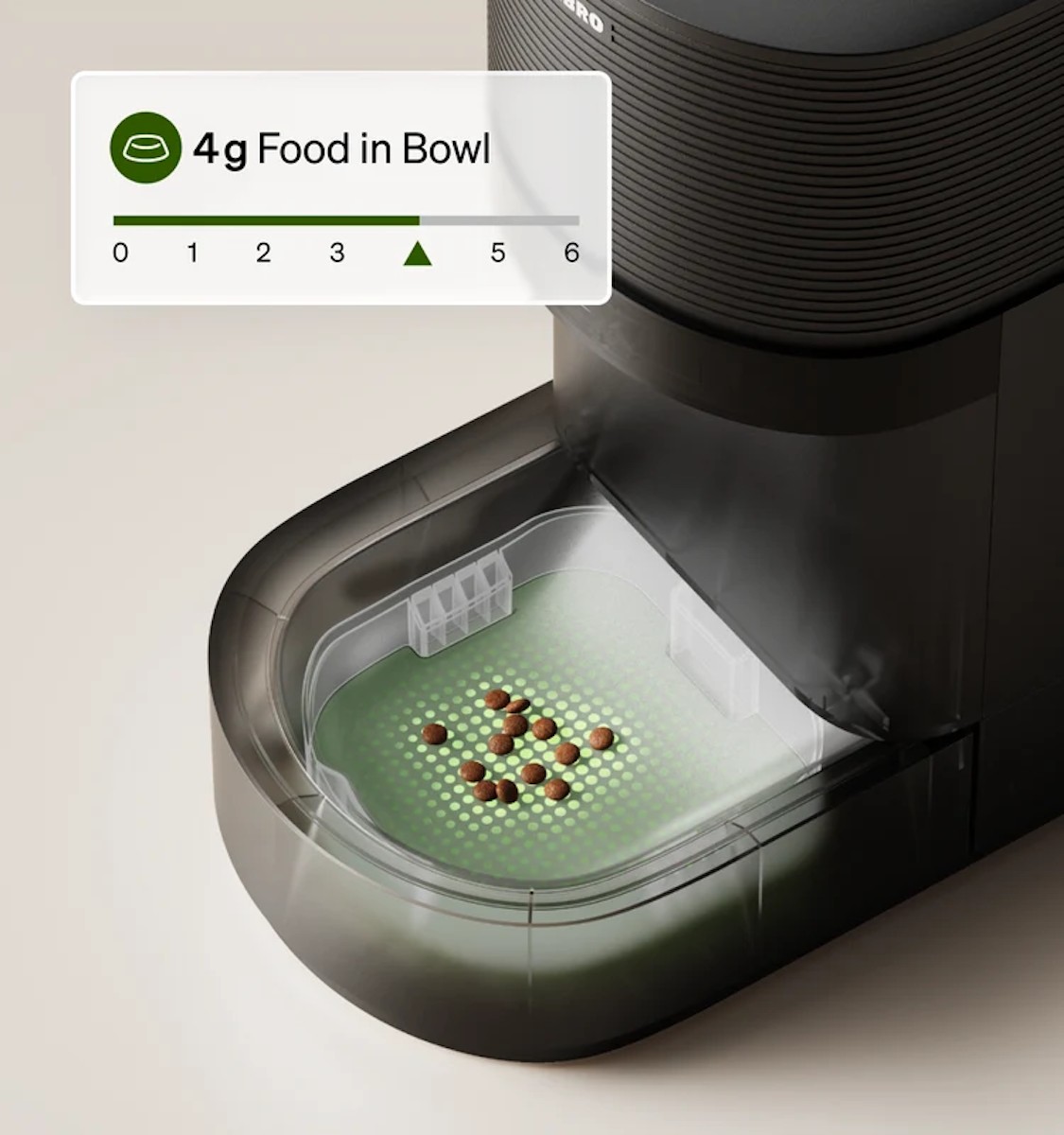
Granary 2 has two main feeding modes. Smart Refill Mode keeps small, fresh portions available throughout the day and stops dispensing when the daily food limit is reached. It suits cats that prefer to graze rather than eat one or two large meals.
Scheduled Mode works more like a standard automatic feeder: the owner sets a feeding time and portion size. A separate manual-feeding button handles extra servings outside the schedule.
The tested Vision model adds another layer of automation through its AI camera. It determines which cat is eating and links the meal to that animal’s profile. In a home with several cats, that can separate one animal’s diet from another’s instead of treating the household as a single account.
If one cat needs a special diet, weight control or a different nutritional intake, the owner can monitor that animal’s meals separately. The feeder opens only after the camera recognizes the correct pet.
The camera records in 1080p and supports night vision. Through the app, owners can check what is happening around the feeder while they are away. Two-way audio allows them to address the cat remotely, and a short voice message can be recorded for the feeder to play during mealtime.
The device sends instant app notifications when its battery is low, food is running out or food is stuck in the mechanism. A rechargeable built-in battery keeps it running during a power outage.
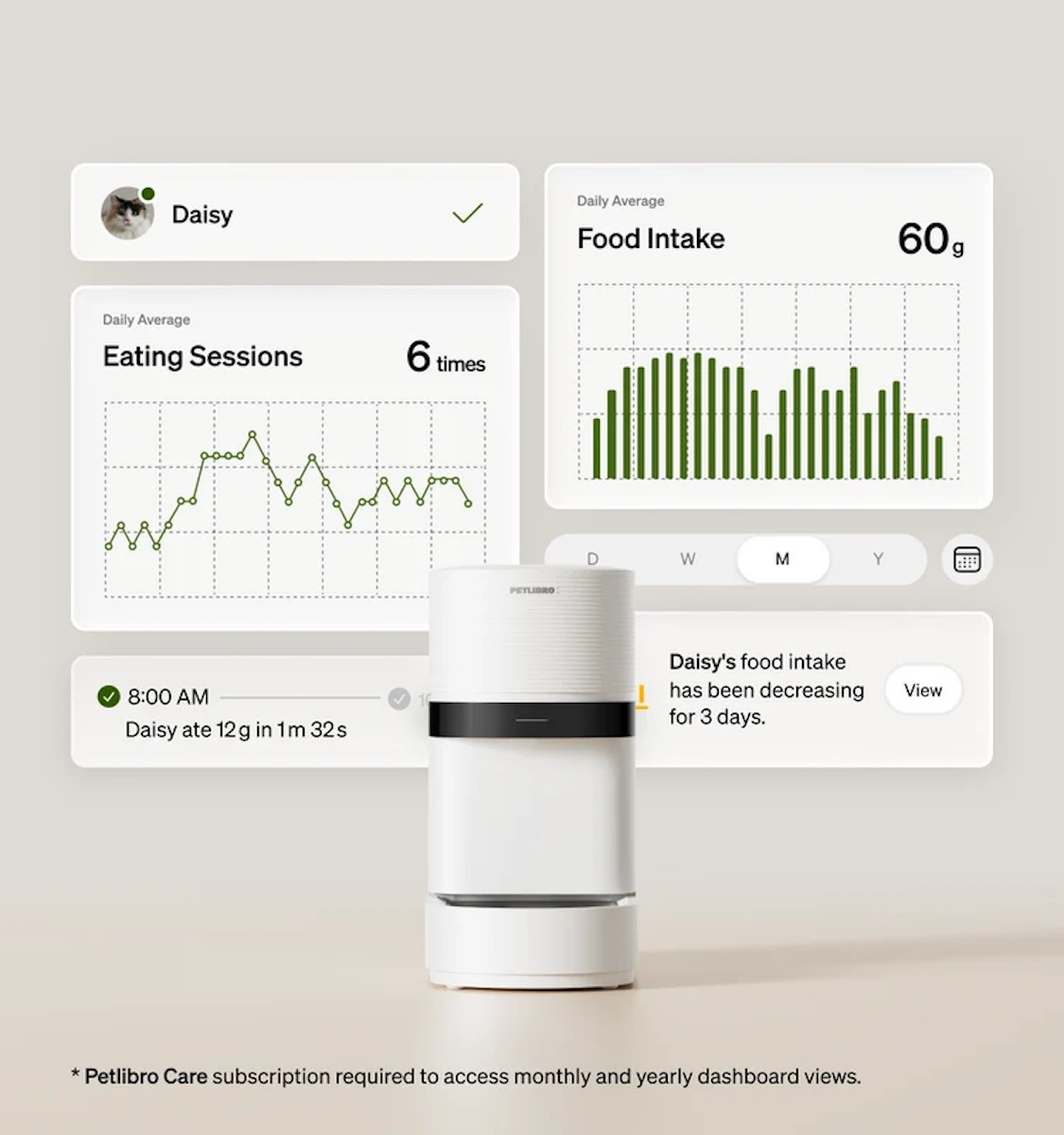
The more interesting shift here is from dispensing to accounting. Petlibro is trying to make the feeder a record of individual eating behavior, not merely a timer attached to a food container. That distinction matters in multi-cat homes, where one cat can eat another’s portion and a perfectly executed schedule can still produce the wrong outcome.
But the system also moves the product toward a recurring-service model. Some Granary 2 features require Petlibro subscriptions: health-control and monitoring functions are available through Petlibro Care, starting at $59.99 per year. Camera-equipped models require Video Cloud, priced at $119.99 per year, for cloud recording and access to saved videos.
That cost changes the comparison with a basic feeder. The $189.99 Vision model is not the complete price of the monitoring setup if the owner wants stored video, and the annual Video Cloud fee is more than half the device’s purchase price. Petlibro is selling a hardware product whose most differentiated features continue after checkout.
The announcement is quiet about how reliably the camera identifies cats in real household conditions, and it does not establish that the collected patterns amount to a medical warning system. The data may help owners notice changes, but the feeder remains a measurement and monitoring tool rather than a diagnosis. That gap matters because “health monitoring” can sound more definitive than tracking food intake and routine.
For a cheaper alternative, the author points to the $79.99 Pawsync feeder. It also has built-in scales for accurate portion dispensing, with settings intended to prevent underfeeding and overfeeding.
Granary 2 therefore makes its case less through automation than through attribution: not just whether food came out, but which cat consumed it. The tension is that the more useful the record becomes, the more Petlibro ties that record to subscriptions—and the less the headline price describes the full ownership cost.
Daily AI news
Every day we pick what actually matters in AI and explain it plainly — no hype, no filler. Subscribe if you want to follow where the industry is going.
Only what matters — every day
On Telegram