
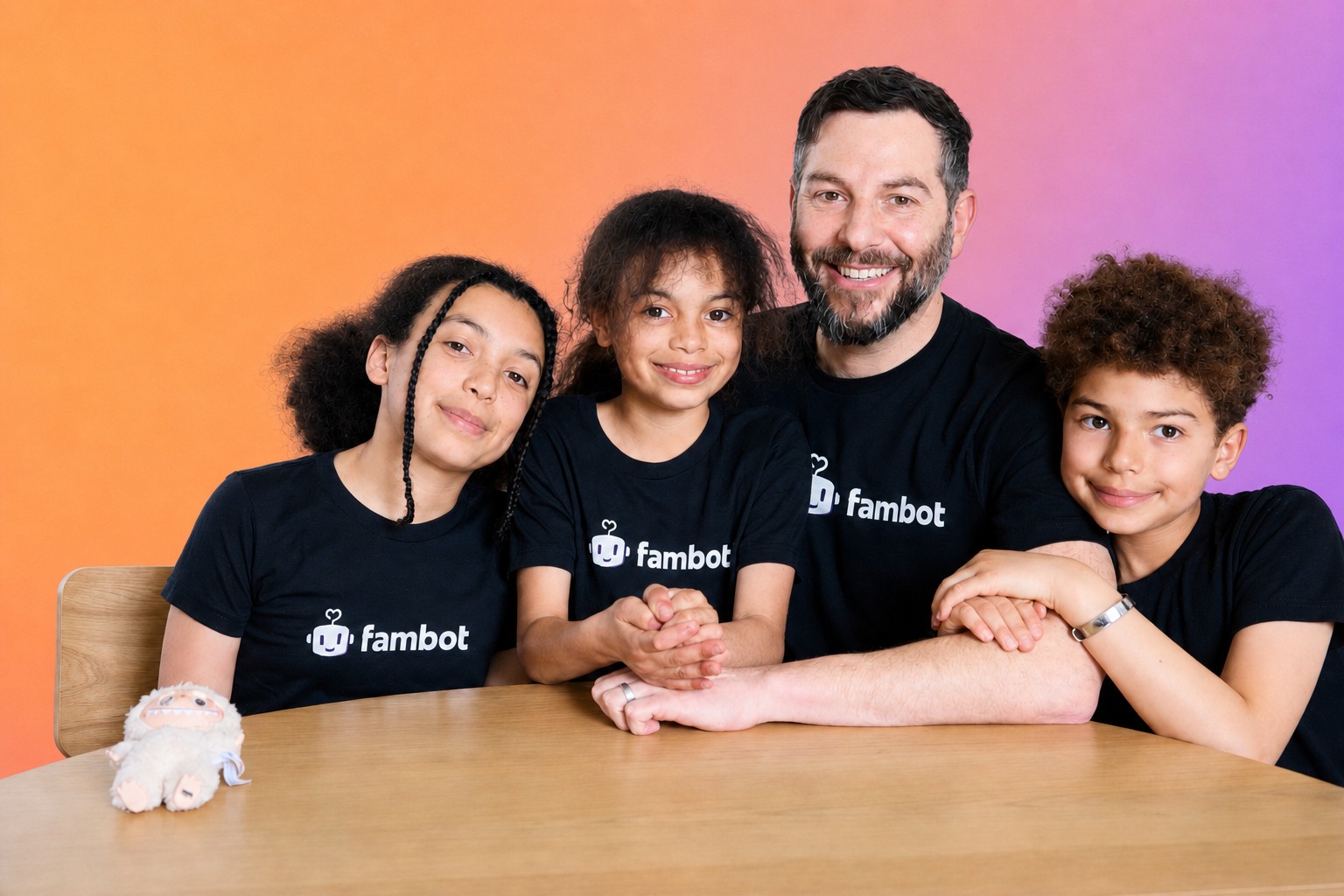
Fambot, a startup selling what it calls a family AI coordinator, has opened a free beta on iOS, Android and the web with $3.5 million in pre-seed funding co-led by NextView Ventures and Baukunst. The app connects to a household's email, calendar and WhatsApp groups and returns a daily task list plus a view of what is coming. Its founders are betting that the next assistant market is not the desk but the pile of school notices: Greg Karlin, a former Instagram engineer, is CTO; David Reich, former president of UnitedMasters and an ex-Uber product lead who last ran the 250-person Uber Transit team, is CEO.
The product started as Reich's own problem. He has three children, and he and his wife were both fitting a stream of organizational duties around their jobs. What he wanted at the end of the day was to stop working, be with the kids, do homework with them or play ball. What he did instead was spend about an hour clearing 40 emails.
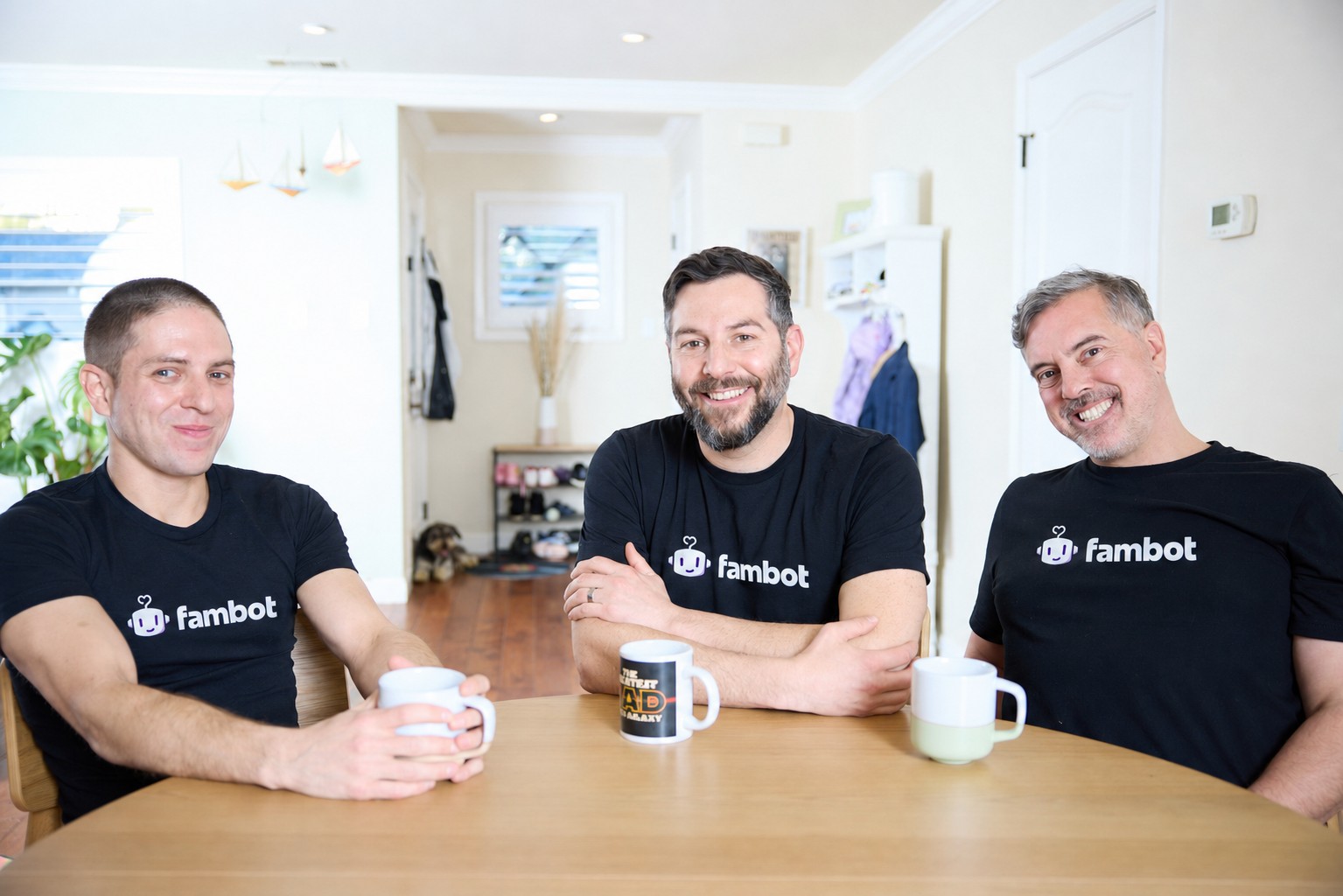
Email is only the first layer. Parents also track WhatsApp groups, separate apps from schools, sports clubs and activity groups, and paper announcements that arrive home in a backpack. Reich says keeping up with all of it was taking time away from his children. About eighteen months ago he and Karlin started looking for a fix; Jason Morrow, previously at Google and LinkedIn, joined later as a third co-founder. The goal they set was an app that behaves like a standing personal assistant for the household and keeps track on its own, rather than waiting to be asked.
Source: techcrunch.com
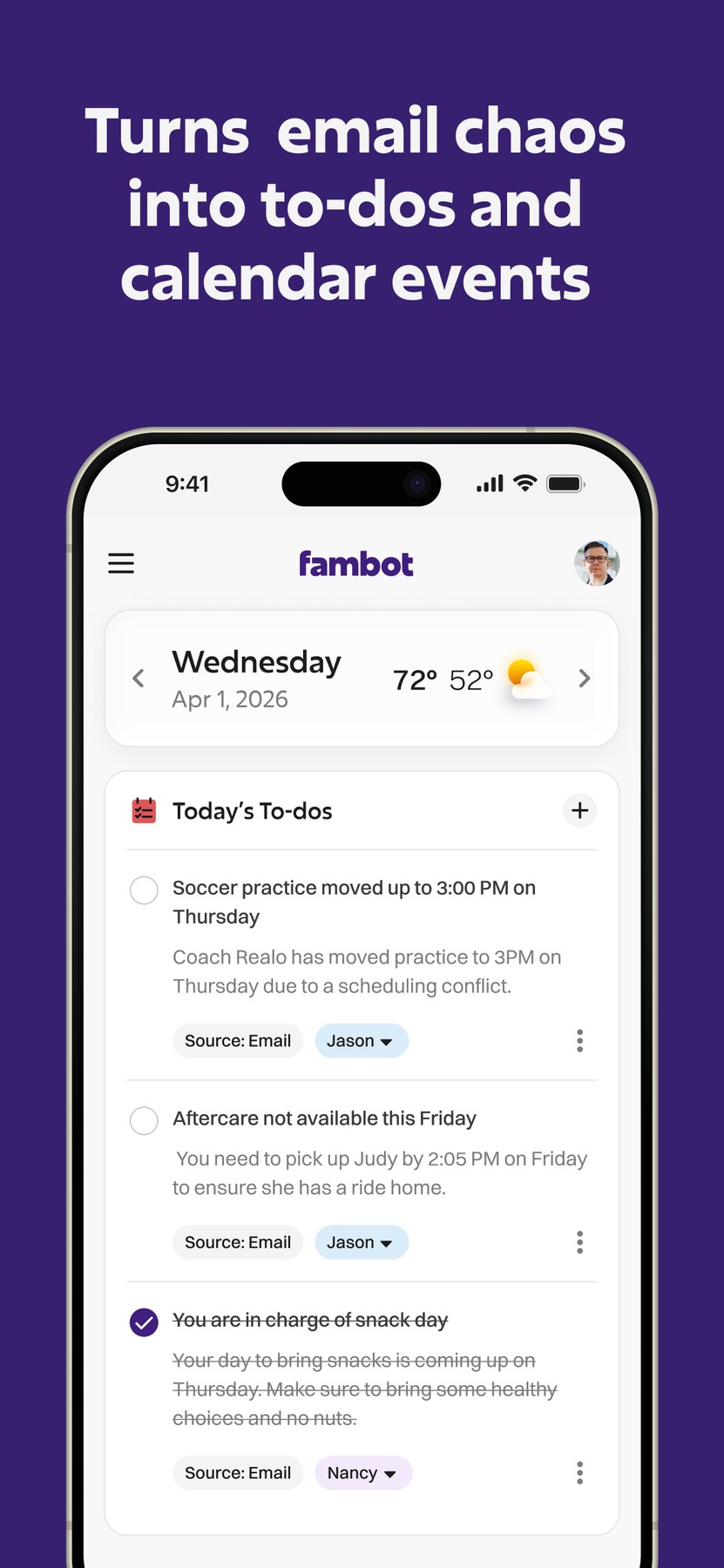
Setup means handing over email, calendar and the relevant WhatsApp groups. After that Fambot proposes a task list each day and surfaces what is about to land on the calendar. Several different AI models run inside the app, and the company says none of them can train on user data.
The strategic choice is that Fambot is not a chat product. Poke and Instinct, the assistants it names as comparisons, live in a message thread. Fambot expects people to want a website and an ordinary mobile app, on the reasoning that a real interface can hold features a text conversation cannot. You can still message it — ask a question, request an update — but the messaging is a surface, not the product. Over time the team plans to connect more of the apps that schools, sports programs, groups and clubs already run on, and to turn Fambot into a single hub for family communication about children.
Source: techcrunch.com
The market Reich points at is 43 million US households with children under 16. His argument is that these families are underserved, and that the useful thing an assistant can do is tell them what is coming before it arrives, while there is still time to prepare.
More than 1,000 families used Fambot before launch. The company says the testing turned up something it did not expect: interest was not concentrated in large households with two working parents. Single-child families, single-parent families and families where the parents do not work outside the home all showed up. The team concluded the product is not for the busiest households specifically but for households with children generally.
That conclusion deserves more skepticism than it is getting. A beta cohort self-selects for people who already wanted this, and "everyone with kids" is the kind of total addressable market that reads well in a pre-seed deck and badly in a retention chart. The sharper reading of the same data is that Fambot has not yet found who it is for.
The harder issue is that Fambot's difficulty is not intelligence, it is ingestion. Reading a calendar is solved. Parsing a WhatsApp group where twelve parents argue about a carpool is not, and the paper flyer that the company names as part of the problem goes unaddressed in the product as described. Every integration Fambot promises to add — school portals, club apps, league software — is a separate, unglamorous, permanently maintained connection to a vendor with no reason to cooperate. That work is what $3.5 million buys, and it is also what a larger assistant company could do later with a fraction of the effort, since it would already hold the email.
Two things are conspicuously not in the announcement. The company says its models cannot train on user data, which is a statement about training and not about retention, access or what happens to a family's messages when a model runs in someone else's data center. And the pricing plan — roughly a Netflix subscription, subject to change — is stated without what it buys: per family, per parent, per child, with which integrations.
The free beta is the easy part. Fambot's actual test starts when a school switches portals mid-year, a coach moves practice in a WhatsApp thread at 10pm, and a parent who has stopped reading their own inbox finds out the hard way whether the assistant caught it.