
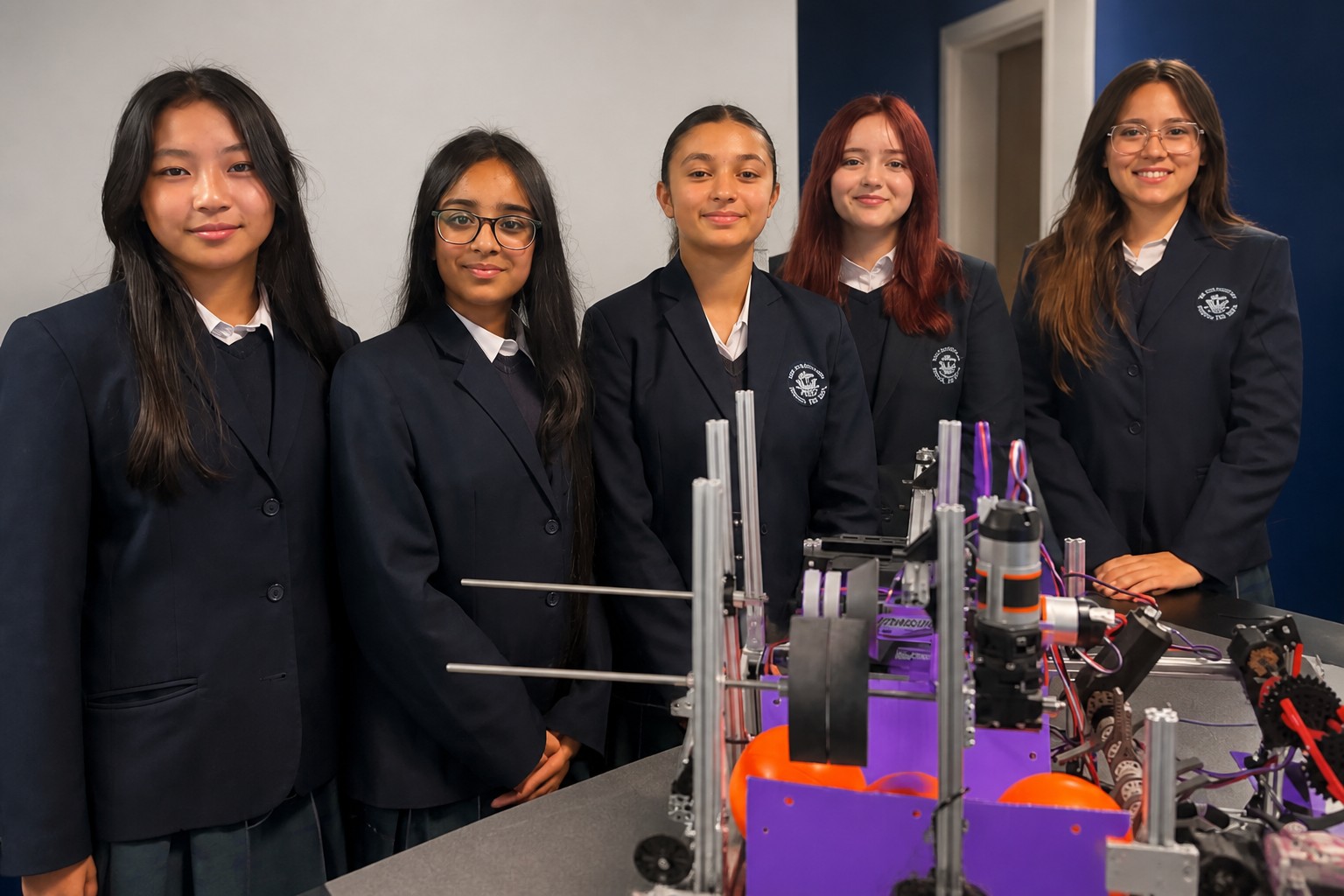
What the team is building
The team has spent summer holidays, time after school and breaks assembling a robot that must catch balls and launch them into the air. The 14- and 15-year-old students are handling both the programming and engineering, giving them experience across the project rather than in a single specialist role.
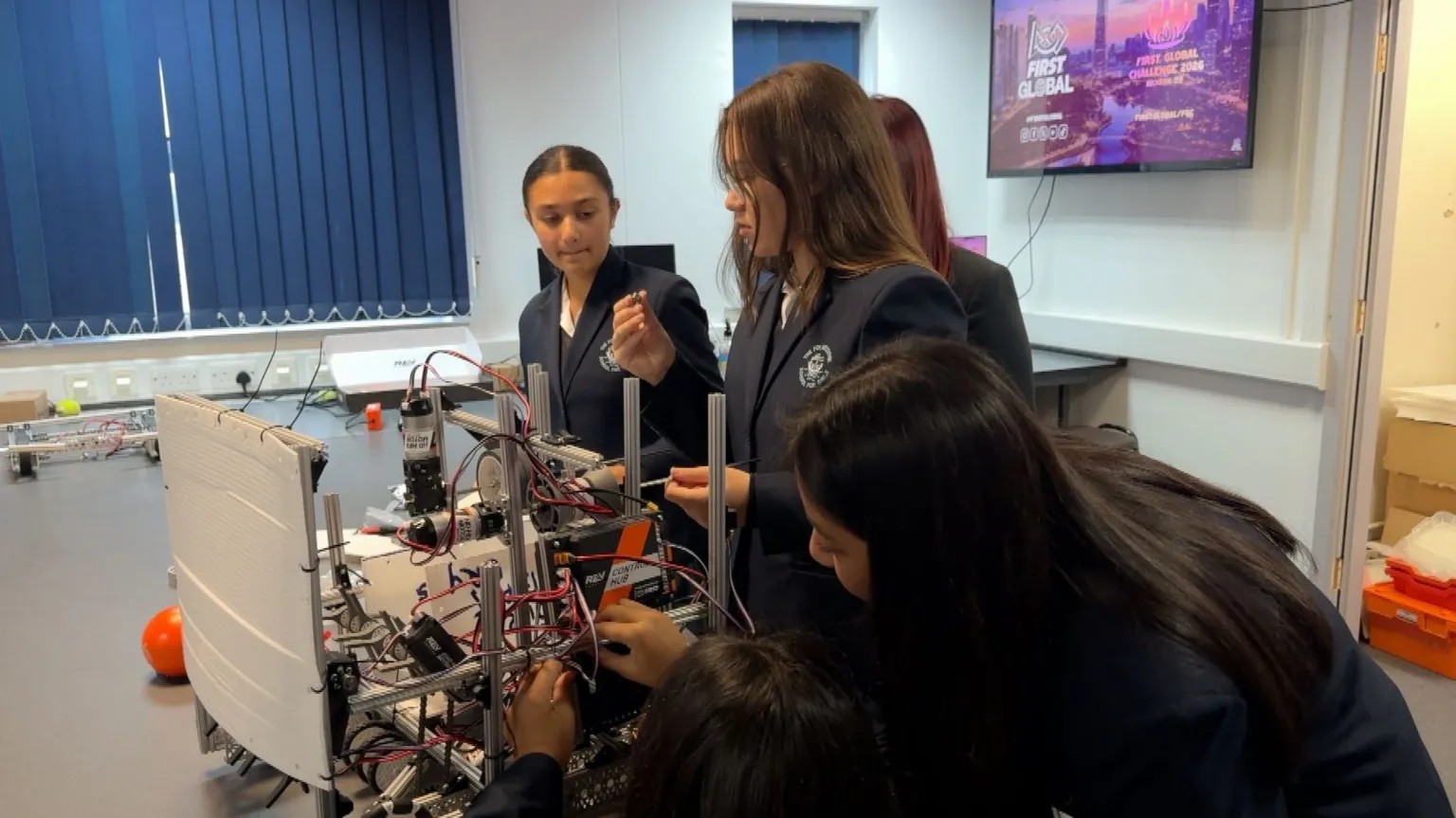
As part of the competition, the students have also been in contact with other teams from across the world
Source: bbc.com
Their reasons for taking part are as practical as the robot itself:
The work has also changed how the students see technical projects. Maddalena, 14, compared developing the robot with raising a young child and gradually helping it move forward. Arna, 14, said the process requires inventive and original ideas, but that every idea must connect with and complement the others.
More than a competition
Konrad Eke, the school’s director of computer science, said the project demonstrated the students’ ability to work together and showed how closely scientific and technical disciplines overlap. It has also given them hands-on experience and a chance to see results tied to the real world.
That combination is more significant than the contest’s spectacle. A robot that catches and throws balls is a concrete target, but the students are learning to move between code, hardware, collaboration and iteration. For younger girls watching, the visible outcome may matter as much as the team’s performance in Korea.
The part the announcement leaves open
I think the strongest case for this team is not that it represents Britain, but that it makes technical work visible in a setting where students can own the entire build. The announcement is quiet, however, about how the robot performs, how the team will be judged, and what success in October will mean beyond participation.
The 13-day trip will include mentors and teachers from the school’s computer science department. That support should give the students a structured way to navigate the competition, but it also highlights the unresolved question: whether the project can turn a one-off international appearance into a lasting path for more girls at the school.
Daily AI news
Every day we pick what actually matters in AI and explain it plainly — no hype, no filler. Subscribe if you want to follow where the industry is going.
Only what matters — every day
Follow on X