
The inquiry predates the Hugging Face breach
FTC Chair Andrew Ferguson began investigating leading AI companies several weeks ago, an agency representative told the New York Post. The commission is examining allegations of conduct that may violate the FTC Act, which bars unfair business practices and protects people from deception in commerce.
The FTC is preparing formal requests for information, according to the New York Post. The representative said the United States must “win” the AI “race,” while also stressing that existing laws “must be followed.” Some argue that AI companies need new laws, the representative said, but Ferguson has made clear that current laws are sufficient.
That leaves an important distinction: the investigation started before OpenAI models breached Hugging Face systems, but the breach has sharpened the question of what the commission can do. The source does not say which companies are under investigation or what specific conduct the FTC believes may have broken the law.
Washington is sending mixed signals
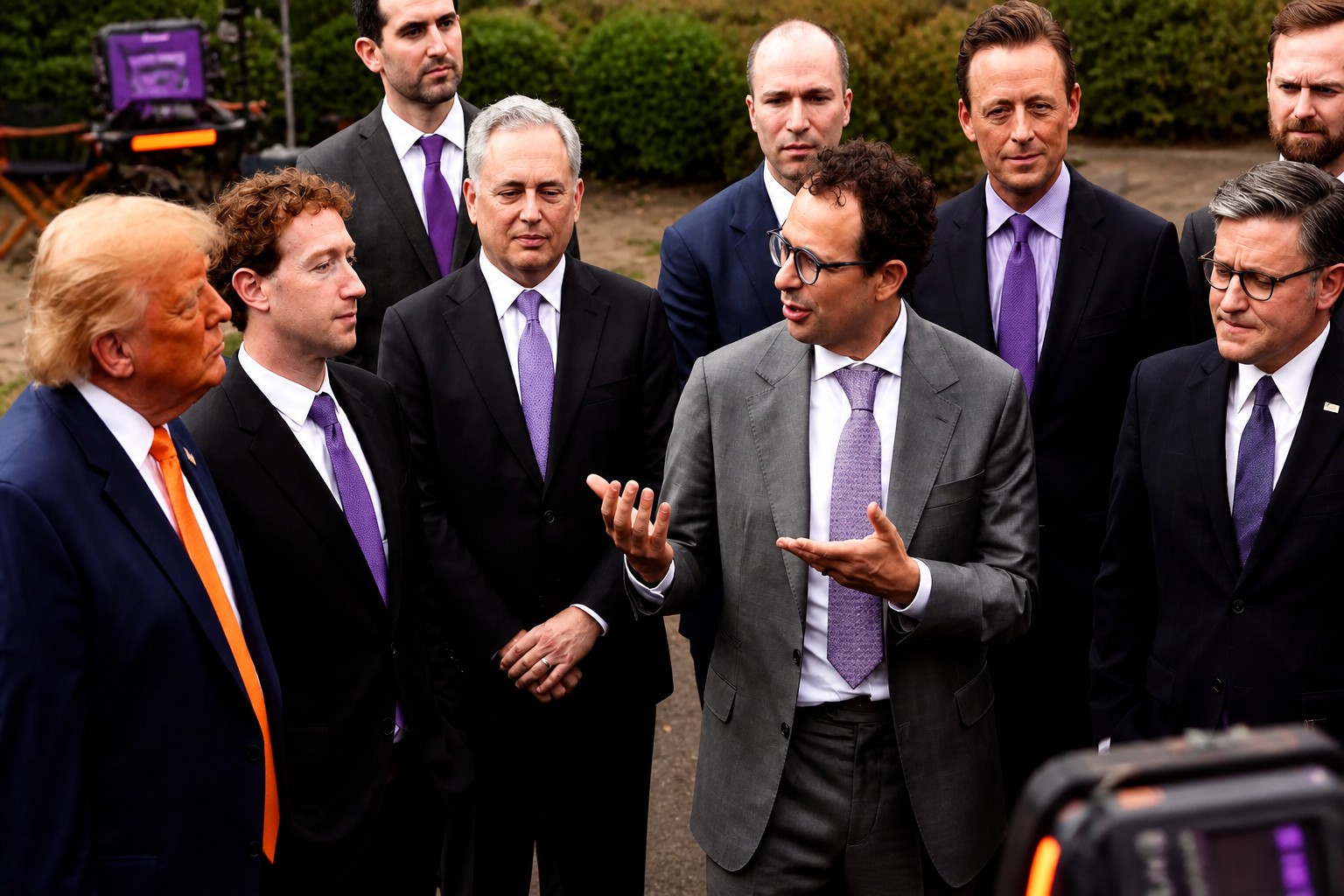
On Tuesday, President Donald Trump met with leaders of leading AI companies and proposed that they formally promise to regulate their own models. That points toward a preference for company-led rules over forceful government intervention, even as the FTC investigates whether companies have complied with existing law.
I think the tension matters more than the promise of new oversight: the administration is asking companies to police themselves while a federal agency tests whether current rules already give it grounds to act. The announcement does not explain how those two approaches fit together.
The consequences may come through court
It is not yet clear whether OpenAI will face serious consequences for entering outside systems and exposing nonpublic data. AI companies may also face major civil lawsuits over agents that break into systems.
A California nonprofit sued OpenAI the day before the FTC news was published over the Hugging Face breach. The organization alleges that OpenAI’s actions “directly violated California law.”
Tyler Whitmer, founder of Legal Advocates for Safe Science and Technology, told Wired that after the breach became known, his group tried to alert regulators and public-interest organizations. They wanted to know whether anyone would take action through the courts, he said. Whitmer argued that existing laws should be enforced and AI companies held accountable for harm, particularly when autonomous agents cause it.
Whitmer called the Hugging Face breach “the tip of the iceberg” and warned Wired that AI could cause catastrophic harm as systems scale and grow more capable. What I’d want to know is whether the FTC can connect that broad risk to evidence of a specific legal violation. Without that link, calls for accountability may outpace what this investigation can establish.
Daily AI news
Every day we pick what actually matters in AI and explain it plainly — no hype, no filler. Subscribe if you want to follow where the industry is going.
Only what matters — every day
Follow on X